
In this article
Distinctive Features of Queso del País
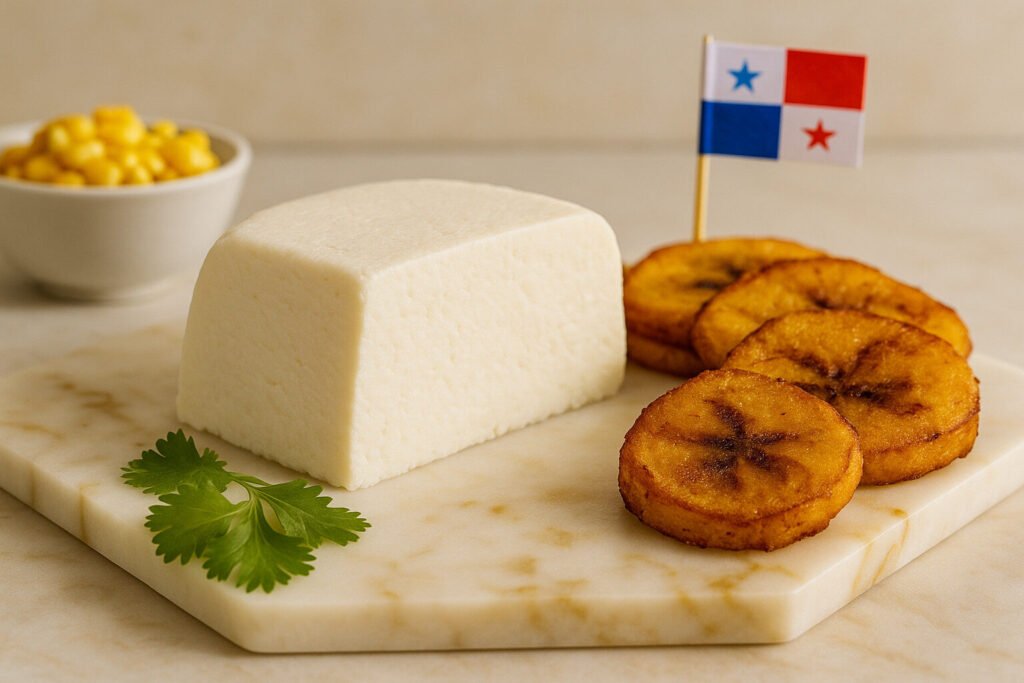
Queso del País typically comes in small, round wheels or blocks weighing between 200 grams and 1 kilogram. It has a pure white color and a smooth, slightly moist surface that feels firm yet yielding to the touch. The texture is soft and crumbly, making it easy to slice or crumble over dishes.
This cheese has a high humidity content, usually around 50-60%, which contributes to its fresh and milky consistency. It lacks a developed rind, often being consumed young without extensive aging. The flavor profile is mild and lightly salted, with a clean, lactic finish that does not overpower other ingredients.
Cheese Varieties of Queso del País
In Panama, Queso del País sees regional adaptations that reflect local tastes and available resources. Some producers in the Azuero Peninsula add a touch of annatto for a subtle yellow hue and earthy note. Other varieties might incorporate herbs like cilantro or regional spices for enhanced flavor in home kitchens.
Another common variation includes Queso del País with higher salt content for longer shelf life in humid climates. In urban areas, you might find lower-fat versions using partially skimmed milk. These adaptations maintain the cheese’s essential character while catering to diverse culinary preferences across the country.
History and Traditions of Queso del País
Queso del País has deep roots in Panama’s rural farming traditions, dating back to Spanish colonial times when dairy farming spread across the isthmus. Families in the interior provinces like Chiriquí and Veraguas produced this cheese as a way to preserve surplus milk. It became a staple protein source in campesino households, often eaten with tortillas or rice.
The region is also famous for its robust coffee production and tropical fruits like mangoes and pineapples. Queso del País features prominently in Panamanian festivals, such as patron saint days, where it is served in traditional dishes like sancocho or hojaldres. Stories tell of grandmothers passing down cheese-making techniques, ensuring the craft endures through generations.
Production Process and Producers
Queso del País is made primarily from fresh, pasteurized cow’s milk sourced from local Panamanian dairy farms. The milk is warmed to about 30-35°C before adding rennet and sometimes a mesophilic starter culture to initiate coagulation. After curdling, the curds are cut, drained, and lightly pressed into molds, then salted and packaged for quick consumption with minimal aging.
Major producers of Queso del País in Panama include small-scale dairies and cooperatives such as Productos Lácteos de Chiriquí, Quesos La Vaquita, and Finca Santa Marta. These producers emphasize traditional methods, often supplying markets and stores nationwide. The cheese is typically ready within 24 to 48 hours, highlighting its fresh, artisanal nature.
Quality Labels and Certifications
As to our current knowledge, Queso del País does not hold specific protected designations of origin or geographical indications in Panama. However, many producers adhere to national food safety standards set by the Panamanian Food Safety Authority (AUPSA). These regulations ensure hygiene and quality in production facilities, though the cheese remains largely artisanal without formal certification labels.
Some smaller dairies may use informal “hecho en Panama” (made in Panama) labels to emphasize local origin. There is no widespread organic or sustainability certification for Queso del País, but traditional methods often align with natural practices. Consumers typically rely on brand reputation and fresh appearance when selecting this cheese.
Wine or Beverage Pairings
Queso del País pairs wonderfully with light, crisp white wines such as Sauvignon Blanc or Verdejo from Spain. Its mild flavor also complements Panamanian beverages like seco, a local sugarcane liquor, or light lagers such as Panama Beer. For non-alcoholic options, try it with fresh coconut water or citrus-based aguas frescas to enhance its creamy texture.
Regional pairings include Chilean Carménère or Argentine Torrontés, which balance the cheese’s saltiness without overwhelming it. Internationally, a dry cider or prosecco can cut through the richness. Always serve beverages slightly chilled to contrast the cheese’s soft consistency and elevate the tasting experience.
Suitable Fruit and Vegetables
Queso del País excels with tropical fruits like sliced mango, pineapple, or papaya, which add sweetness and acidity. It also pairs well with fried plantains or yuca, common in Panamanian sides. The cheese’s mildness allows the natural flavors of the fruits to shine through in every bite.
Fresh vegetables such as tomatoes, cucumbers, and avocados make excellent companions, especially in salads. Roasted bell peppers or corn on the cob provide a smoky contrast. Incorporate these into dishes to create balanced, refreshing plates that highlight the versatility of Queso del País.
Suitable Meat and Fish Dishes
Queso del País is ideal with grilled chicken or pork, where it can be crumbled over the top as a finishing touch. It melts beautifully in empanadas or stuffed into beef patties for added moisture. The cheese’s saltiness enhances the savory notes of meats without dominating the dish.
For fish, try it with fried corvina or shrimp ceviche, common in coastal Panamanian cuisine. It can be used in seafood stews to thicken and enrich the broth. Queso del País also works well in dishes like ropa vieja or as a topping for fish tacos, providing a creamy element that complements the protein.
Presentation of Queso del País
Present Queso del País on a wooden or ceramic plate to showcase its rustic appeal. Remove it from the refrigerator about 30 minutes before serving to reach an ideal temperature of 15-18°C. This allows the cheese to soften slightly, enhancing its aroma and texture for the best eating experience.
Arrange slices or cubes alongside accompaniments like crackers, bread, or fruits for visual appeal. Use a cheese knife for cutting and a small fork for serving. For eating, provide standard dining utensils, as Queso del País is often incorporated into meals rather than eaten alone.
Questions and Answers about Queso del País
How should I store Queso del País?
Store Queso del País in the refrigerator wrapped in parchment paper or in an airtight container. Keep it away from strong odors to maintain its mild flavor. Proper storage ensures Queso del País stays fresh for up to one week.
Can I freeze Queso del País?
Freezing Queso del País is not recommended as it can alter its texture and make it crumbly. Thawed Queso del País may lose some moisture and flavor integrity. It is best enjoyed fresh for optimal quality.
Where can I buy Queso del País outside Panama?
You can buy Queso del País in Latin American grocery stores or online specialty shops that import Panamanian products. Look for brands that prioritize freshness when purchasing Queso del País. Some international markets may carry similar fresh cheeses as alternatives.
What is the shelf life of Queso del País?
The shelf life of Queso del País is typically 5 to 7 days when refrigerated properly. Always check the expiration date on the packaging for Queso del País. Consume it quickly to enjoy its peak freshness and flavor.
How do I cut Queso del País for serving?
Cut Queso del País into slices or cubes using a sharp knife for even portions. For crumbles, use a fork or your fingers to break it apart. This method works well for salads or garnishes with Queso del País.
Can I use Queso del País in cooking?
Yes, Queso del País is excellent for cooking and melts nicely in warm dishes. It adds creaminess to sauces, stuffings, and baked goods. Incorporate Queso del País into recipes like pastelitos or soups for authentic Panamanian flavor.
Is Queso del País suitable for vegetarians?
Queso del País is suitable for vegetarians if made with microbial rennet, but check labels as some versions use animal rennet. Many producers in Panama use vegetable-based coagulants for Queso del País. Always verify ingredients if dietary restrictions apply.
What milk is used in Queso del País?
Queso del País is primarily made from cow’s milk, which gives it a mild and creamy profile. Some artisanal versions might use raw milk, but most commercial Queso del País uses pasteurized milk for safety. The fat content typically ranges from 20-25% in dry matter.
How is Queso del País different from other fresh cheeses?
Queso del País distinguishes itself with its specific texture and salt level tailored to Panamanian tastes. Unlike Mexican queso fresco, Queso del País often has a softer consistency and less acidity. Its production methods reflect local traditions unique to Panama.
What dishes commonly feature Queso del País?
Queso del País is commonly used in Panamanian dishes like tortillas, empanadas, and breakfast plates with eggs. It also appears in sancocho, a traditional soup, and as a topping for arepas. Queso del País adds a creamy element to many local recipes.
Recipe Ideas
Queso del País Empanadas
These empanadas are a popular street food in Panama, featuring Queso del País as the star ingredient. The cheese melts beautifully inside a crispy pastry, offering a savory treat perfect for snacks or parties. This recipe captures the authentic flavors of Panamanian cuisine with simple, accessible ingredients.
You can customize the filling by adding herbs or other cheeses, but Queso del País provides the ideal creamy base. Serve them hot with a side of spicy salsa or avocado dip for extra zest. They are easy to make and sure to be a hit with family and friends.
- 250 grams Queso del País, crumbled
- 1 package empanada dough discs (about 10 pieces)
- 1 small onion, finely chopped
- 2 tablespoons vegetable oil
- 1 teaspoon dried oregano
- Salt and pepper to taste
- 1 egg, beaten (for egg wash)
- Preheat oven to 190°C and line a baking sheet with parchment paper.
- Heat oil in a pan over medium heat and sauté onion until soft, about 5 minutes.
- Mix sautéed onion with crumbled Queso del País, oregano, salt, and pepper in a bowl.
- Place a spoonful of filling in the center of each empanada disc.
- Fold dough over filling, seal edges with a fork, and brush with egg wash.
- Bake for 15-20 minutes until golden brown. Serve warm.
Queso del País and Plantain Salad
This refreshing salad combines the creaminess of Queso del País with the sweetness of fried plantains, a classic Panamanian combination. It makes for a light lunch or side dish that highlights tropical flavors. The contrast between the salty cheese and caramelized plantains creates a delightful balance.
You can prepare this salad ahead of time for picnics or gatherings. It pairs well with grilled meats or can stand alone as a vegetarian option. The ingredients are readily available in most markets, making it an easy addition to your recipe repertoire.
- 200 grams Queso del País, cubed
- 2 ripe plantains, sliced into rounds
- 1 tablespoon olive oil
- 1 lime, juiced
- 1 small red onion, thinly sliced
- Fresh cilantro, chopped
- Salt to taste
- Heat olive oil in a skillet over medium heat and fry plantain slices until golden, about 3-4 minutes per side. Drain on paper towels.
- In a large bowl, combine fried plantains, cubed Queso del País, red onion, and cilantro.
- Drizzle with lime juice and toss gently to coat.
- Season with salt to taste and let sit for 5 minutes to meld flavors.
- Serve immediately as a side or top with extra Queso del País crumbles if desired.
Similar Cheeses and Alternatives
If Queso del País is unavailable, queso fresco from Mexico or Colombia serves as a close substitute due to its similar texture and mild flavor. Other alternatives include feta cheese, though it is saltier, or fresh mozzarella for its soft consistency. In Panama, some might use queso blanco or even homemade farmer’s cheese in recipes calling for Queso del País.
For those seeking international options, Greek anthotyros or Indian paneer can work in cooked dishes, but they may lack the specific salt profile. Always consider the dish’s requirements when substituting to maintain the intended taste and texture. Exploring these alternatives can introduce new dimensions to traditional Panamanian recipes.