
In this article
Distinctive Features of Svrljiški beli sir
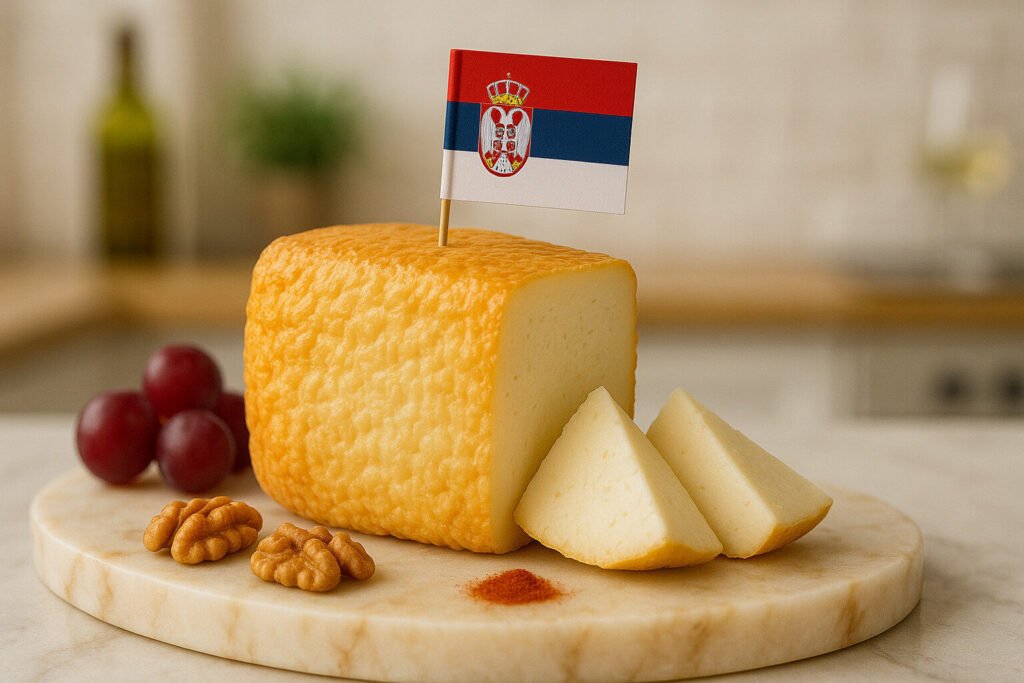
Svrljiški beli sir typically forms in small wheels or blocks weighing about 1 to 2 kilograms. Its bright white color comes from the high-quality sheep’s milk and absence of artificial coloring. The cheese has a moist, crumbly consistency with a smooth, slightly grainy texture that melts on the tongue.
This cheese contains approximately 45% fat in dry matter, giving it a rich, creamy mouthfeel. It maintains high humidity levels, around 50%, which contributes to its fresh, spreadable quality. The rind is minimal or nonexistent due to the brining process, allowing the pure flavors to shine through.
Svrljiški beli sir Varieties
Traditional Svrljiški beli sir remains consistent, but minor variations exist based on aging time. Fresh versions age for 20 to 30 days and retain a mild, milky flavor. Longer-aged varieties, up to 60 days, develop a sharper, more pronounced saltiness and firmer texture.
Some local producers experiment with added herbs like thyme or paprika for flavored editions. These adaptations maintain the core cheese characteristics while offering subtle aromatic notes. However, the PDO regulations ensure that the classic sheep’s milk recipe dominates the market.
History and Traditions of Svrljiški beli sir
Svrljiški beli sir originated in the Svrljig region of southeastern Serbia, where sheep farming has thrived for centuries. Local shepherds developed this cheese to preserve surplus milk during lush grazing seasons. The area’s mountainous terrain and clean air contribute to the unique milk quality essential for this cheese.
The Svrljig region is also famous for its rakija production and traditional smoked meats. Families often serve Svrljiški beli sir at celebrations like slava, a Serbian patron saint day. This cheese symbolizes rural heritage and is a staple in many household meals across Serbia.
Production Process and Producers
Svrljiški beli sir uses raw or pasteurized sheep’s milk from local breeds like Pramenka. The milk is warmed to 32°C and coagulated with natural rennet for about an hour. Workers then cut the curd, drain the whey, and press the cheese into molds before brining it in salt solution for several weeks.
Ripening occurs in cool, humid cellars for 20 to 60 days, depending on the desired intensity. Main producers include Mlekara Svrljig, Sirana Svrljig, and several artisanal farms in the Svrljig municipality. These producers adhere to traditional methods to maintain the cheese’s authentic profile.
Quality Labels and Certifications
As to our current knowledge, Svrljiški beli sir holds a Protected Designation of Origin (PDO) in Serbia. This certification ensures that the cheese is produced, processed, and prepared in the Svrljig region using traditional techniques. The PDO status guarantees authenticity and protects the cheese’s name from imitation.
Some producers may also pursue organic certifications, though this is not universal. These labels verify that the sheep are raised without synthetic additives and graze on natural pastures. Such efforts enhance the cheese’s appeal to health-conscious consumers and gourmet markets.
Wine or Beverage Pairings
Local Serbian white wines like Žilavka or Tamjanika complement Svrljiški beli sir beautifully. Their crisp acidity and floral notes balance the cheese’s saltiness and richness. These regional pairings highlight the terroir connections between the cheese and local viticulture.
For non-alcoholic options, try pairing with mineral water or traditional Serbian boza. The slight sweetness of boza contrasts nicely with the tangy cheese. International wines such as Sauvignon Blanc or light rosés also work well due to their refreshing profiles.
Suitable Fruit and Vegetables
Fresh tomatoes and cucumbers pair excellently with Svrljiški beli sir, adding juiciness and crunch. Bell peppers and olives enhance the Mediterranean feel of the cheese platter. These vegetables provide a refreshing contrast to the cheese’s creamy texture.
Fruits like figs, grapes, and apples offer a sweet counterpoint to the salty cheese. Their natural sugars mellow the briny notes of Svrljiški beli sir. Pears and melons also work well, contributing subtle flavors that do not overpower the cheese.
Suitable Meat and Fish dishes
Svrljiški beli sir crumbles perfectly over grilled meats such as ćevapi or pljeskavica. It adds a creamy, salty dimension to these traditional Serbian dishes. The cheese melts slightly when warmed, enriching the meat’s flavors.
For fish, try incorporating Svrljiški beli sir into baked trout or salmon recipes. Its saltiness enhances the delicate taste of freshwater fish. The cheese can also be used in seafood salads or stuffed into peppers for a balanced meal.
Presentation of Svrljiški beli sir
Serve Svrljiški beli sir on a wooden or ceramic plate to emphasize its artisanal nature. Remove the cheese from the refrigerator 30 minutes before serving to reach an ideal temperature of 15°C to 18°C. This allows the flavors to fully develop and the texture to soften.
Arrange the cheese in irregular chunks or slices alongside accompaniments like bread and olives. Use a cheese knife for cutting and a small fork for serving. Provide separate utensils for each guest to maintain hygiene and ease of eating.
Questions and Answers about Svrljiški beli sir
How should I store Svrljiški beli sir?
Store Svrljiški beli sir in its original brine or wrapped in parchment paper in the refrigerator. Keep it at 4°C to 8°C to maintain freshness. Proper storage ensures Svrljiški beli sir stays moist and flavorful for up to three weeks.
Can I freeze Svrljiški beli sir?
Freezing Svrljiški beli sir is not recommended as it alters the texture and causes crumbiness. Thawing may make Svrljiški beli sir watery and less appealing. For best quality, consume Svrljiški beli sir fresh or refrigerated.
What is the shelf life of Svrljiški beli sir?
Svrljiški beli sir typically lasts two to three weeks when stored correctly in the fridge. Always check for off smells or mold before eating Svrljiški beli sir. The PDO version often has a longer shelf life due to strict production standards.
Where can I buy Svrljiški beli sir?
You can buy Svrljiški beli sir in Serbian specialty stores, farmers’ markets, or online retailers. Look for the PDO label to ensure authenticity when purchasing Svrljiški beli sir. Many European gourmet shops also stock this cheese.
How do I cut Svrljiški beli sir?
Use a sharp knife to cut Svrljiški beli sir into cubes or slices, depending on your dish. For serving, crumble Svrljiški beli sir with your hands for a rustic presentation. Avoid using a wire cutter as it may mash the soft texture of Svrljiški beli sir.
Is Svrljiški beli sir suitable for cooking?
Yes, Svrljiški beli sir is excellent for cooking in salads, pastries, and hot dishes. It melts gently and adds saltiness to recipes featuring Svrljiški beli sir. Traditional Serbian pies often include this cheese as a key ingredient.
What milk is used in Svrljiški beli sir?
Svrljiški beli sir is made exclusively from sheep’s milk, which gives it a distinctive flavor. The milk comes from local breeds reared in the Svrljig region. This ensures Svrljiški beli sir has its characteristic richness and texture.
Can lactose-intolerant people eat Svrljiški beli sir?
Svrljiški beli sir has lower lactose levels due to the fermentation process. However, those with severe lactose intolerance should consume Svrljiški beli sir in small amounts. Always consult a doctor if unsure about eating Svrljiški beli sir.
How is Svrljiški beli sir different from feta?
Svrljiški beli sir is similar to feta but has a Protected Designation of Origin specific to Serbia. It often has a milder, less salty taste compared to Greek feta. The sheep’s milk in Svrljiški beli sir provides a unique terroir-driven flavor.
What dishes feature Svrljiški beli sir?
Svrljiški beli sir appears in Serbian salads, baked goods, and as a table cheese. It is commonly used in shopska salad and gibanica pastry. Many chefs crumble Svrljiški beli sir over grilled vegetables for added depth.
Recipe Ideas
Svrljiški beli sir and Tomato Salad
This refreshing salad highlights the creamy saltiness of Svrljiški beli sir with ripe tomatoes. It is a classic Serbian summer dish that requires minimal preparation. The combination of fresh vegetables and cheese makes it a perfect light meal or side dish.
You can serve this salad immediately after assembling to maintain the crispness of the ingredients. It pairs well with crusty bread and a glass of white wine. This recipe showcases how Svrljiški beli sir enhances simple, quality produce.
- 200 grams Svrljiški beli sir, crumbled
- 4 medium tomatoes, sliced
- 1 cucumber, diced
- 1 red onion, thinly sliced
- 2 tablespoons olive oil
- 1 tablespoon fresh parsley, chopped
- Salt and pepper to taste
- Wash and prepare all vegetables, placing them in a large bowl.
- Add the crumbled Svrljiški beli sir to the bowl.
- Drizzle with olive oil and season with salt and pepper.
- Toss gently to combine all ingredients.
- Sprinkle with fresh parsley before serving.
Baked Svrljiški beli sir with Herbs
This warm, appetizing dish brings out the melting qualities of Svrljiški beli sir. It is ideal for entertaining or as a cozy family dinner. The herbs infuse the cheese with aromatic flavors that complement its natural tang.
Baking Svrljiški beli sir creates a gooey center with a lightly browned top. Serve it straight from the oven with bread or crackers for dipping. This recipe demonstrates the versatility of Svrljiški beli sir in hot preparations.
- 250 grams Svrljiški beli sir, cut into cubes
- 2 cloves garlic, minced
- 1 teaspoon dried oregano
- 1 teaspoon thyme
- 2 tablespoons olive oil
- Fresh bread for serving
- Preheat the oven to 180°C.
- Place the Svrljiški beli sir cubes in a small baking dish.
- Mix garlic, oregano, thyme, and olive oil, then drizzle over the cheese.
- Bake for 10-15 minutes until the cheese is bubbly and golden.
- Serve immediately with fresh bread on the side.
Similar Cheeses and Alternatives
Feta cheese from Greece shares many characteristics with Svrljiški beli sir, such as its brined preparation and crumbly texture. Bulgarian sirene is another close alternative, often made from sheep’s or cow’s milk with a similar salty profile. These cheeses can substitute in recipes if Svrljiški beli sir is unavailable.
Within Serbia, consider Homoljski sir or Zlatarski sir as local alternatives that also use sheep’s milk. These cheeses may have slight variations in aging or flavor but maintain the regional tradition. For a milder option, French fromage blanc offers a fresh, soft texture without the brining.