
Datshi Cheese from Bhutan – A Culinary Treasure
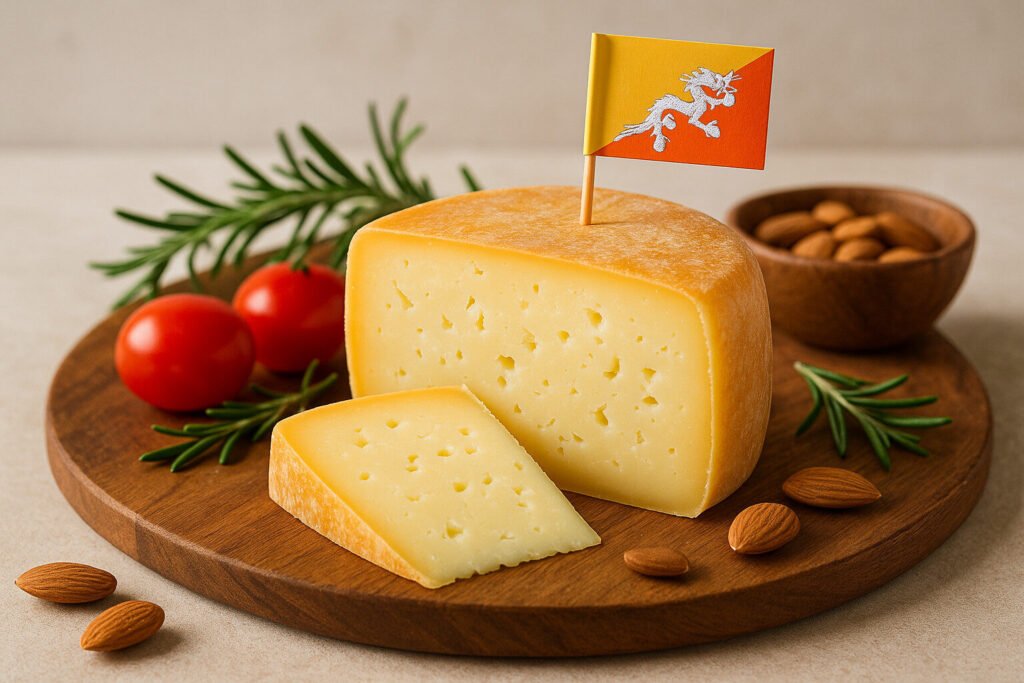
Discover Datshi, Bhutan’s beloved cheese dish. Creamy, spicy, and a staple of Bhutanese cuisine. Perfect with red rice.
Datshi Cheese from Bhutan – A Culinary Treasure Read More »
Acidic profile refers to the measurable presence of lactic, acetic, and other organic acids in cheese. This characteristic directly influences pH levels, typically ranging from 4.5 to 5.9 across cheese varieties. The profile is a fundamental classification parameter in cheese taxonomy, distinguishing fresh, high-acid cheeses from aged, low-acid varieties.
Acidity develops primarily during the initial fermentation stage when lactose converts to lactic acid. Controlled acidification governs texture development, moisture expulsion, and microbial safety. The final acidic profile determines cheese solubility, melt properties, and overall shelf stability against spoilage organisms.
Cheesemakers manipulate acidic profiles through starter culture selection, fermentation temperature, and curd handling methods. Mesophilic cultures produce milder lactic acid, while thermophilic cultures create sharper, more complex acidity. Direct acidification using food-grade acids bypasses bacterial fermentation for specific industrial applications.
Curd washing techniques reduce final acidity by replacing whey with water during manufacturing. Extended draining times and lower scald temperatures preserve more lactose for continued acid development. Salt timing and quantity provide additional control over acidification rates and final pH stabilization.
High-acid cheeses present bright, tangy notes ranging from lemony freshness to sharp vinegar tones. Fresh chèvre and feta exemplify pronounced acidic profiles with clean, piercing sensations. These cheeses often lack complex flavor development beyond their dominant acidic character.
Moderate acidity balances salty, savory, and buttery notes in semi-hard cheeses like Gouda and Cheddar. Low-acid cheeses develop earthy, nutty flavors through prolonged aging, as seen in Parmigiano-Reggiano. The acidic profile directly affects perceived saltiness and overall flavor intensity perception.
High-acid cheeses provide contrast in rich dishes and cut through fatty components effectively. Crumbled feta enhances Mediterranean salads, while fresh ricotta balances sweet pastry fillings. Their moisture content and solubility make them ideal for creamy sauces and dips requiring bright flavor accents.
Moderate-acid melting cheeses create superior texture in cooked applications without curdling or oil separation. Low-acid grating cheeses maintain structural integrity when heated, developing concentrated umami flavors. Acidic profile determines cheese behavior in various thermal preparation methods.
French Chèvre showcases high acidity through traditional goat milk fermentation techniques. Greek Feta maintains sharp acidic character via brine-aging methods that preserve tanginess. These Mediterranean cheeses exemplify how local production methods create distinctive acidic signatures.
Dutch Gouda demonstrates controlled moderate acidity achieved through curd washing traditions. Italian Parmigiano-Reggiano represents minimal acidity development through extended aging in specific humidity conditions. These regional specialties illustrate how acidic profiles define protected designation of origin cheeses.
Discover Datshi, Bhutan’s beloved cheese dish. Creamy, spicy, and a staple of Bhutanese cuisine. Perfect with red rice.
Datshi Cheese from Bhutan – A Culinary Treasure Read More »

Discover Ghana’s Palm cheese: a unique, traditional cheese with a rich, savory flavor. Perfect for adventurous food lovers.
Palm Cheese from Ghana: A Unique West African Delicacy Read More »