
Queso Costeño: Traditional Colombian Cheese
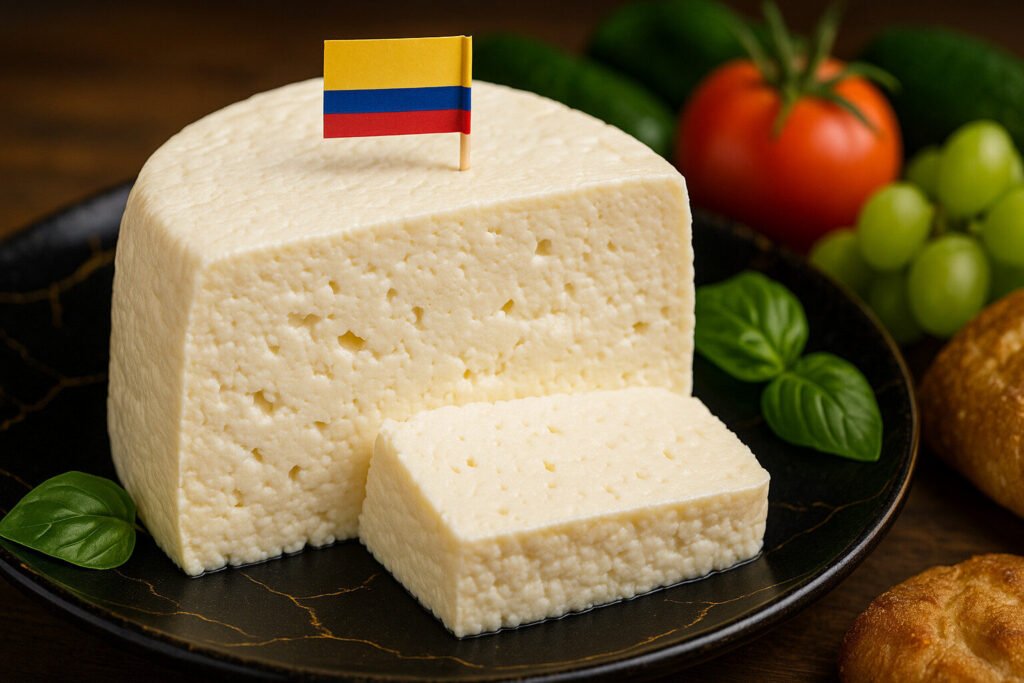
Discover Queso Costeño, a traditional Colombian cheese known for its salty flavor and firm texture. Perfect for grilling or frying.
Queso Costeño: Traditional Colombian Cheese Read More »
Caribbean Coast cheese refers to dairy products originating from coastal regions bordering the Caribbean Sea. These cheeses incorporate local ingredients and reflect cultural influences from indigenous, African, and European traditions. The category includes fresh, soft-ripened, and semi-hard varieties adapted to tropical climates.
Production spans multiple nations including Jamaica, Dominican Republic, and coastal Venezuela. Many cheeses in this group utilize cow’s milk, though some incorporate goat or water buffalo milk. They typically feature higher moisture content and pronounced salt levels as preservation methods in warm environments.
Traditional Caribbean Coast cheesemaking often employs acid-coagulation rather than rennet-based curdling. Local producers frequently use tropical fruit enzymes like papain from papaya as coagulating agents. The process typically involves quick draining and minimal aging due to climatic constraints.
Many varieties undergo brining or dry-salting for preservation and flavor development. Some producers incorporate coconut ash or annatto for coloring and flavor. The humid conditions necessitate careful moisture control during the brief aging period, which rarely exceeds several weeks.
Caribbean Coast cheeses generally present bright, acidic notes with noticeable saltiness. Textures range from crumbly and moist to semi-firm depending on aging duration. Common flavor elements include milky freshness with occasional herbaceous or fermented undertones.
Many varieties develop subtle tropical fruit notes from native coagulants. The salinity often dominates the palate, balanced by lactic acidity. Some smoked versions exhibit woody characteristics from local hardwoods used in preservation processes.
These cheeses serve as essential components in traditional Caribbean dishes like Jamaican breakfast sandwiches and Dominican mangú. Their salt content makes them ideal for grating over rice and bean preparations. Many varieties melt effectively despite their fresh nature, suitable for baked dishes.
Street food vendors frequently incorporate these cheeses into fried snacks and pastries. They pair well with tropical fruits like mango and pineapple, balancing sweetness with salinity. Their robust flavor stands up to spicy condiments and pepper sauces common in regional cuisine.
Jamaica produces Queso Blanco-style cheeses with firm texture and mild saltiness. The Dominican Republic’s Queso de Hoja features layered fresh cheese often wrapped in plantain leaves. Coastal Colombian cheeses like Queso Costeño demonstrate the characteristic salty, crumbly profile.
Venezuelan Queso de Mano represents a hand-stretched semi-soft variety with elastic texture. Puerto Rico’s Queso del País offers a fresh, slightly acidic table cheese. These examples showcase the diversity within the Caribbean Coast cheese classification while maintaining shared production adaptations.
Discover Queso Costeño, a traditional Colombian cheese known for its salty flavor and firm texture. Perfect for grilling or frying.
Queso Costeño: Traditional Colombian Cheese Read More »