
In this article
Distinctive Features
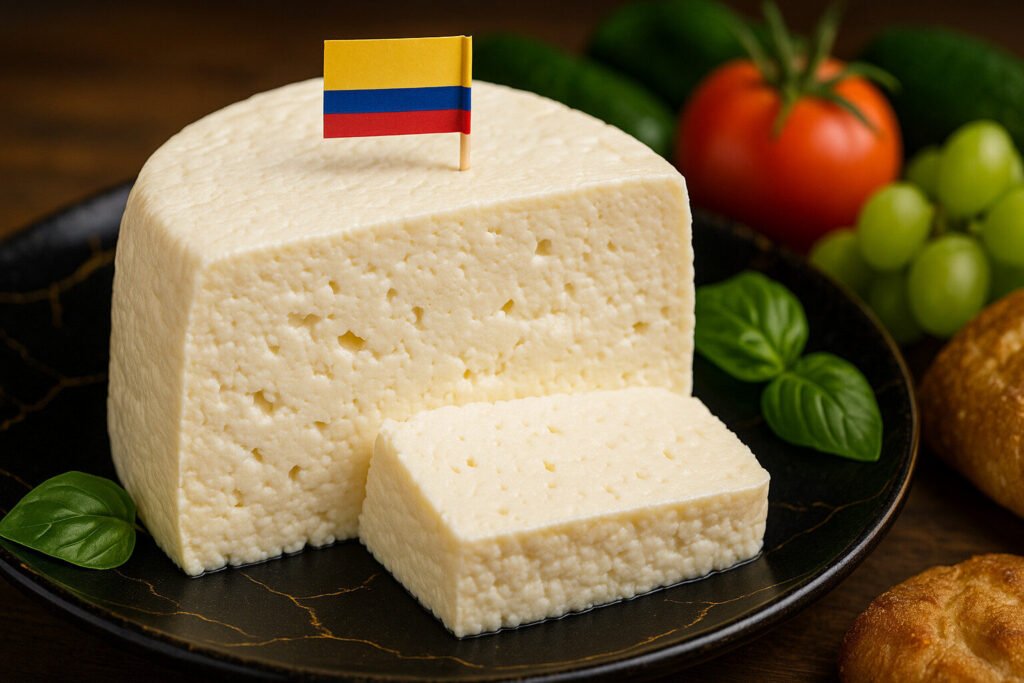
Queso Costeño typically comes in small, flat wheels or rectangular blocks. Its color ranges from a bright, pure white to a pale, creamy yellow. The texture is firm and slightly crumbly, yet it maintains a certain springiness when pressed.
The cheese has a low to medium humidity level, which contributes to its excellent frying and grilling properties. Its most defining characteristic is its pronounced salty flavor, a result of being brined or dry-salted during production. The rind is thin and edible, often bearing the marks of the basket or mold in which it was formed.
Cheese Varieties
The primary variety is Queso Costeño Salado, the classic salted version. This is the most common type found throughout Colombia. Its high salt content acts as a natural preservative in the hot coastal climate.
Another variety is Queso Costeño Sin Sal, or unsalted cheese. This version is less common and has a much milder, milky flavor. It is often preferred for certain desserts or for those on a low-sodium diet. Artisanal producers may also create smoked versions, imparting a subtle, woody aroma.
History and Traditions
Queso Costeño originates from Colombia’s Caribbean coastal region. Its production began as a practical method for preserving milk in a tropical environment without refrigeration. The cheese became a vital source of protein and fat for rural and coastal communities.
The region is also famous for its vibrant music, like Cumbia and Vallenato, and its rich culinary heritage, which includes dishes like sancocho and arepas. Queso Costeño is deeply woven into the fabric of daily life and celebrations. It is a non-protected cheese, representing a tradition of home and small-scale production passed down through generations.
Production Process
The process starts with fresh, raw or pasteurized cow’s milk from the region’s dual-purpose cattle breeds. The milk is gently warmed and then coagulated using natural rennet. The resulting curds are cut, stirred, and heated to release the whey.
The curds are then gathered and pressed into molds to form the characteristic shapes. After unmolding, the young cheeses are either submerged in a brine solution or heavily dry-salted. The final step is a short aging period of a few days to a couple of weeks, which allows the salt to penetrate and the texture to firm up.
Wine or Beverage Pairings
A light, crisp beer is the classic regional pairing for Queso Costeño. A Colombian lager or a pilsner complements its saltiness and cleanses the palate. The carbonation and bitterness of the beer cut through the cheese’s richness effectively.
For wine, a young, acidic white wine like a Verdejo or a Sauvignon Blanc works well. The wine’s acidity balances the salt. A dry cider also makes an excellent pairing, offering a fruity contrast to the savory cheese.
Suitable Fruit and Vegetables
Sweet fruits provide a wonderful contrast to the salty cheese. Slices of ripe mango, sweet plantain (plátano maduro), and papaya are excellent choices. The natural sugars in the fruit balance the saltiness perfectly.
For vegetables, it is often incorporated into cooked dishes. It is delicious with yuca (cassava), fried green plantains (patacones), and in salads with tomato and onion. The cheese’s ability to soften without completely melting makes it ideal for grilling alongside vegetables.
Suitable Meat and Fish dishes
Queso Costeño is a key ingredient in many traditional Colombian meat dishes. It is grated over bandeja paisa, a hearty platter featuring grilled steak, chorizo, and beans. It is also served alongside grilled chicken or pork, adding a salty, creamy element.
Given its coastal origin, it pairs naturally with seafood. It is often served with fried fish or stuffed into empanadas alongside shrimp. The cheese does not overpower the delicate flavor of the fish but instead enhances the overall dish.
Presentation
Remove Queso Costeño from the refrigerator at least 30 minutes before serving. This allows it to come to room temperature, around 18-20°C, which maximizes its flavor and texture. Serve it on a simple wooden board or a slate plate to showcase its rustic character.
Present it in thick slices or small cubes. Provide a small knife for guests to cut their own pieces. For eating, a standard cheese knife or a small fork is sufficient. Arrange it alongside its chosen accompaniments like fruit or crackers for a visually appealing and balanced platter.
Recipe Ideas
Arepas de Queso
Arepas de Queso are a beloved Colombian breakfast and snack. These cornmeal cakes are stuffed with cheese and grilled until golden brown. The Queso Costeño melts slightly inside, creating a deliciously salty and stretchy center.
They are incredibly versatile and can be enjoyed at any time of day. The crispy exterior and soft, cheesy interior make them utterly addictive. This recipe is a fantastic way to experience the authentic flavor of the Colombian coast.
- 2 cups pre-cooked white cornmeal (masarepa)
- 2 ½ cups warm water
- 1 teaspoon salt
- 250g Queso Costeño, grated
- 2 tablespoons vegetable oil or butter
- In a large bowl, mix the masarepa and salt. Gradually add the warm water and knead for 3-4 minutes until a smooth dough forms.
- Divide the dough into 8 equal portions. Roll each into a ball, then flatten it in your palm.
- Place a tablespoon of grated cheese in the center of the disk. Fold the edges over to enclose the cheese and seal tightly. Flatten gently into a patty about 1 cm thick.
- Heat the oil or butter in a non-stick skillet over medium heat. Cook the arepas for 5-7 minutes per side, until a golden crust forms and the cheese is melted.
- Serve immediately while hot.
Queso Costeño Frito (Fried Cheese)
Queso Costeño Frito is a simple yet iconic Colombian appetizer or side dish. The cheese is sliced and fried until the outside is crispy and golden while the inside becomes soft and warm. It is a testament to the cheese’s excellent frying qualities.
This dish is a staple in coastal restaurants and homes. It is often served with a side of hogao (a Colombian tomato and onion relish) or guacamole. The contrast between the crispy exterior and the soft, salty interior is incredibly satisfying.
- 1 block (approx. 250g) Queso Costeño
- 2 tablespoons all-purpose flour or cornstarch
- 4 tablespoons vegetable oil for frying
- Slice the cheese into rectangles, about 1 cm thick.
- Lightly dust each slice with flour or cornstarch, shaking off any excess. This helps achieve a crispier crust.
- Heat the oil in a large skillet over medium-high heat.
- Carefully place the cheese slices in the hot oil. Fry for 2-3 minutes on each side, until a deep golden-brown crust forms.
- Remove from the pan and drain on paper towels for a moment. Serve immediately while the cheese is still warm and soft inside.
Similar Cheeses and Alternatives
Queso Blanco or Queso Fresco, common throughout Latin America, is a close alternative. It shares a similar fresh, milky base but is generally less salty and has a higher moisture content, making it softer. Panela cheese from Mexico also offers a comparable mild and fresh profile, though it is often even softer and less complex in flavor. For a European alternative, a young, lightly salted Haloumi can mimic the frying and grilling properties of Queso Costeño, though its sheep’s milk origin gives it a distinctly different flavor profile. When seeking a substitute, look for any semi-hard, brined cheese that holds its shape well under heat.
Queso Costeño: Questions and answers
What are the best pairings for Queso Costeño?
Pair Queso Costeño with crisp Colombian lager or acidic white wine. Sweet fruits like plantain and mango balance its saltiness perfectly. It also complements grilled vegetables, yuca, and traditional Colombian meat dishes beautifully.
What are good substitutes for Queso Costeño?
Queso fresco or panela cheese can substitute for Queso Costeño in many recipes. Haloumi works well for grilling due to similar heat-resistant properties. Choose a semi-hard, brined cheese that maintains its shape when cooked for best results.
Is Queso Costeño safe to eat if left out?
Queso Costeño can sit at room temperature for up to 2 hours safely. Do not leave it out longer than this to avoid bacterial growth. Always refrigerate leftovers promptly to maintain food safety standards.
How long does Queso Costeño last?
Properly stored Queso Costeño typically lasts 2-3 weeks in the refrigerator. Check for any off smells or mold before using if it has been stored longer. Its high salt content acts as a natural preservative, extending its usability.
Where can I buy authentic Queso Costeño?
Look for Queso Costeño in Latin American grocery stores or specialty cheese shops. You may also find it in the international aisle of larger supermarkets. Online retailers that specialize in Colombian products often stock it as well.
What is the correct way to cut Queso Costeño?
Use a sharp knife to slice Queso Costeño into even portions. Cut rectangular blocks into 1 cm thick slices for frying or cubing. A clean, smooth cutting motion helps maintain the cheese’s firm, slightly crumbly texture.
How do I serve Queso Costeño for eating?
Remove Queso Costeño from the fridge 30 minutes before serving to reach 18-20°C. Slice it into thick pieces or small cubes for easy eating. Pair it with sweet fruits like mango or serve alongside crackers for a balanced flavor experience.
Does Queso Costeño need to be refrigerated?
Yes, Queso Costeño should be refrigerated at all times to maintain freshness. Keep it at a temperature between 2°C and 6°C to prevent spoilage. Always return it to the fridge promptly after use to extend its shelf life.
What is the best way to store Queso Costeño?
Keep Queso Costeño wrapped in wax paper or in an airtight container in the refrigerator. Store it in the main compartment, not the door, to maintain a consistent temperature around 4°C. Proper storage helps preserve its texture and salty flavor for longer.
How should I use Queso Costeño in cooking?
Queso Costeño is excellent for frying or grilling due to its firm texture. You can grate it over traditional dishes like bandeja paisa or stuff it inside arepas. It softens when heated but holds its shape well, making it versatile for many recipes.