
Skyr – The National Cheese of Iceland
Discover Skyr, Iceland’s creamy, protein-rich cheese. Perfect for healthy meals and snacks. Taste tradition today!
Skyr – The National Cheese of Iceland Read More »
Cheese is a dairy product derived from milk through coagulation of the milk protein casein. It encompasses a vast range of textures, flavors, and forms produced globally. The scope includes fresh, soft-ripened, hard, and blue-veined varieties, each with distinct characteristics.
This broad category is defined by the separation of milk solids from whey, followed by various aging processes. The final product’s properties are determined by factors like milk type, cultures, rennet, and aging conditions. Cheese serves as a significant source of nutrition and culinary versatility.
Cheese production begins with milk pasteurization or thermalization to ensure safety. Specific starter cultures and rennet are then added to acidify and coagulate the milk, forming curds. The curds are cut, heated, and stirred to expel whey, influencing the final cheese’s moisture content.
Subsequent steps include salting, which controls moisture and flavor development, and pressing the curds into molds. Aging, or affinage, occurs in controlled environments for periods ranging from days to years. This critical phase allows for the development of complex flavors and textures through microbial and enzymatic activity.
The sensory evaluation of cheese involves assessing its appearance, aroma, texture, and flavor. Visual characteristics include rind type, color, and presence of holes or veins. Aromatic notes can range from milky and buttery to earthy, pungent, or sharp, depending on the variety and age.
Texture is a key differentiator, classified as soft, semi-soft, semi-hard, or hard. Flavor profiles are equally diverse, encompassing sweet, salty, acidic, umami, and bitter notes. These sensory properties are directly influenced by the cheese’s production method, ingredients, and maturation period.
Cheese is a fundamental ingredient in many global cuisines, valued for its flavor-enhancing and functional properties. It is consumed on its own, as part of cheese boards, or incorporated into cooked dishes. Melting qualities make it ideal for sauces, sandwiches, pizzas, and gratins.
Different cheese styles are selected for specific culinary applications based on their behavior when heated. Fresh cheeses are often used in salads and spreads, while aged, hard cheeses are grated over pasta and soups. Cheese also plays a role in food pairing, complementing wines, beers, fruits, and breads.
France is renowned for its Brie, a soft-ripened cheese with an edible white rind, and Roquefort, a sheep’s milk blue cheese. Italy produces Parmigiano-Reggiano, a hard, granular cheese aged for over two years, and fresh Mozzarella. These cheeses are often protected by designations of origin.
The United Kingdom is famous for Cheddar, a firm, natural-rinded cheese, and Stilton, a blue cheese. The Netherlands exports Gouda and Edam, known for their waxed rinds and mild, nutty flavors. These regional examples highlight how local traditions, climates, and milk sources create distinctive cheese styles.
Discover Skyr, Iceland’s creamy, protein-rich cheese. Perfect for healthy meals and snacks. Taste tradition today!
Skyr – The National Cheese of Iceland Read More »
Discover Gamalostur, Iceland’s traditional cheese. Enjoy its unique flavor and rich history in every bite. Perfect for cheese lovers.
Gamalostur – Iceland’s Traditional Cheese Read More »
Discover Hvítur ostur, Iceland’s fresh white cheese. Enjoy its mild, creamy flavor and versatile uses in traditional and modern dishes.
Hvítur Ostur – Icelandic Cheese Guide Read More »

Aegean Region cheese culture spans the coastal areas and islands shared by Greece and Turkey. This historic crossroad produces a vibrant array of cheeses define
Aegean Region Cheese: A Comprehensive Guide Read More »
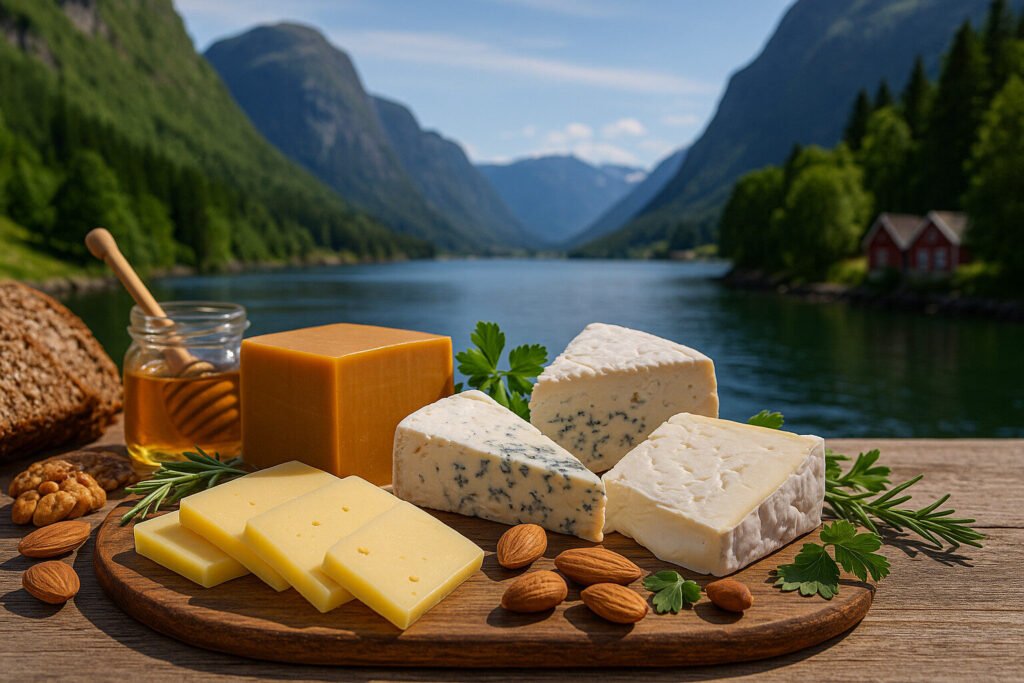
Scandinavia encompasses the Nordic nations of Denmark, Sweden, Norway, Finland, and Iceland. Scandinavian cheese reflects a deep connection to its northern terr
Scandinavia Cheese: A Comprehensive Guide Read More »

The vast and frigid expanse of the Arctic Circle produces cheeses of remarkable character and resilience. This region encompasses parts of Norway, Sweden, Finla
Arctic Circle Cheese: A Comprehensive Guide Read More »