
Republic of the Congo – Imported Cheese Varieties
Republic of the Congo has no indigenous cheese varieties. Discover why traditional cheese-making isn’t part of its culinary heritage.
Republic of the Congo – Imported Cheese Varieties Read More »
Cheese is a dairy product derived from milk through coagulation of the milk protein casein. It encompasses a vast range of textures, flavors, and forms, from soft fresh cheeses to hard aged varieties. The fundamental process involves separating the milk solids, or curds, from the liquid whey.
Within cheese taxonomy, products are categorized by factors including milk type, aging duration, and production techniques. This classification system helps organize cheeses into families like fresh, soft-ripened, semi-hard, hard, and blue-veined. The scope of cheese is global, with each region contributing unique styles shaped by local traditions and environments.
Cheese production begins with milk pasteurization or thermalization to ensure safety. A starter culture is added to acidify the milk, followed by rennet to coagulate it into a solid curd. The curd is then cut, heated, and stirred to expel whey, a process determining the final cheese’s moisture content.
Subsequent steps include salting, which enhances flavor and acts as a preservative, and pressing the curds into molds. For many cheeses, aging or affinage is critical; this controlled maturation in specific environments develops complex flavors and textures. The techniques of washing, brushing, or piercing rinds further define cheese styles during this period.
The sensory evaluation of cheese analyzes its appearance, texture, aroma, and flavor. Visual characteristics include rind type, color, and interior eyes or veining. Texture ranges from creamy and spreadable to firm, crumbly, or elastic, directly relating to moisture and fat content.
Flavor profiles are immensely diverse, from mild and milky to intensely sharp, salty, or pungent. Aromas can be buttery, nutty, earthy, or barnyard-like, influenced by milk type, cultures, and aging conditions. The finish, or aftertaste, is another key component of a cheese’s overall sensory identity.
Cheese serves as a standalone food item on cheese boards, often paired with fruits, nuts, and wines. Its culinary applications are extensive, functioning as a key ingredient in cooking and baking. It provides flavor, richness, and texture in dishes like sauces, gratins, and sandwiches.
Different cheese categories are selected for specific uses based on their melting properties, saltiness, or flavor intensity. For instance, fresh mozzarella is ideal for pizza, while a hard Parmigiano-Reggiano is grated over pasta. Cheese also plays a significant role in food manufacturing within processed products.
France is renowned for its protected designation of origin (AOP) cheeses like Brie, Camembert, and Roquefort. These cheeses are legally defined by their geographic region and traditional production methods. Their characteristics are a direct result of local terroir, including native microflora and animal breeds.
Italy produces iconic varieties such as Parmigiano-Reggiano, Gorgonzola, and Pecorino Romano. Other notable regional examples include Cheddar from England, Gouda from the Netherlands, and Feta from Greece. These regional specialties form the backbone of the world’s cheese taxonomy and cultural heritage.
Republic of the Congo has no indigenous cheese varieties. Discover why traditional cheese-making isn’t part of its culinary heritage.
Republic of the Congo – Imported Cheese Varieties Read More »
Discover Maboké, a traditional cheese from the Republic of the Congo. Learn about its unique flavor and cultural significance.
Maboké Cheese: Taste and Production in Congo Read More »
Discover Fromage de chèvre traditionnel congolais, a traditional goat cheese from the Republic of Congo. Rich, authentic, and full of flavor.
Fromage de chèvre traditionnel congolais: Taste and Production Read More »
Discover ‘Not applicable’ cheese from Republic of the Congo. Learn about its unique qualities and regional significance in this brief guide.
Republic of the Congo’s: No Traditional Cheeses Read More »

Discover the unique cheese landscape of the Republic of the Congo, where no traditional cheeses exist but local dairy innovations thrive.
Republic of the Congo: No indigenous cheese production Read More »
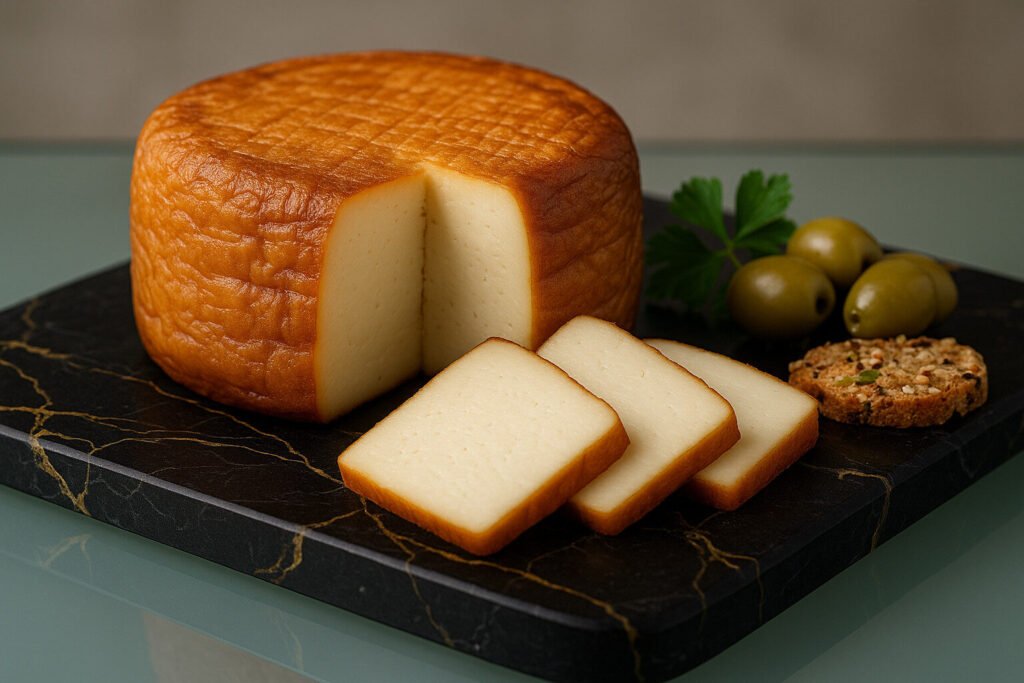
Discover Fromage fumé traditionnel, a traditional smoked cheese from Republic of the Congo. Rich flavor, artisanal preparation methods.
Fromage fumé traditionnel of the Republic of the Congo Read More »

Central Africa presents a unique and often overlooked cheese culture. This region, encompassing Cameroon, Central African Republic, Chad, Republic of the Congo,
Central Africa Cheese: A Comprehensive Guide Read More »