
Sura Kees – The Alpine Cheese of Liechtenstein
Discover Sura Kees, a traditional cheese from Liechtenstein. Enjoy its unique flavor and rich heritage in every bite.
Sura Kees – The Alpine Cheese of Liechtenstein Read More »
Lactic sharpness describes a distinct acidic tang in cheese resulting from lactic acid fermentation. This characteristic develops when lactose converts to lactic acid during primary fermentation. It is most prominent in fresh, unripened cheeses and those with high moisture content.
The intensity of lactic sharpness varies based on bacterial strains, fermentation time, and lactose concentration. It serves as a key differentiator in cheese classification, separating fresh styles from aged varieties. This property is deliberately cultivated in many traditional cheese-making traditions worldwide.
Lactic sharpness develops during the initial acidification phase of cheese making. Mesophilic cultures containing Lactococcus and Leuconostoc species are primarily responsible for this conversion. The rate of acid development directly influences the final sharpness level.
Extended fermentation periods at controlled temperatures enhance lactic acid production. Cheesemakers monitor pH levels carefully to achieve desired sharpness characteristics. Post-production, some cheeses develop additional complexity through surface mold interactions.
The sensory experience of lactic sharpness presents as a clean, bright acidity on the palate. This characteristic often carries notes of cultured dairy and fresh yogurt. The sharpness typically registers on the sides of the tongue and can stimulate salivation.
In balanced cheeses, lactic sharpness complements buttery and milky undertones. Excessive sharpness may indicate over-fermentation or improper aging conditions. The perception of sharpness can be moderated by fat content and salt levels in the final product.
Cheeses with pronounced lactic sharpness excel in applications requiring bright acidity. They work particularly well in salads, spreads, and cold preparations where their tang cuts through richness. Fresh chèvre and fromage blanc demonstrate this quality effectively.
In cooking, lactic cheeses melt smoothly while maintaining their characteristic tang. They pair exceptionally with sweet fruits, honey, and crisp white wines. Their acidity makes them excellent for balancing fatty or rich dishes.
French fromage frais and German quark showcase lactic sharpness in their purest forms. These fresh cheeses typically achieve pH levels between 4.4 and 4.6, creating their distinctive tang. They are consumed within days of production to preserve freshness.
Mediterranean cheeses like Greek feta and Bulgarian sirene develop lactic sharpness through brining. Scandinavian varieties such as Swedish mesost achieve sharpness through whey reduction techniques. Each region’s microbial environment contributes unique nuances to this characteristic.
Discover Sura Kees, a traditional cheese from Liechtenstein. Enjoy its unique flavor and rich heritage in every bite.
Sura Kees – The Alpine Cheese of Liechtenstein Read More »
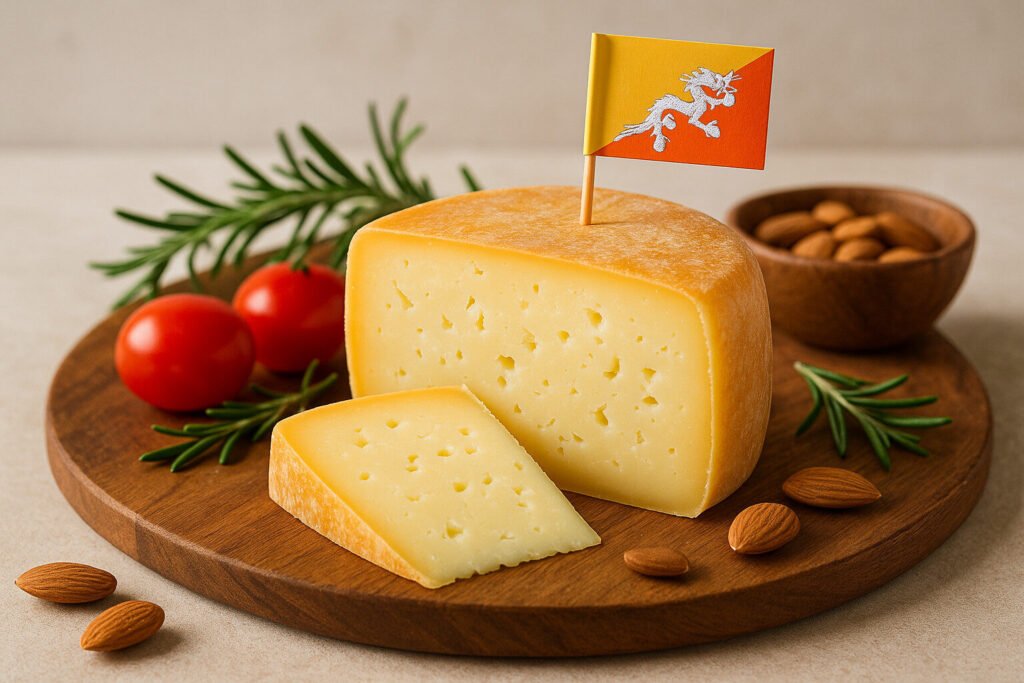
Discover Datshi, Bhutan’s beloved cheese dish. Creamy, spicy, and a staple of Bhutanese cuisine. Perfect with red rice.
Datshi Cheese from Bhutan – A Culinary Treasure Read More »

Discover Telenko Sirene, a traditional Bulgarian brined cheese known for its tangy flavor and crumbly texture. Perfect for salads and pastries.
Telenko Sirene – Bulgarian Brined Cheese Read More »