
In this article
Distinctive Features of Tanga Cheese
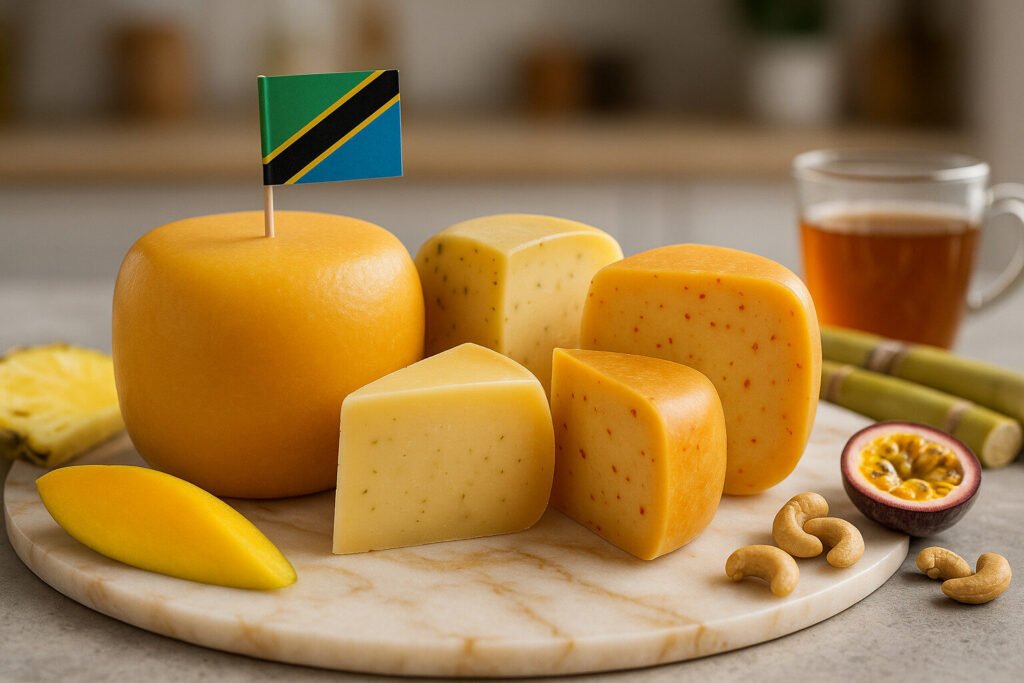
Tanga cheese typically forms into medium-sized wheels weighing about 1 to 2 kilograms. Its rind is natural and thin, often displaying a pale yellow to light brown color. The interior paste is uniformly ivory or off-white. The cheese has a smooth, pliable texture that is neither too hard nor too soft.
Its consistency is semi-firm, allowing for easy slicing without crumbling. The humidity level is moderate, contributing to its moist mouthfeel. Tanga cheese releases a gentle, milky aroma with a hint of grassland. The flavor profile is clean and fresh, with a subtle tanginess that lingers pleasantly. It contains approximately 45% fat in dry matter, giving it a rich, buttery quality.
Tanga Cheese Varieties
Fresh Tanga cheese is consumed within days of production and has a high moisture content. This variety is soft, spreadable, and often used in local snacks. It lacks the rind development seen in aged versions. Another common type is the lightly aged Tanga cheese, which is firmer and saltier.
Some producers create a smoked Tanga cheese using traditional methods over wood fires. This imparts a smoky flavor and darker rind. In urban areas, flavored Tanga cheese with additions like chili or herbs is gaining popularity. These adaptations reflect local tastes and ingredient availability.
History and Traditions of Tanga Cheese
Tanga cheese originated in the Tanga Region of Tanzania, an area known for its dairy farming. It developed as a way to preserve milk in a tropical climate. Local communities have made this cheese for generations, often in small-scale family operations. The region is also famous for its coconut plantations and spice farms.
Tanga cheese is central to many cultural celebrations and family gatherings. It is commonly served during festivals like Eid and Christmas. The cheese is often paired with flatbreads or fresh fruits. This tradition highlights its role in communal dining and hospitality.
Production Process and Producers
Tanga cheese starts with fresh, unpasteurized cow’s milk from local herds. The milk is warmed and mixed with natural rennet to form curds. Workers cut the curds and drain the whey before pressing them into molds. The cheese is then salted and left to ripen for two to four weeks.
Ripening occurs in cool, humid environments to develop flavor and texture. Main producers include Tanga Fresh Ltd, Kilimanjaro Creameries, and smaller artisanal makers like Mkomazi Dairy. These producers ensure consistent quality and supply across Tanzania. Their methods blend traditional techniques with modern hygiene standards.
Quality Labels and Certifications
As to our current knowledge, Tanga cheese does not hold protected designation of origin status. However, some producers adhere to local food safety standards set by the Tanzania Bureau of Standards. These guidelines ensure the cheese meets basic quality and hygiene requirements. There is no widespread organic or sustainability certification for Tanga cheese at this time.
Artisanal producers may use informal quality seals based on community trust. Efforts are underway to explore geographical indication registration. This could help protect the name and methods of Tanga cheese in the future. For now, consumers rely on producer reputation for authenticity.
Wine or Beverage Pairings
Locally, Tanga cheese pairs well with Tanzanian beers like Safari Lager. The crisp, light beer complements the cheese’s creamy texture. Palm wine, a traditional beverage, also matches its mild tanginess. These regional drinks enhance the cheese’s earthy notes.
Internationally, a dry white wine such as Sauvignon Blanc works beautifully. Its acidity cuts through the richness of Tanga cheese. For non-alcoholic options, try fresh coconut water or hibiscus tea. These beverages provide a refreshing contrast to the cheese’s flavor.
Suitable Fruit and Vegetables
Fresh mango slices bring a sweet, juicy contrast to Tanga cheese. Ripe bananas add creaminess and natural sweetness. Tomatoes, especially cherry tomatoes, offer a acidic balance. These fruits and vegetables are commonly grown in Tanzania and pair naturally.
Avocado provides a buttery texture that complements the cheese. Spinach or kale can be used in salads with Tanga cheese. Roasted bell peppers add a smoky, sweet element. Incorporating these enhances both flavor and nutritional value.
Suitable Meat and Fish Dishes
Tanga cheese melts well into grilled chicken dishes, adding richness. It can be stuffed into beef samosas for a creamy filling. The cheese’s mild flavor does not overpower the meat. This makes it versatile for various protein-based recipes.
With fish, Tanga cheese works in baked tilapia or sea bass preparations. It creates a delicious crust when grated over fish before baking. The cheese pairs nicely with coconut-based fish curries. Its creaminess balances the spices in these dishes.
Presentation of Tanga Cheese
Serve Tanga cheese at room temperature, about 18 to 20 degrees Celsius. Remove it from the refrigerator at least one hour before serving. Use a wooden or ceramic plate for an authentic presentation. Arrange the cheese in wedges or slices for easy access.
Place Tanga cheese alongside accompaniments like crackers or bread. Provide a cheese knife for cutting and spreading. For eating, use small forks or spreaders. This setup encourages guests to enjoy the cheese fully.
Questions and Answers
What is Tanga cheese?
Tanga cheese is a semi-hard cheese from Tanzania made primarily from cow’s milk. It features a creamy texture and a mild, tangy flavor. Tanga cheese is popular in East African cuisine for its versatility.
How is Tanga cheese made?
Tanga cheese is made by curdling fresh cow’s milk with rennet, then pressing and aging the curds. The process involves salting and ripening for several weeks. Tanga cheese production often uses traditional methods passed down through generations.
Where is Tanga cheese produced?
Tanga cheese is produced in the Tanga Region of Tanzania, known for its dairy farming. It is also made in other parts of the country with similar climates. Tanga cheese comes from both small-scale and larger commercial dairies.
How popular is Tanga cheese?
Tanga cheese is very popular within Tanzania, especially in coastal areas. It is gaining recognition in neighboring countries as well. Tanga cheese is a staple in many local households and markets.
How is Tanga cheese eaten?
Tanga cheese is eaten sliced in sandwiches, melted in cooked dishes, or served with fruits. It can be grated over salads or pasta. Tanga cheese is often enjoyed as a snack with bread or crackers.
What distinguishes Tanga cheese from other cheeses?
Tanga cheese is distinguished by its semi-hard texture and mild tanginess from Tanzanian cow’s milk. It has a shorter aging period compared to many European cheeses. Tanga cheese reflects the unique terroir of its production region.
How is Tanga cheese stored?
Tanga cheese should be stored in the refrigerator wrapped in wax paper or in an airtight container. It keeps for up to three weeks when properly stored. Tanga cheese can also be frozen for longer preservation.
Is Tanga cheese used in restaurants?
Yes, Tanga cheese is used in many Tanzanian restaurants, both in traditional and fusion dishes. It appears in appetizers, main courses, and even desserts. Tanga cheese is valued for its melting properties and mild flavor.
Can Tanga cheese be exported?
Tanga cheese can be exported, though it is primarily consumed domestically. Some producers are exploring international markets in East Africa and beyond. Exporting Tanga cheese requires meeting import regulations and packaging standards.
Why is Tanga cheese important?
Tanga cheese is important for preserving Tanzanian dairy traditions and supporting local economies. It provides a source of nutrition and income for many families. Tanga cheese also represents the cultural heritage of the Tanga Region.
Recipe Ideas
Tanga Cheese and Vegetable Skewers
This recipe highlights the creamy texture of Tanga cheese with grilled vegetables. It is perfect for outdoor gatherings or as a hearty appetizer. The skewers are easy to assemble and cook quickly on a grill or stovetop. Tanga cheese melts slightly, adding richness to each bite.
Using local vegetables like bell peppers and zucchini enhances the East African flair. The dish is nutritious and colorful, appealing to both adults and children. Serve it with a side of dipping sauce for extra flavor. This recipe makes Tanga cheese the star of any meal.
- 200 grams Tanga cheese, cut into cubes
- 1 red bell pepper, chopped
- 1 zucchini, sliced
- 1 onion, cut into wedges
- 2 tablespoons olive oil
- Salt and pepper to taste
- Wooden skewers, soaked in water
- Preheat grill to medium heat.
- Thread Tanga cheese, bell pepper, zucchini, and onion onto skewers alternately.
- Brush with olive oil and season with salt and pepper.
- Grill for 5-7 minutes, turning occasionally, until vegetables are tender and cheese is soft.
- Serve immediately.
Tanga Cheese Coconut Rice
This dish combines Tanga cheese with coconut rice for a creamy, tropical flavor. It is a staple in many Tanzanian homes, often served with stews or grilled meats. The cheese adds a savory depth to the mildly sweet rice. It is simple to prepare and uses readily available ingredients.
Coconut milk gives the rice a luxurious texture that pairs well with Tanga cheese. This recipe is ideal for family dinners or potluck events. It can be made in advance and reheated without losing quality. Tanga cheese makes the rice more satisfying and nutritious.
- 150 grams Tanga cheese, grated
- 200 grams jasmine rice
- 400 milliliters coconut milk
- 1 teaspoon salt
- 2 tablespoons chopped cilantro
- 1 tablespoon lime juice
- Rinse the rice under cold water until water runs clear.
- In a pot, combine rice, coconut milk, and salt. Bring to a boil.
- Reduce heat, cover, and simmer for 15 minutes until rice is cooked.
- Stir in grated Tanga cheese and lime juice. Cover and let stand for 5 minutes.
- Fluff with a fork, garnish with cilantro, and serve warm.
Similar Cheeses and Alternatives
If Tanga cheese is unavailable, consider trying other East African cheeses like Kenyan Mursik or Ethiopian Ayib. These cheeses share a similar fresh, tangy profile and are often made from cow’s milk. Mursik is traditionally stored in gourds and has a fermented taste, while Ayib is a soft, crumbly cheese used in stews. Another alternative is Mozzarella, which has a comparable mildness and melting quality, though it lacks the distinct tang of Tanga cheese. For a closer match, seek out artisanal cheeses from neighboring regions that use similar production methods. These alternatives can be used in recipes calling for Tanga cheese, though the flavor may vary slightly.