

In this article
Distinctive Features of Yamagata Snow Cheese
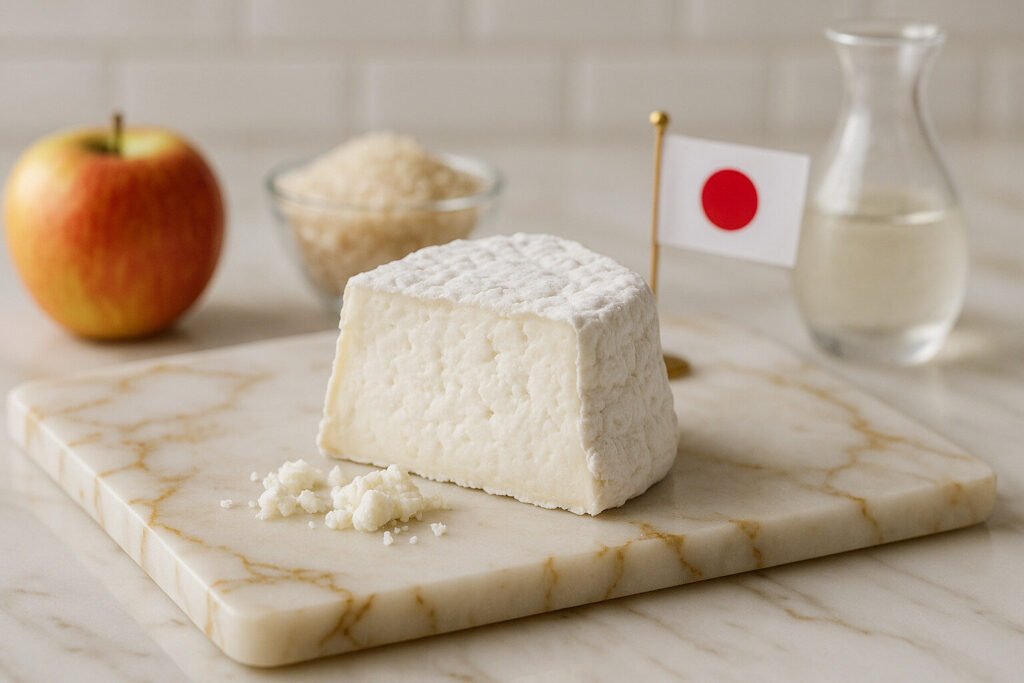
Yamagata Snow Cheese typically forms wheels weighing between 1.5 to 2 kilograms with a diameter of about 20 centimeters. Its rind is natural and often develops a light gray or beige hue from the aging process. The interior paste displays a pale ivory color, sometimes with small, irregular eyes.
The texture is semi-hard yet pliable, offering a smooth and creamy mouthfeel. It has a humidity level around 40 to 45 percent, which contributes to its moist consistency. Flavors are mild and nutty, with subtle hints of grass and butter, evolving as the cheese ages.
Yamagata Snow Cheese Varieties
One common variety is the Young Yamagata Snow Cheese, aged for just two to three months. This version has a softer texture and a fresher, milky taste that appeals to those who prefer milder cheeses. It is often used in sandwiches or as a table cheese.
Aged Yamagata Snow Cheese undergoes six months or more of maturation, developing a firmer body and deeper flavors. Some producers infuse it with local ingredients like yuzu zest or sansho pepper for a regional twist. These adaptations highlight the creativity of Yamagata’s dairy artisans.
History and Traditions of Yamagata Snow Cheese
Yamagata Snow Cheese originated in the late 20th century as local farmers sought to utilize surplus milk during harsh winters. The prefecture’s abundant snowfall and cool temperatures provided ideal natural conditions for slow cheese aging. This innovation helped sustain rural economies and preserve dairy traditions.
Yamagata is also famous for its cherries, sake, and beef, creating a rich culinary landscape. Traditional events like the annual Snow Festival often feature Yamagata Snow Cheese in tastings and cooking demonstrations. These celebrations reinforce the cheese’s role in community identity and gastronomic pride.
Production Process and Producers of Yamagata Snow Cheese
Yamagata Snow Cheese uses pasteurized cow’s milk sourced from local Holstein herds grazing on mountain pastures. The milk is heated to 32°C before adding rennet and starter cultures to initiate coagulation. Curds are cut, drained, and pressed into molds to form the characteristic wheels.
Ripening occurs in cellars at 10-12°C with high humidity for two to six months, depending on the desired variety. Key producers include Yamagata Dairy Cooperative, Snowland Creamery, and Fuji Cheese Atelier, all based in the prefecture. These artisans emphasize traditional methods and quality control throughout the process.
Quality Labels and Certifications
As to our current knowledge, Yamagata Snow Cheese does not hold EU-protected designations like PDO or PGI. However, it may adhere to Japan’s JAS (Japanese Agricultural Standard) for dairy products, ensuring hygiene and labeling accuracy. Some producers pursue organic certifications to appeal to health-conscious consumers.
Local artisanal labels often verify that the cheese is handmade using traditional techniques. These certifications help maintain authenticity and support small-scale dairy farms in Yamagata. Consumers can look for these marks to guarantee quality and origin.
Wine or Beverage Pairings
Local pairings include Junmai sake from Yamagata, which complements the cheese’s nutty notes with its clean, rice-based profile. Light-bodied Japanese wines like Koshu or regional craft beers also harmonize well. These beverages enhance the cheese’s delicate flavors without overpowering them.
Internationally, a crisp Sauvignon Blanc or a mild Chardonnay pairs nicely with Yamagata Snow Cheese. For non-alcoholic options, try green tea or apple cider. The acidity and fruitiness in these drinks balance the cheese’s creaminess.
Suitable Fruit and Vegetables
Fresh fruits like Japanese apples, persimmons, and grapes pair excellently with Yamagata Snow Cheese. Their sweetness contrasts with the cheese’s mild saltiness, creating a balanced flavor profile. Serve them sliced alongside the cheese for a refreshing appetizer.
Vegetables such as daikon radish, cucumbers, and cherry tomatoes offer a crisp texture. Lightly grilled asparagus or shiitake mushrooms also complement the cheese’s nuttiness. Incorporate these into salads or platters for added variety.
Suitable Meat and Fish dishes
Yamagata Snow Cheese melts beautifully into dishes like chicken katsu or pork tonkatsu, adding creaminess. It can be grated over grilled Wagyu beef or used in meat-based casseroles. The cheese’s mild flavor enhances without dominating the dish.
For fish, try incorporating it into salmon gratin or baked cod recipes. It pairs well with seafood pasta or as a topping for grilled scallops. The cheese adds a rich, umami element that complements the delicate taste of fish.
Presentation of Yamagata Snow Cheese
Remove Yamagata Snow Cheese from the refrigerator at least one hour before serving to reach an ideal temperature of 15-18°C. Use a wooden or slate cheese board to showcase its natural beauty. Arrange the cheese whole or in wedges to allow easy access for guests.
Pair with accompaniments like crackers, bread, and fruits on the same plate. Provide cheese knives for cutting and spreading, and small forks for serving. This setup encourages interactive tasting and appreciation of the cheese’s texture.
Questions and Answers
What is Yamagata Snow Cheese made from?
Yamagata Snow Cheese is made from pasteurized cow’s milk sourced from Yamagata Prefecture. The milk is rich and creamy, contributing to the cheese’s smooth texture. Rennet and cultures are added to develop its characteristic taste.
How should I serve Yamagata Snow Cheese to guests?
Serve Yamagata Snow Cheese at room temperature on a cheese board with accompaniments like fruits, nuts, and bread. Provide separate knives for cutting and encourage guests to taste it plain first to appreciate its flavor.
What makes Yamagata Snow Cheese unique?
Yamagata Snow Cheese is unique due to its aging in Yamagata’s cold, snowy climate, which imparts a creamy texture and subtle flavors. It uses local cow’s milk and traditional methods, distinguishing it from other Japanese cheeses.
Is Yamagata Snow Cheese lactose-free?
Yamagata Snow Cheese contains minimal lactose due to the aging process, but it is not completely lactose-free. Those with lactose intolerance should consume it in moderation. Always check with the producer for specific dietary information.
Can Yamagata Snow Cheese be used in cooking?
Yamagata Snow Cheese is versatile and melts well, making it ideal for gratins, sauces, and baked dishes. Its mild flavor enhances without overpowering other ingredients. Avoid high heat for prolonged periods to prevent oil separation.
How do I cut Yamagata Snow Cheese properly?
Use a sharp cheese knife to cut Yamagata Snow Cheese into wedges or slices, following the natural shape of the wheel. For even portions, slice from the center outward. This method helps maintain the cheese’s structure and presentation.
What is the shelf life of Yamagata Snow Cheese?
Unopened Yamagata Snow Cheese lasts up to three months when stored correctly in the refrigerator. Once opened, consume within two weeks to enjoy its optimal flavor and texture. Always check for any signs of mold or off-odors before eating.
Where can I buy Yamagata Snow Cheese?
Yamagata Snow Cheese is available at specialty cheese shops in Japan and select international gourmet stores. Online retailers and Japanese food importers also stock it. Check for authenticity by looking for producer labels from Yamagata Prefecture.
Can I freeze Yamagata Snow Cheese?
Freezing Yamagata Snow Cheese is not recommended as it can alter the texture and cause moisture loss. Thawing may make the cheese crumbly and affect its creamy consistency. It is best enjoyed fresh or properly refrigerated.
How should I store Yamagata Snow Cheese?
Yamagata Snow Cheese should be stored in the refrigerator at 4-8°C, wrapped in wax paper or cheese paper to maintain humidity. Keep it away from strong odors to preserve its delicate flavor. Consume within two weeks of opening for best quality.
Recipe Ideas
Yamagata Snow Cheese and Mushroom Risotto
This risotto highlights the creamy meltability of Yamagata Snow Cheese, making it a comforting dish for cold evenings. The cheese blends seamlessly with Arborio rice and earthy mushrooms, creating a rich, umami-packed meal. It is a popular choice in Yamagata households during winter festivals.
Using fresh shiitake or enoki mushrooms enhances the regional authenticity. The recipe requires constant stirring to achieve the perfect creamy consistency. Serve it as a main course or a sophisticated side dish for gatherings.
- 200g Yamagata Snow Cheese, grated
- 300g Arborio rice
- 150g mixed mushrooms (shiitake, enoki), sliced
- 1 liter vegetable broth
- 1 onion, finely chopped
- 2 cloves garlic, minced
- 100ml dry white wine
- 2 tablespoons olive oil
- Salt and pepper to taste
- Fresh parsley for garnish
- Heat olive oil in a large pan over medium heat. Sauté onion and garlic until soft.
- Add rice and stir for 2 minutes until lightly toasted.
- Pour in white wine and cook until absorbed.
- Add broth gradually, one ladle at a time, stirring constantly.
- After 15 minutes, add mushrooms and continue cooking.
- When rice is al dente, stir in grated Yamagata Snow Cheese until melted.
- Season with salt and pepper, garnish with parsley, and serve hot.
Yamagata Snow Cheese and Apple Salad
This salad combines the crisp sweetness of apples with the creamy texture of Yamagata Snow Cheese for a refreshing starter. It is inspired by Yamagata’s famous apple orchards and makes a light, healthy option. The contrast in textures and flavors appeals to both adults and children.
Use firm, tart apples like Fuji or Jonathan for the best results. A simple vinaigrette dressing ties the ingredients together without masking the cheese’s subtle notes. This dish is perfect for picnics or as part of a cheese platter.
- 150g Yamagata Snow Cheese, cubed
- 2 large apples, cored and sliced
- 100g mixed salad greens
- 50g walnuts, toasted
- 2 tablespoons olive oil
- 1 tablespoon apple cider vinegar
- 1 teaspoon honey
- Salt and pepper to taste
- In a small bowl, whisk together olive oil, vinegar, honey, salt, and pepper to make the dressing.
- Arrange salad greens on a serving plate.
- Top with apple slices, cubed Yamagata Snow Cheese, and toasted walnuts.
- Drizzle the dressing evenly over the salad.
- Toss gently just before serving to combine all ingredients.
Similar Cheeses and Alternatives
If you enjoy Yamagata Snow Cheese, you might appreciate other Japanese semi-hard cheeses like Hokkaido Snow Cheese or Sakura Cheese, which share similar creamy textures and mild flavors. These cheeses also benefit from Japan’s unique climate and dairy traditions, offering comparable versatility in cooking and pairing.
Internationally, alternatives include French Tomme de Savoie or Italian Fontina, both known for their nutty profiles and good melting properties. While they originate from different regions, they provide a similar culinary experience and can be used interchangeably in many recipes that call for Yamagata Snow Cheese.