
In this article
Distinctive Features of Aorangi Cheese
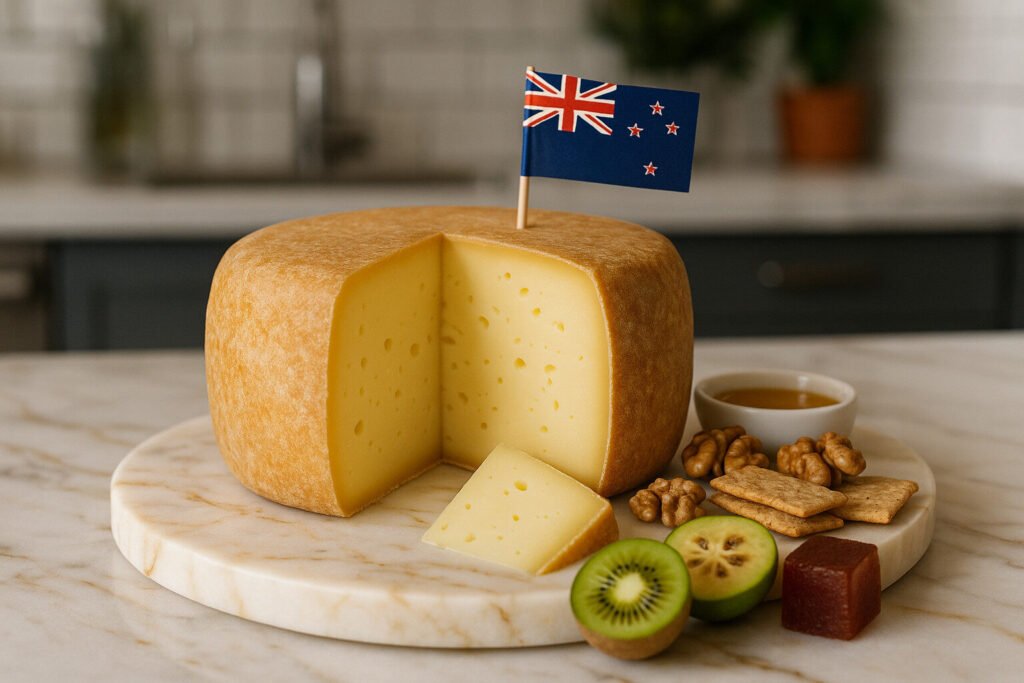
Aorangi cheese typically forms wheels weighing about 2 kilograms. Its rind is natural and often develops a light, edible bloom during aging. The paste inside displays a pale yellow color with a smooth, pliable texture. This cheese contains approximately 45% fat in dry matter, contributing to its rich mouthfeel.
The consistency of Aorangi is semi-hard, making it easy to slice yet creamy when tasted. It ages for three to six months, developing subtle earthy and buttery notes. Humidity levels during aging are carefully controlled to prevent cracking. Aorangi cheese maintains excellent melting qualities, ideal for both table and cooking use.
Cheese Varieties of Aorangi
Standard Aorangi cheese uses pasteurized cow’s milk from local Friesian herds. Some producers create a smoked version using native manuka wood. This variety gains a distinctive smoky aroma and a darker rind. It pairs wonderfully with robust beers and charcuterie.
Another adaptation is the herb-crusted Aorangi, rolled in dried thyme and rosemary. This version highlights the cheese’s versatility in flavor infusion. Artisans also produce a younger, fresher Aorangi aged only one month. That young cheese has a milder taste and softer texture, perfect for salads.
History and Traditions of Aorangi Cheese
Aorangi cheese originated in the Mackenzie Country of New Zealand’s South Island. Dairy farmers there sought to create a unique cheese reflecting the alpine terroir. The name Aorangi draws from the Māori name for Mount Cook, meaning “cloud piercer”. This region is famed for its clear skies and pure water sources.
Local traditions include enjoying Aorangi cheese during mountain festivals and community gatherings. It often features in Kiwi holiday meals, especially Christmas and Easter. The cheese symbolizes the pioneering spirit of South Island settlers. Many families pass down recipes using Aorangi through generations, preserving culinary heritage.
Production Process and Producers of Aorangi Cheese
Aorangi cheese production starts with fresh cow’s milk sourced from surrounding farms. The milk undergoes pasteurization before bacterial cultures and rennet are added. Curds form and are cut, then pressed into molds for several hours. Wheels are brined briefly to develop the rind and enhance preservation.
Ripening occurs in temperature-controlled rooms for three to six months. During this time, cheesemakers turn the wheels regularly to ensure even aging. Main producers in New Zealand include Whitestone Cheese, Kapiti Cheeses, and Barry’s Bay Cheeses. These artisans uphold high standards for Aorangi cheese quality and flavor consistency.
Quality Labels and Certifications for Aorangi Cheese
As to our current knowledge, Aorangi cheese may carry the New Zealand Made logo, assuring local origin. Some producers obtain organic certification through BioGro New Zealand. This label guarantees the cheese comes from farms avoiding synthetic pesticides and fertilizers. It also ensures animal welfare standards are met during milk production.
Certain Aorangi cheeses might feature food safety certifications like HACCP. These verify that production facilities follow strict hygiene protocols. While Aorangi does not hold a PDO, its name is protected by trademark in some markets. Consumers can trust these labels for quality and authenticity.
Wine or Beverage Pairings with Aorangi Cheese
New Zealand Sauvignon Blanc makes an excellent pairing with Aorangi cheese. Its crisp acidity and citrus notes complement the cheese’s creamy richness. Local Pinot Noir from Central Otago also pairs well, offering red fruit flavors that balance the nuttiness. For a non-alcoholic option, try apple cider from Hawke’s Bay.
International choices include French Chardonnay, which mirrors the cheese’s buttery elements. Craft beers like amber ale enhance the smoky varieties of Aorangi. Sparkling water with a squeeze of lemon cleanses the palate between bites. These beverages highlight the versatility of Aorangi cheese in diverse settings.
Suitable Fruit and Vegetables for Aorangi Cheese
Fresh apples and pears slice beautifully alongside Aorangi cheese. Their sweetness contrasts with the cheese’s savory profile. Grapes, especially green varieties, add a juicy burst that refreshes the palate. Seasonal stone fruits like peaches work well in summer cheese boards.
Roasted vegetables such as capsicum and zucchini pair wonderfully with melted Aorangi. Leafy greens like rocket provide a peppery counterpoint in salads. Sun-dried tomatoes offer an intense, tangy flavor that enhances the cheese. Always choose ripe, high-quality produce to match Aorangi’s premium character.
Suitable Meat and Fish Dishes with Aorangi Cheese
Aorangi cheese grates perfectly over lamb burgers, adding creamy moisture. It melts smoothly into chicken cordon bleu, enriching the filling. Smoked salmon canapés topped with Aorangi create an elegant appetizer. The cheese’s melting quality makes it ideal for gourmet meat pies.
For fish dishes, try baking white fish fillets with a Aorangi crust. The cheese forms a golden, flavorful topping that seals in moisture. Aorangi also complements beef sliders, providing a New Zealand twist. Incorporate it into seafood pasta for a decadent, creamy sauce.
Presentation of Aorangi Cheese
Serve Aorangi cheese on a wooden or slate board to highlight its artisanal nature. Remove it from the refrigerator at least 30 minutes before serving. Ideal serving temperature is around 18 to 20 degrees Celsius. This allows the full aroma and flavor of Aorangi cheese to develop.
Arrange Aorangi cheese in wedges or slices alongside accompaniments like crackers and chutney. Use a cheese plane or sharp knife for thin, even slices. Provide small spreaders or forks for guests to serve themselves. Always present Aorangi cheese as the centerpiece of any platter.
Questions and Answers about Aorangi Cheese
What is Aorangi cheese?
Aorangi cheese is a semi-hard cow’s milk cheese from New Zealand’s South Island. It features a nutty flavor and creamy texture, aged three to six months. Aorangi cheese is known for its excellent melting properties and versatility in cooking.
How should I store Aorangi cheese?
Store Aorangi cheese in the refrigerator wrapped in wax paper or cheese paper. Keep it in the vegetable drawer to maintain humidity. Aorangi cheese stays fresh for up to three weeks when stored properly. Always reseal it tightly after each use.
Can I freeze Aorangi cheese?
Freezing Aorangi cheese is not recommended as it alters the texture. The cheese may become crumbly and lose its creamy consistency. It is best to purchase Aorangi cheese in quantities you can consume within a few weeks. Thawed Aorangi cheese works better in cooked dishes than raw.
What is the shelf life of Aorangi cheese?
Aorangi cheese typically has a shelf life of about three to four weeks unopened. Once cut, consume Aorangi cheese within two weeks for optimal flavor. Check for any mold or off odors as signs of spoilage. Proper storage extends the life of Aorangi cheese.
How do I cut Aorangi cheese?
Use a sharp cheese knife or wire cutter to slice Aorangi cheese. Cut wedges from the wheel to preserve the remaining cheese. For even portions, slice Aorangi cheese against the grain. Always clean the knife between cuts to maintain hygiene.
Where can I buy Aorangi cheese?
Purchase Aorangi cheese from specialty cheese shops in New Zealand and online retailers. Some supermarkets in major cities stock Aorangi cheese. Look for it in the dairy article or deli counter. International buyers can find Aorangi cheese through exporters.
Is Aorangi cheese suitable for vegetarians?
Aorangi cheese uses animal rennet in traditional recipes, so it may not be vegetarian. Check the label for microbial rennet options if needed. Some producers offer vegetarian-friendly Aorangi cheese. Always verify ingredients before purchasing Aorangi cheese.
What dishes can I make with Aorangi cheese?
Aorangi cheese excels in grilled sandwiches, pasta bakes, and cheese sauces. Grate Aorangi cheese over pizzas or melt it into risottos. It also shines in cheese boards with fruits and nuts. Aorangi cheese adds depth to savory scones and tarts.
How does Aorangi cheese compare to cheddar?
Aorangi cheese is creamier and less sharp than aged cheddar. It has a milder, nuttier flavor profile. Aorangi cheese melts more smoothly than some cheddars. Both cheeses work well in cooking, but Aorangi offers a unique New Zealand character.
Can I use Aorangi cheese in baking?
Yes, Aorangi cheese performs wonderfully in baked goods like cheese scones and quiches. Its melting quality ensures even distribution in doughs. Aorangi cheese also tops gratins and casseroles beautifully. Always grate Aorangi cheese finely for best results in baking.
Recipe Ideas with Aorangi Cheese
Aorangi Cheese and Kumara Frittata
This frittata highlights the creamy texture of Aorangi cheese with sweet kumara. Kumara, a New Zealand sweet potato, adds natural sweetness and vibrant color. The dish is perfect for brunch or a light dinner, serving four to six people. Aorangi cheese melts evenly, creating a rich, cohesive filling. It pairs well with a simple green salad for a balanced meal. Prepare it in a oven-safe skillet for easy cooking and serving.
Using fresh eggs and herbs enhances the flavor profile of the Aorangi cheese. Thyme and parsley complement the cheese’s nutty notes. This recipe is adaptable; add spinach or bacon for variation. Aorangi cheese ensures the frittata remains moist and flavorful. Serve it warm or at room temperature for best results. It reheats well, making it ideal for meal prep.
- 200 grams Aorangi cheese, grated
- 500 grams kumara, peeled and diced
- 6 large eggs
- 100 milliliters cream
- 1 onion, finely chopped
- 2 tablespoons olive oil
- 1 teaspoon fresh thyme
- Salt and pepper to taste
- Preheat oven to 180 degrees Celsius.
- Heat olive oil in a skillet and sauté onion until soft.
- Add kumara and cook until tender, about 10 minutes.
- In a bowl, whisk eggs, cream, thyme, salt, and pepper.
- Stir in grated Aorangi cheese.
- Pour egg mixture over kumara in skillet.
- Cook on stovetop for 5 minutes until edges set.
- Transfer skillet to oven and bake for 15-20 minutes until golden.
- Let cool slightly before slicing and serving.
Aorangi Cheese and Apple Salad
This refreshing salad combines crisp apples with creamy Aorangi cheese. The contrast in textures and flavors makes it a standout side dish. Use firm, sweet apples like Royal Gala or Braeburn for best results. Aorangi cheese cubes add a savory element that balances the fruit. Toasted walnuts provide crunch and nuttiness. A light vinaigrette ties all components together beautifully.
This salad is quick to assemble, taking only 15 minutes from start to finish. It works well as a lunch option or accompaniment to grilled meats. Aorangi cheese holds its shape when cubed, ensuring each bite is perfect. The recipe serves four people generously. For extra zest, add a squeeze of lemon juice to the dressing. It’s a healthy choice that doesn’t compromise on taste.
- 150 grams Aorangi cheese, cubed
- 2 apples, cored and sliced
- 100 grams mixed salad greens
- 50 grams walnuts, toasted
- 3 tablespoons olive oil
- 1 tablespoon apple cider vinegar
- 1 teaspoon honey
- Salt and pepper to taste
- In a large bowl, combine salad greens and apple slices.
- Add cubed Aorangi cheese and toasted walnuts.
- Whisk olive oil, vinegar, honey, salt, and pepper in a small jar.
- Drizzle dressing over the salad and toss gently.
- Serve immediately to maintain crispness.
Similar Cheeses and Alternatives to Aorangi
Gouda from the Netherlands shares a similar semi-hard texture and nutty flavor with Aorangi cheese. Both cheeses melt well and suit a variety of culinary applications. However, Gouda often has a sweeter profile due to different aging processes. Another alternative is Havarti, a Danish cheese known for its creaminess and mild taste. Havarti lacks the distinct alpine notes of Aorangi but works in similar recipes.
Within New Zealand, cheeses like Whitestone Windsor Blue offer a different character but comparable quality. For those seeking a local option, Kapiti Aorangi-style cheeses provide a close match. International choices include French Tomme de Savoie, which has a firmer texture and stronger flavor. Ultimately, Aorangi cheese stands out for its unique South Island terroir and artisanal craftsmanship.