
In this article
Halloumi Distinctive Features
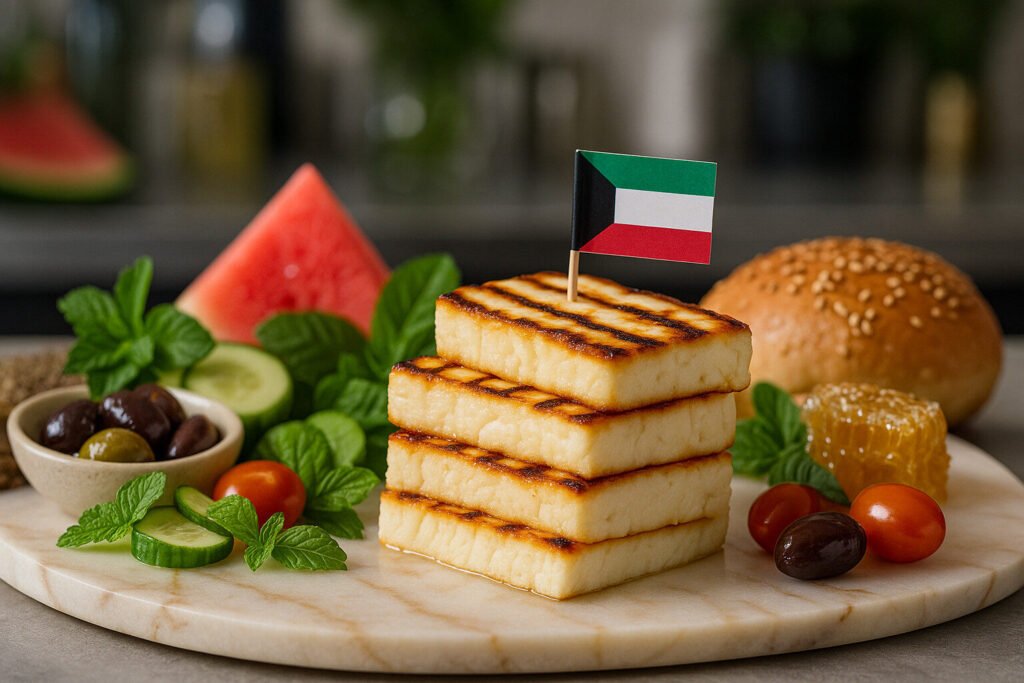
Halloumi stands out with its rectangular shape and weights usually between 200 to 250 grams per piece. The cheese displays a bright white color, occasionally with a pale yellow hue from the milk fats. Its texture is firm and rubbery when raw, transforming into a soft, elastic consistency when heated. Halloumi has a high moisture content, around 40-50%, which helps it retain shape during cooking. The rind is minimal or non-existent, and the interior is compact with small, irregular eyes. This cheese offers a salty, mildly tangy flavor that intensifies with grilling or frying.
Halloumi’s unique ability to withstand high temperatures without melting makes it ideal for searing and barbecuing. It maintains a squeaky bite when cooked briefly, while longer cooking softens it further. The cheese’s fat in dry matter typically ranges from 25% to 30%, contributing to its rich mouthfeel. Artisanal versions may have a creamier texture, whereas mass-produced Halloumi is often firmer. Its versatility allows it to be sliced, cubed, or grated, adapting to various culinary applications. Halloumi’s resilience and flavor make it a favorite for both hot and cold preparations.
Halloumi Cheese Varieties
Traditional Cypriot Halloumi remains the benchmark, made primarily from sheep’s and goat’s milk. In Kuwait and other Gulf regions, local adaptations often use cow’s milk for a milder flavor and softer texture. Some varieties incorporate fresh mint leaves during production, adding a herbal note to the cheese. Artisanal producers might age Halloumi briefly, developing a sharper taste, while most commercial types are consumed fresh. These differences arise from regional preferences and available milk sources, creating a spectrum of Halloumi experiences.
Other variations include low-salt Halloumi for health-conscious consumers and smoked versions for added depth. In Kuwait, Halloumi may be produced with local dairy blends, reflecting the area’s culinary influences. These adaptations maintain the cheese’s grilling properties while offering subtle flavor twists. Whether traditional or modern, each variety showcases Halloumi’s adaptability across cultures and cuisines. Exploring these options allows chefs to select the best type for specific dishes and preferences.
Halloumi History and Traditions
Halloumi originated in Cyprus centuries ago, where it was crafted by shepherds using sheep’s and goat’s milk. The cheese provided a durable, nutritious food source that could be stored without refrigeration. In Kuwait, Halloumi gained popularity through trade and cultural exchanges, becoming integrated into local meals. The Middle Eastern region is famous for dates, aromatic coffee, and spices like sumac and za’atar, which often accompany Halloumi. Traditional Cypriot families would make Halloumi during spring when milk was abundant, a practice that continues in some areas.
Kuwaiti cuisine embraces Halloumi in dishes like mezze platters and grilled meats, reflecting the country’s rich culinary heritage. Stories tell of Bedouin traders carrying Halloumi on journeys for its long shelf life. Today, it symbolizes hospitality and is often served at gatherings and festivals. The cheese’s history intertwines with Mediterranean and Middle Eastern foodways, highlighting shared traditions. Understanding this background enriches the appreciation of Halloumi’s role in both ancient and modern diets.
Production Process and Producers
Halloumi production starts with fresh milk, typically from sheep, goats, or cows, which is heated to about 32°C. Rennet is added to coagulate the milk, forming curds that are cut and stirred. The curds are then pressed into molds to shape the cheese and remove excess whey. After pressing, Halloumi is briefly boiled in whey or salted water, which gives it its characteristic texture and saltiness. It undergoes minimal aging, often just a few days, before being packaged in brine to maintain moisture. This process ensures Halloumi’s firmness and grilling capabilities.
Major producers in Cyprus include companies like Pittas Dairy Industries and Charalambides Christis. In Kuwait, local dairies such as Kuwait Dairy Company and Almarai produce Halloumi, adapting methods to regional tastes. These producers use modern facilities while sometimes preserving artisanal techniques for quality. The milk source varies, with some using imported milk blends to meet demand. Knowing the producers helps consumers choose authentic Halloumi for their culinary needs.
Quality Labels and Certifications
As to our current knowledge, Halloumi from Cyprus holds a Protected Designation of Origin (PDO) status in the European Union. This certification ensures that only cheese made in Cyprus using traditional methods can be labeled as Halloumi. The PDO mandates specific milk ratios, production steps, and quality checks to protect authenticity. For Halloumi produced in Kuwait, there may be local quality assurance labels, but these are not as widely recognized internationally. Consumers should look for packaging that indicates origin and composition to verify quality.
Other relevant labels include organic certifications for Halloumi made without synthetic additives. Some producers may also adhere to animal welfare standards, ensuring ethical milk sourcing. While Kuwait does not have a specific PDO for Halloumi, local regulations might include food safety seals. Checking for these labels helps guarantee a premium product that meets desired standards. Always review product information to ensure you are purchasing genuine Halloumi with the intended characteristics.
Wine or Beverage Pairings
Halloumi pairs excellently with crisp, acidic white wines like Assyrtiko from Greece or Sauvignon Blanc. These wines cut through the cheese’s saltiness and enhance its creamy notes when grilled. For a regional touch, try Cypriot wines such as Commandaria, a sweet dessert wine that contrasts with Halloumi’s tang. Non-alcoholic options include ayran, a yogurt-based drink common in the Middle East, or fresh lemonade. Beer lovers can enjoy Halloumi with light lagers or pale ales that refresh the palate.
Red wines like light Pinot Noir or Grenache also complement Halloumi, especially when served with meat dishes. In Kuwait, traditional beverages like jallab, made from dates and rose water, offer a sweet counterpoint. Sparkling wines or ciders provide effervescence that cleanses the richness of fried Halloumi. Experiment with pairings to find combinations that highlight the cheese’s versatility. Always serve beverages chilled or at recommended temperatures to maximize the tasting experience.
Suitable Fruit and Vegetables
Halloumi enhances fresh fruits like watermelon, whose sweetness balances the cheese’s saltiness. Tomatoes and cucumbers add juiciness and crunch, perfect for salads with Halloumi. Grilled peaches or pears bring a caramelized flavor that pairs wonderfully with pan-fried cheese. Olives and capers introduce briny notes that complement Halloumi’s profile. Incorporate these fruits and vegetables into dishes for a balanced and vibrant meal.
Leafy greens such as arugula or spinach provide a peppery backdrop for Halloumi slices. Roasted bell peppers and eggplants add smokiness that mirrors grilled cheese textures. Fresh herbs like mint and basil elevate the dish with aromatic freshness. These combinations work well in mezze platters or as side dishes. Using seasonal produce ensures the best flavor harmony with Halloumi.
Suitable Meat and Fish dishes
Halloumi complements grilled lamb or chicken kebabs, adding a creamy element to the meat. It can be cubed and skewered with seafood like shrimp for a surf-and-turf style dish. In Kuwait, Halloumi often appears alongside shawarma or grilled fish, enhancing the meal’s richness. The cheese’s ability to hold shape makes it ideal for stuffing into burgers or meatballs. These pairings create hearty, satisfying dishes for any occasion.
For fish dishes, try pan-seared Halloumi with white fish like sea bass or cod. The cheese’s saltiness contrasts with the mild flavor of the fish. In stews or casseroles, Halloumi adds texture and depth without overpowering other ingredients. These combinations are popular in Middle Eastern cuisine, showcasing Halloumi’s versatility. Experiment with different meats and fish to discover new favorite recipes.
Halloumi Presentation
Present Halloumi on a wooden board or ceramic plate to highlight its texture and color. Remove the cheese from the refrigerator 30 minutes before serving to reach room temperature, around 20°C. This allows the flavors to fully develop and the texture to soften slightly. Arrange Halloumi slices or cubes attractively, perhaps with gaps for garnishes like herbs or lemon wedges. Use a sharp knife for cutting and serving to maintain clean edges.
For eating, provide small forks or cheese picks to handle the hot Halloumi after cooking. If serving grilled Halloumi, place it on a heat-resistant surface to keep it warm. Accompaniments like bread, olives, and dips should be arranged around the cheese for easy access. This presentation enhances the visual appeal and encourages sharing. Proper setup ensures a delightful dining experience with Halloumi.
Halloumi Questions and Answers
What is Halloumi cheese?
Halloumi is a semi-hard cheese known for its high melting point and squeaky texture. It is traditionally made from sheep’s or goat’s milk and often includes mint. Halloumi can be grilled or fried without losing its shape, making it versatile in cooking.
How should I store Halloumi?
Store Halloumi in its brine or wrapped tightly in the refrigerator at 4°C. This keeps it fresh for up to several weeks. If the brine is not available, place Halloumi in an airtight container with a little saltwater.
Can I freeze Halloumi?
Yes, you can freeze Halloumi for up to three months, but it may change texture slightly. Thaw it in the refrigerator before use. Freezing is best for Halloumi that you plan to cook rather than eat fresh.
How do I cook Halloumi?
Cook Halloumi by grilling, pan-frying, or baking until golden brown. It does not melt easily, so it holds its shape well. Halloumi is ready when it develops a crisp exterior and soft interior.
Where can I buy Halloumi in Kuwait?
You can buy Halloumi in supermarkets, specialty cheese shops, or online retailers in Kuwait. Look for brands that specify the milk type and origin. Many local dairies produce Halloumi adapted to regional tastes.
What is the shelf life of Halloumi?
Halloumi typically lasts 2-3 weeks in the refrigerator if stored properly in brine. Once opened, consume it within a week for best quality. Check the expiration date on the packaging for guidance.
How do I cut Halloumi for serving?
Cut Halloumi into slices or cubes using a sharp knife. For grilling, slices about 1 cm thick work well. Even pieces ensure uniform cooking and attractive presentation.
Is Halloumi suitable for vegetarians?
Halloumi is often suitable for vegetarians, as it uses microbial or vegetable rennet. Always check the label to confirm the ingredients. Some traditional versions may use animal rennet, so verify based on your dietary needs.
Can I eat Halloumi raw?
Yes, you can eat Halloumi raw, but it is typically enjoyed cooked for better texture and flavor. Raw Halloumi has a firm, rubbery consistency that softens when heated. Try both ways to see your preference.
What are common dishes with Halloumi?
Common dishes with Halloumi include salads, skewers, and sandwiches. In Kuwait, it is used in mezze or with dates and bread. Halloumi adds a salty, creamy element to various recipes.
Recipe Ideas
Grilled Halloumi and Watermelon Salad
This refreshing salad combines the saltiness of Halloumi with the sweetness of watermelon for a perfect summer dish. The contrast in textures and flavors makes it a hit at gatherings. Grilling the Halloumi adds a smoky note that complements the juicy watermelon. This recipe is quick to prepare and uses simple, fresh ingredients. It showcases Halloumi’s versatility beyond traditional cooking methods. Serve it as a light lunch or a side dish for barbecues.
To enhance the salad, add mint leaves and a drizzle of olive oil for extra freshness. The colors of red watermelon and white Halloumi create an appealing visual presentation. This dish is popular in Mediterranean and Middle Eastern cuisines, including Kuwait. It pairs well with grilled meats or can stand alone as a vegetarian option. Preparing it ahead of time allows the flavors to meld beautifully.
- 200 g Halloumi, sliced into 1 cm pieces
- 500 g watermelon, cubed
- 1 tablespoon extra virgin olive oil
- Handful of fresh mint leaves
- Juice of half a lemon
- Salt and pepper to taste
- Heat a grill pan over medium-high heat.
- Brush Halloumi slices lightly with olive oil.
- Grill Halloumi for 2-3 minutes per side until golden.
- In a bowl, combine watermelon and mint leaves.
- Add grilled Halloumi to the bowl.
- Drizzle with remaining olive oil and lemon juice.
- Season with salt and pepper, then toss gently.
- Serve immediately for the best texture.
Halloumi and Vegetable Skewers
These skewers are a fun and easy way to enjoy Halloumi with colorful vegetables. They are ideal for barbecues or oven baking, offering a complete meal on a stick. The Halloumi becomes crispy on the outside and tender inside when grilled. This recipe allows for customization with your favorite veggies. It is a great option for entertaining or family dinners. The skewers can be prepared in advance for convenience.
Marinating the vegetables briefly enhances their flavor and ensures even cooking. Halloumi’s saltiness seasons the dish, reducing the need for extra salt. In Kuwait, such skewers might include local produce like bell peppers and zucchini. They pair wonderfully with dips like tzatziki or hummus. This dish highlights Halloumi’s ability to complement both simple and complex flavors.
- 250 g Halloumi, cut into 2 cm cubes
- 1 red bell pepper, chopped into chunks
- 1 zucchini, sliced into rounds
- 1 red onion, cut into wedges
- 2 tablespoons olive oil
- 1 teaspoon dried oregano
- Wooden skewers, soaked in water
- Preheat grill or oven to 200°C.
- Thread Halloumi and vegetables alternately onto skewers.
- Brush skewers with olive oil and sprinkle with oregano.
- Grill for 10-12 minutes, turning occasionally, until vegetables are tender.
- Check that Halloumi is golden and slightly charred.
- Remove from heat and let cool slightly before serving.
- Accompany with your favorite sauce or dip.
Similar Cheeses and Alternatives
Paneer is a fresh cheese from South Asia that shares Halloumi’s non-melting property, making it suitable for frying and grilling. It has a milder flavor and softer texture, often used in curries and snacks. Queso Blanco, a Latin American cheese, also holds its shape when cooked and offers a creamy taste. These alternatives work well in recipes calling for Halloumi, though they may lack the distinctive squeak. Chefs can substitute them based on availability and dietary preferences.
Other options include Saganaki, a Greek cheese often fried and served with lemon, and Lebanese Akkawi, which is briny and firm. While not identical, these cheeses provide similar cooking characteristics and can be used in Mediterranean dishes. Exploring these alternatives allows for culinary creativity and adaptation to local ingredients. Whether you choose Halloumi or a substitute, focus on the desired texture and flavor for your dish. This knowledge helps in making informed decisions when Halloumi is not accessible.