
In this article
Distinctive Features of Bahamian Sea Salt Cheese
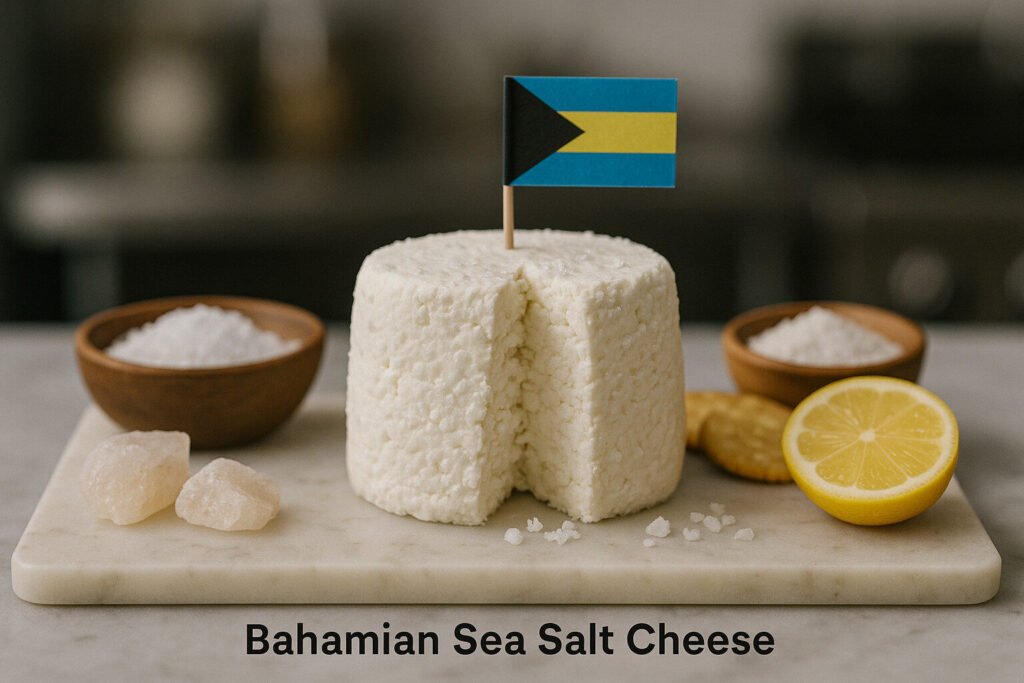
Bahamian Sea Salt Cheese typically forms small wheels weighing about 500 grams each. Its rind is thin and natural, often displaying a slight wrinkling from the cheesecloth. The paste inside is bright white and semi-soft with a moist, supple consistency.
Visible crystals of Bahamian sea salt dot the interior, providing a satisfying crunch. The cheese has a fat in dry matter content of approximately 45 percent. Its aroma is mild and milky with a distinct oceanic note from the salt.
Bahamian Sea Salt Cheese Varieties
Some producers make Bahamian Sea Salt Cheese with pure cow’s milk for a milder flavor. Others use goat’s milk, which adds a tangy complexity to the cheese. A third variety blends both milks to achieve a balanced profile.
Herb-infused versions incorporate local seasonings like thyme or pepper. These varieties may have a slightly firmer texture due to added ingredients. All types maintain the characteristic sea salt inclusion that defines the cheese.
History and Traditions of Bahamian Sea Salt Cheese
Bahamian Sea Salt Cheese originated in family kitchens on Out Islands generations ago. Settlers used salt from the extensive salt pans on islands like Inagua. They combined this resource with fresh milk from small herds to create a preserving method.
The Bahamas region is famous for its conch salad and rum production. Bahamian Sea Salt Cheese often appears at Junkanoo festivals and family gatherings. It symbolizes resourcefulness and the blending of land and sea in Bahamian culture.
Production Process and Producers
Milk for Bahamian Sea Salt Cheese comes from local dairy farms on New Providence and Grand Bahama. Producers heat the milk to 32°C before adding rennet for coagulation. The curds are cut, drained, and hand-mixed with coarse Bahamian sea salt.
The cheese molds age in humid conditions for two to four weeks. Main producers include Nassau Dairy Co., Freeport Creamery, and Eleuthera Artisan Cheeses. These establishments follow traditional methods while ensuring modern food safety standards.
Quality Labels and Certifications
As to our current knowledge, Bahamian Sea Salt Cheese does not hold protected designation of origin status. It may carry local Bahamian food safety certifications from the Ministry of Health. Some artisanal producers use “Made in The Bahamas” labels to denote authenticity.
Organic certification is rare but possible for small-scale farms. The cheese generally falls under general Caribbean food regulations. Consumers should look for producer seals that indicate handcrafted quality.
Wine or Beverage Pairings
Crisp white wines like Sauvignon Blanc complement the saltiness of Bahamian Sea Salt Cheese. Local Bahamian Kalik beer provides a refreshing contrast to its creamy texture. For a non-alcoholic option, try fresh coconut water or tart tamarind juice.
Aged rum from the Bahamas enhances the cheese’s briny notes. Sparkling wines cut through the richness effectively. Fruity cocktails with pineapple or guava also pair well with Bahamian Sea Salt Cheese.
Suitable Fruit and Vegetables
Sweet pineapple chunks balance the salt in Bahamian Sea Salt Cheese. Ripe mango slices add a tropical sweetness that contrasts beautifully. Fresh cucumber rounds provide a cool, crisp textural counterpoint.
Tomato wedges bring acidity that brightens the cheese’s flavor. Bell pepper strips contribute a slight bitterness. Avocado cubes offer creaminess that mirrors the cheese’s texture.
Suitable Meat and Fish dishes
Grilled snapper topped with melted Bahamian Sea Salt Cheese makes a delicious main course. The cheese forms a savory crust on the flaky white fish. It adds moisture and flavor to simple seafood preparations.
Jerk chicken benefits from crumbled Bahamian Sea Salt Cheese as a garnish. The cheese’s saltiness enhances the spicy marinade. It can be stuffed into chicken breasts before baking for added richness.
Presentation of Bahamian Sea Salt Cheese
Remove Bahamian Sea Salt Cheese from refrigeration one hour before serving. It should reach about 18°C to 20°C for optimal flavor release. Present it on a wooden cutting board or slate plate for a rustic look.
Arrange whole wedges or crumbled pieces alongside accompaniments. Use a cheese plane or sharp knife for slicing Bahamian Sea Salt Cheese. Provide small spreaders or forks for guests to serve themselves easily.
Questions and Answers about Bahamian Sea Salt Cheese
What is Bahamian Sea Salt Cheese?
Bahamian Sea Salt Cheese is a semi-soft cheese made in the Bahamas with local sea salt. It features a creamy texture and distinct briny flavor. Bahamian Sea Salt Cheese is popular in Caribbean cuisine.
How should I store Bahamian Sea Salt Cheese?
Store Bahamian Sea Salt Cheese in the refrigerator wrapped in wax paper. Keep Bahamian Sea Salt Cheese away from strong odors. Proper storage maintains the quality of Bahamian Sea Salt Cheese for up to three weeks.
Can I freeze Bahamian Sea Salt Cheese?
Freezing is not recommended for Bahamian Sea Salt Cheese. It can alter the texture of Bahamian Sea Salt Cheese. Always consume Bahamian Sea Salt Cheese fresh for the best experience.
How do I cut Bahamian Sea Salt Cheese?
Use a sharp knife to slice Bahamian Sea Salt Cheese into wedges. Cut Bahamian Sea Salt Cheese at room temperature for clean pieces. The rind of Bahamian Sea Salt Cheese is edible.
Where can I buy Bahamian Sea Salt Cheese?
Purchase Bahamian Sea Salt Cheese at specialty cheese shops in the Bahamas. Some international gourmet stores may carry Bahamian Sea Salt Cheese. Online retailers sometimes ship Bahamian Sea Salt Cheese.
What is the shelf life of Bahamian Sea Salt Cheese?
Bahamian Sea Salt Cheese typically lasts two to three weeks when refrigerated. Check Bahamian Sea Salt Cheese for mold before consumption. Fresh Bahamian Sea Salt Cheese has the best flavor.
Can I cook with Bahamian Sea Salt Cheese?
Yes, Bahamian Sea Salt Cheese melts well in cooked dishes. Use Bahamian Sea Salt Cheese in salads, pastas, or grilled items. Bahamian Sea Salt Cheese adds a salty kick to various recipes.
Is Bahamian Sea Salt Cheese vegetarian?
Bahamian Sea Salt Cheese uses animal rennet in traditional recipes. Some modern producers make vegetarian Bahamian Sea Salt Cheese. Check the label when buying Bahamian Sea Salt Cheese.
How is Bahamian Sea Salt Cheese different from other cheeses?
Bahamian Sea Salt Cheese contains unique sea salt from the Bahamas. The tropical climate influences the aging of Bahamian Sea Salt Cheese. Its flavor profile sets Bahamian Sea Salt Cheese apart.
What milk is used in Bahamian Sea Salt Cheese?
Bahamian Sea Salt Cheese primarily uses cow’s milk from local farms. Some varieties of Bahamian Sea Salt Cheese incorporate goat’s milk. The milk quality defines the character of Bahamian Sea Salt Cheese.
Recipe Ideas for Bahamian Sea Salt Cheese
Bahamian Sea Salt Cheese and Tropical Fruit Salad
This refreshing salad highlights the salty crunch of Bahamian Sea Salt Cheese. The combination with sweet fruits creates a perfect balance for warm weather dining. It serves as an excellent starter or light lunch option.
Bahamian Sea Salt Cheese adds protein and depth to the dish. You can prepare it ahead for convenience. The colors and textures make it visually appealing for guests.
- 200 grams Bahamian Sea Salt Cheese, cubed
- 1 ripe mango, diced
- 1 small pineapple, cut into chunks
- 100 grams mixed salad greens
- 2 tablespoons lime juice
- 1 tablespoon olive oil
- Fresh mint leaves for garnish
- Wash and dry the salad greens thoroughly.
- Combine mango and pineapple in a large bowl.
- Add the cubed Bahamian Sea Salt Cheese to the fruit.
- Whisk together lime juice and olive oil for dressing.
- Toss the greens with the fruit and cheese mixture.
- Drizzle the dressing over the salad and garnish with mint.
- Serve immediately while fresh.
Grilled Bahamian Sea Salt Cheese Skewers
These skewers showcase the melting quality of Bahamian Sea Salt Cheese. They work beautifully as appetizers or party food. The grilling process enhances the cheese’s savory character.
Bahamian Sea Salt Cheese holds its shape well on the grill. The recipe incorporates local vegetables for authenticity. It pairs wonderfully with dipping sauces or as part of a larger meal.
- 300 grams Bahamian Sea Salt Cheese, cut into 2 cm cubes
- 1 bell pepper, cut into chunks
- 1 red onion, quartered
- 2 tablespoons vegetable oil
- 1 teaspoon dried thyme
- Wooden skewers, soaked in water
- Preheat grill to medium-high heat.
- Thread cheese, pepper, and onion alternately onto skewers.
- Brush skewers lightly with vegetable oil.
- Sprinkle with dried thyme for seasoning.
- Grill for 3-4 minutes per side until cheese softens.
- Rotate carefully to prevent sticking.
- Serve hot off the grill.
Similar Cheeses and Alternatives
Feta cheese shares a similar salty profile with Bahamian Sea Salt Cheese but uses sheep’s milk. Halloumi from Cyprus also has a high salt content and grills well like Bahamian Sea Salt Cheese. Queso Blanco from Latin America offers a comparable fresh cheese experience without the sea salt crystals. French Fleur de Sel cheese incorporates premium sea salt in a manner reminiscent of Bahamian Sea Salt Cheese. For those seeking alternatives, these cheeses can substitute in recipes calling for Bahamian Sea Salt Cheese with minor adjustments to seasoning.