
In this article
Distinctive Features of Budz
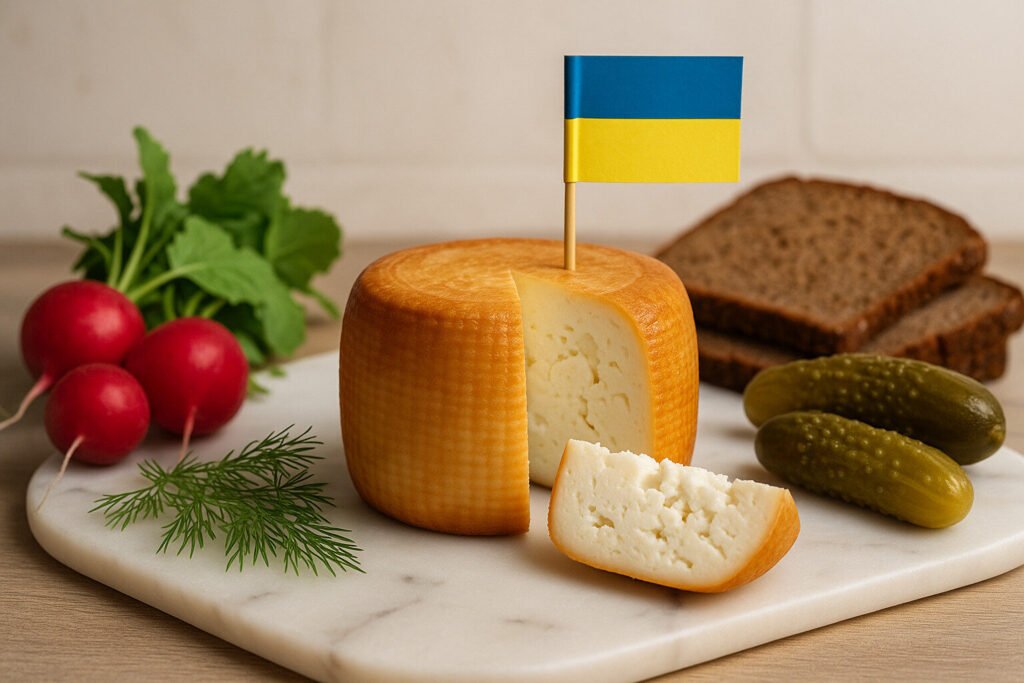
Budz typically presents as a small, cylindrical or block-shaped cheese weighing between 200 grams and 1 kilogram. Its exterior is pure white and often lacks a developed rind due to its fresh nature. The interior paste is uniformly white with a soft, moist texture that can be easily spread. This cheese has a high humidity level, usually around 50-60%, contributing to its creamy mouthfeel.
The consistency of Budz is pliable and smooth, similar to fresh curd cheese. It contains approximately 45-50% fat in dry matter, giving it a rich yet balanced flavor profile. Its aroma is mild and milky with subtle lactic notes. Budz melts beautifully when heated, making it ideal for cooked applications. The cheese’s simplicity allows its natural, tangy taste to shine through in various culinary uses.
Budz Cheese Varieties
Traditional Budz is primarily made from sheep’s milk, reflecting its Carpathian origins. Some producers create a cow’s milk version, which results in a milder flavor and slightly firmer texture. Goat’s milk Budz offers a more pronounced tang and is popular in modern adaptations. Each milk type influences the final cheese’s acidity and fat content.
Regional variations include Budz aged for a short period, developing a denser consistency. In western Ukraine, herbs like dill or garlic are sometimes mixed into the cheese. Smoked Budz is another variety, where the cheese is lightly smoked over beechwood for a subtle, smoky aroma. These adaptations allow Budz to cater to diverse palates while maintaining its core identity.
History and Traditions of Budz
Budz has deep roots in the Carpathian Mountains of Ukraine, where shepherds have produced it for centuries. This cheese originated as a practical way to preserve surplus milk during the grazing season. The region is famous for its pastoral culture and high-quality dairy products. Budz was traditionally made in small batches using time-honored methods passed down through generations.
The Carpathian area is also renowned for its honey, forest berries, and hearty breads that complement Budz. Local festivals often feature Budz in culinary competitions and tastings. Families in rural Ukraine still prepare Budz at home during summer months. This cheese symbolizes hospitality and is commonly served to guests as a sign of welcome. Its history is intertwined with Ukrainian folk traditions and seasonal celebrations.
Production Process and Producers
Budz production starts with fresh, unpasteurized sheep’s milk sourced from local Carpathian flocks. The milk is gently warmed to around 30-35 degrees Celsius before adding natural rennet. Curds form within a few hours and are carefully cut to release whey. This mixture is then drained in cloth bags or molds to achieve the desired consistency.
The cheese is lightly salted and may be brined briefly to enhance flavor. Ripening occurs over several days to weeks in cool, humid cellars. Main producers in Ukraine include small-scale artisans like Carpathian Dairy Cooperative, Hutsul Cheese Makers, and family farms in the Ivano-Frankivsk region. These producers emphasize traditional techniques to preserve Budz’s authentic character. Their methods ensure a high-quality product with consistent texture and taste.
Quality Labels and Certifications
As to our current knowledge, Budz does not hold a Protected Geographical Indication (PGI) or Protected Designation of Origin (PDO) status. However, some producers adhere to Ukrainian food safety standards and organic certifications. These labels ensure the cheese meets specific hygiene and quality benchmarks. Artisanal Budz makers often highlight their traditional methods as a mark of authenticity.
Local cooperatives may use sustainability labels to promote eco-friendly practices. Animal welfare certifications are rare but growing in importance among smaller farms. Consumers can look for “Traditional Ukrainian Product” seals on some packages. These certifications help distinguish authentic Budz from mass-produced alternatives. They provide assurance about the cheese’s origin and production ethics.
Wine or Beverage Pairings
Budz pairs excellently with crisp, acidic white wines like Ukrainian Odesa Riesling or international Sauvignon Blanc. These wines cut through the cheese’s creaminess and highlight its tangy notes. Local Carpathian fruit brandies, such as horilka with pepper, also complement Budz’s mild flavor. Beer enthusiasts can enjoy it with a light lager or pilsner.
For non-alcoholic options, try Budz with sparkling apple cider or herbal teas like mint. The cheese’s freshness balances well with bubbly beverages. Regional Ukrainian kvass, a fermented bread drink, offers a traditional pairing. Full-bodied red wines may overwhelm Budz, so lighter options are preferred. Experiment with local beverages to discover harmonious matches.
Suitable Fruit and Vegetables
Fresh apples and pears provide a sweet contrast to Budz’s tanginess. Their crisp texture complements the cheese’s softness. Tomatoes and cucumbers add juiciness and refreshment to Budz-based salads. Berries like strawberries or raspberries enhance the cheese with their natural acidity.
Roasted bell peppers or zucchini bring out Budz’s creamy notes in cooked dishes. Leafy greens such as arugula or spinach pair well in fresh arrangements. Pickled vegetables like gherkins or onions offer a sharp counterpoint. Seasonal fruits and vegetables ensure vibrant flavor combinations with Budz.
Suitable Meat and Fish Dishes
Budz works wonderfully with grilled chicken or turkey, adding moisture and flavor. It can be stuffed into poultry breasts or used as a topping. Cured meats like salami or ham create a savory balance with the cheese. Budz melts smoothly into meat sauces or stuffings.
For fish, Budz complements mild white fish such as cod or trout. Spread it on fish fillets before baking for a creamy crust. Smoked salmon and Budz make an elegant appetizer combination. Incorporate Budz into fish pies or patties for added richness. Its versatility allows it to enhance various protein-based recipes.
Presentation of Budz
Serve Budz on a wooden or ceramic platter to highlight its rustic appeal. Remove the cheese from the refrigerator about 30 minutes before serving. This allows it to reach an ideal temperature of 15-18 degrees Celsius. At this temperature, Budz’s flavors and aromas are most pronounced.
Arrange Budz in small wedges or slices for easy sharing. Garnish with fresh herbs or edible flowers for visual appeal. Use a cheese knife or spatula for serving to maintain its soft texture. For eating, provide small forks or spreaders to handle the cheese gently. Proper presentation enhances the overall tasting experience.
Questions and Answers about Budz
How should I store Budz cheese?
Store Budz cheese in the refrigerator at 4 degrees Celsius, wrapped in parchment paper or in an airtight container. This prevents it from drying out and maintains freshness. Consume Budz within one week of opening for best quality.
Can I freeze Budz cheese?
Freezing Budz cheese is not recommended, as it can alter the texture and make it grainy. Thawed Budz may lose its creamy consistency. It is best enjoyed fresh or refrigerated for short periods.
Where can I buy Budz cheese?
You can buy Budz cheese in specialty Ukrainian delis, farmers’ markets, or online stores that ship European products. Look for authentic sources in the Carpathian region for the traditional version. Some supermarkets in Ukraine also stock Budz.
What is the shelf life of Budz cheese?
The shelf life of Budz cheese is typically 2-3 weeks when unopened and properly refrigerated. Once opened, use Budz within 5-7 days. Always check for any off smells or mold before consumption.
How do I cut Budz cheese?
Cut Budz cheese with a warm, sharp knife to avoid sticking. Slice it into even portions for serving. For soft Budz, use a wire cutter or spatula. Handle gently to preserve its delicate structure.
Can I use Budz cheese in cooking?
Yes, you can use Budz cheese in cooking, as it melts well in sauces, fillings, and baked dishes. Add Budz to pierogi, salads, or spreads for enhanced flavor. Avoid high heat to prevent separation.
Is Budz cheese suitable for vegetarians?
Budz cheese may not be suitable for all vegetarians, as traditional versions use animal rennet. Check the label for microbial rennet if needed. Some producers offer vegetarian-friendly Budz options.
What milk is used in Budz cheese?
Budz cheese is primarily made from sheep’s milk, giving it a distinct tangy flavor. Cow’s or goat’s milk variations are also available. The milk type affects the fat content and texture of Budz.
How is Budz cheese different from bryndza?
Budz cheese is fresher and softer than bryndza, which is often more aged and salty. Budz has a milder acidity and creamier consistency. Both are Ukrainian cheeses but serve different culinary roles.
What dishes pair well with Budz cheese?
Budz cheese pairs well with bread, salads, and traditional Ukrainian dishes like varenyky. It enhances flavors in sandwiches and appetizers. Use Budz in both cold and warm recipes for versatility.
Recipe Ideas with Budz
Budz and Herb Stuffed Mushrooms
This appetizer highlights Budz’s creamy texture and pairs it with earthy mushrooms. The cheese melts beautifully inside the caps, creating a rich filling. Fresh herbs like dill and parsley enhance the flavor profile. It’s a simple yet impressive dish for gatherings.
Stuffed mushrooms are a popular choice in Ukrainian cuisine for their ease and elegance. Budz adds a local twist to this classic recipe. Serve them warm to appreciate the melted cheese’s smoothness. This dish works well as a starter or side.
- 12 large button mushrooms
- 150 grams Budz cheese, crumbled
- 2 tablespoons fresh dill, chopped
- 1 tablespoon olive oil
- Salt and pepper to taste
- 1 clove garlic, minced
- Preheat oven to 180 degrees Celsius.
- Clean mushrooms and remove stems.
- Mix Budz, dill, garlic, salt, and pepper in a bowl.
- Stuff each mushroom cap with the cheese mixture.
- Drizzle with olive oil and bake for 15-20 minutes until golden.
- Serve immediately.
Budz and Potato Varenyky
Varenyky are traditional Ukrainian dumplings often filled with potatoes and cheese. Budz provides a tangy contrast to the starchy potatoes. This recipe is comforting and perfect for family meals. The cheese filling stays moist and flavorful during cooking.
Using Budz in varenyky connects to its cultural roots in the Carpathians. The dumplings can be boiled or pan-fried for variety. Serve with sour cream and fried onions for authenticity. This dish showcases Budz’s versatility in hearty, traditional cooking.
- 300 grams all-purpose flour
- 150 milliliters warm water
- 1 egg
- 200 grams mashed potatoes
- 100 grams Budz cheese, crumbled
- 1 small onion, finely chopped
- Salt to taste
- Mix flour, water, and egg to form a dough. Rest for 30 minutes.
- Sauté onion until golden, then mix with potatoes and Budz.
- Roll dough thin and cut into circles.
- Place filling on each circle, fold, and seal edges.
- Boil varenyky in salted water for 3-5 minutes until they float.
- Drain and serve with toppings.
Similar Cheeses and Alternatives
Bryndza is a close relative to Budz, offering a saltier and more aged profile from the same region. Feta cheese from Greece shares a similar tangy taste but is often brined for longer. Romanian Cașcaval provides a firmer texture yet can be used in melted dishes like Budz. These alternatives maintain the fresh, acidic notes characteristic of Eastern European cheeses.
For a milder option, try Italian ricotta, which has a comparable softness and moisture content. French fromage blanc mirrors Budz’s creaminess and is excellent in spreads. If Budz is unavailable, blend cottage cheese with a touch of lemon juice to approximate its flavor. Exploring these cheeses can expand your culinary repertoire while honoring Budz’s unique qualities.