
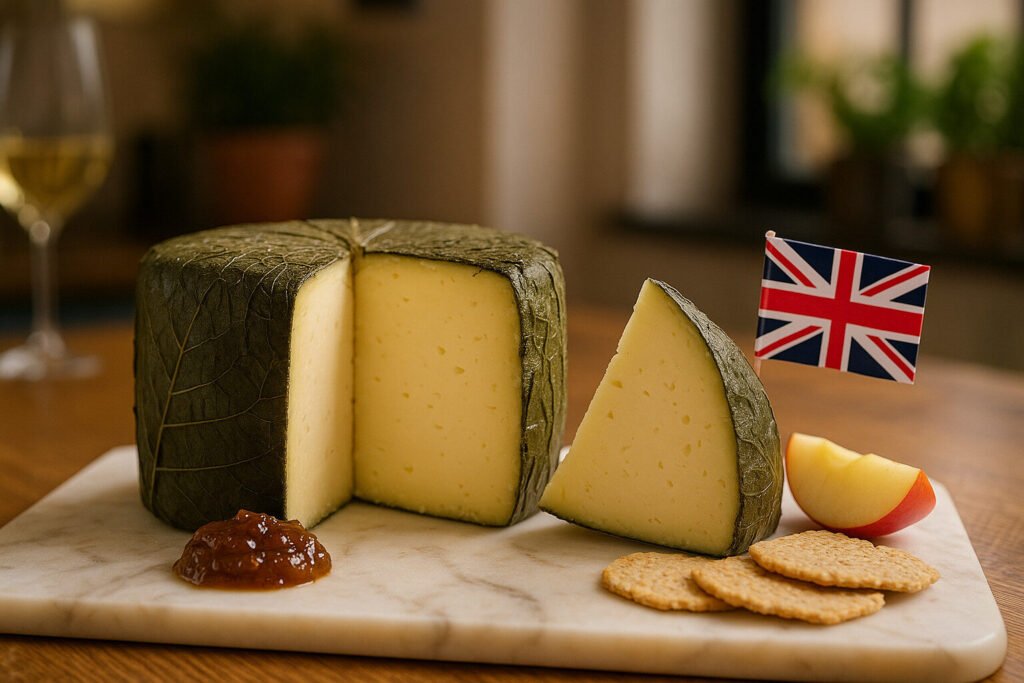
Cornish Yarg is a unique British cheese hailing from Cornwall, instantly recognizable by its edible nettle-wrapped rind. This semi-hard cow’s milk cheese offers a creamy, crumbly texture and a mild, tangy flavor that deepens with age. Artisans craft Cornish Yarg in small batches, making it a prized selection for cheese boards and culinary creations.
In this article
Distinctive Features of Cornish Yarg
Cornish Yarg typically forms a wheel weighing about 1.5 kilograms with a diameter of roughly 20 centimeters. Its most striking feature is the rind, completely enveloped in wild nettles that impart a subtle, herbal flavor and a green, speckled crust. The interior paste is pale yellow, boasting a smooth, creamy consistency that becomes delightfully crumbly after aging.
This cheese has a moisture content around 45 percent, classifying it as semi-hard. Young Cornish Yarg presents mild, lactic notes which evolve into nutty and earthy tones over several months. With a fat in dry matter of approximately 48 percent, it delivers a rich mouthfeel without excessive oiliness, appealing to those who enjoy balanced cheeses.
Cornish Yarg Varieties
Cornish Yarg is primarily produced in its classic form, using cow’s milk and a nettle wrapping. Some dairies offer a younger version aged for only 2-3 weeks, which is softer and has a fresher, more acidic profile. These variations allow consumers to experience different stages of the cheese’s development, from mild youth to complex maturity.
While no official sub-varieties exist, artisanal producers occasionally experiment with alternative wrappings like wild garlic leaves. Seasonal changes in the cows’ diet can also influence the milk, resulting in subtle shifts in the cheese’s texture and flavor throughout the year. This natural variability underscores the artisanal nature of Cornish Yarg, keeping each batch unique.
History and Traditions of Cornish Yarg
Cornish Yarg was revived in the 1980s by the Gray family in Cornwall, with its name being “Gray” spelled backwards. It draws inspiration from historical Cornish cheesemaking techniques where nettles were used to preserve and protect the cheese during aging. The region of Cornwall is also renowned for its Cornish pasties, fresh seafood, and traditional ciders, creating a rich gastronomic backdrop.
This cheese symbolizes a resurgence in traditional British artisan cheese production after a period of industrial dominance. It frequently appears at local food festivals and farmers’ markets, celebrating Cornwall’s agricultural heritage. Folklore suggests that the nettle wrapping method was rediscovered from old manuscripts, adding a layer of historical intrigue to its story.
Production Process and Producers
Cornish Yarg begins with pasteurized cow’s milk sourced from local farms in Cornwall. The milk is gently warmed and combined with rennet to form curds, which are then cut, drained, and pressed into circular molds. After pressing, each cheese is hand-wrapped in nettles and aged for 2 to 3 months in controlled, humid environments to develop its characteristic rind and flavor.
The primary producer of Cornish Yarg is Lynher Dairies, located in Ponsanooth, Cornwall. Other artisanal makers in the region may create similar styles, but Lynher Dairies remains the most recognized name. These producers emphasize small-batch craftsmanship, ensuring each wheel of Cornish Yarg meets high quality standards and stays true to its roots.
Quality Labels and Certifications
As to our current knowledge, Cornish Yarg does not hold a Protected Designation of Origin (PDO) or Protected Geographical Indication (PGI) status. However, it is often produced following rigorous artisanal standards, and some versions may carry organic certifications if made with organically sourced milk. These practices highlight a commitment to quality and sustainability without formal EU protection.
Producers might use labels indicating the use of local Cornish milk and traditional methods, which serve as informal assurances of authenticity. While not backed by official geographical indications, these markers help consumers identify cheeses made with care and respect for regional traditions. This approach supports local agriculture and preserves the cheese’s unique character.
Wine or Beverage Pairings
Cornish Yarg pairs beautifully with crisp, acidic white wines such as Sauvignon Blanc or English Bacchus, which complement its tangy notes. Local Cornish ciders, with their refreshing effervescence and slight sweetness, also make excellent matches. These beverages cut through the cheese’s creaminess, enhancing the overall tasting experience.
For non-alcoholic options, try apple juice or sparkling water to balance the mild flavors of Cornish Yarg. The carbonation in sparkling drinks cleanses the palate between bites. Beer enthusiasts might enjoy a pale ale or lager, as the hoppy bitterness contrasts nicely with the cheese’s earthy undertones.
Suitable Fruit and Vegetables
Fresh apples and pears are ideal partners for Cornish Yarg, their sweetness offsetting the cheese’s subtle tang. Grapes and figs add a juicy, fragrant element that harmonizes with the nettle rind. These fruits can be served alongside the cheese on a platter for a balanced flavor profile.
Vegetables like celery sticks and radishes provide a crisp, clean contrast to the creamy texture of Cornish Yarg. Roasted beetroot or caramelized onions bring out the cheese’s nutty flavors when used in salads or tarts. Incorporating these vegetables into dishes allows the cheese to shine in both raw and cooked applications.
Suitable Meat and Fish dishes
Cornish Yarg melts superbly in traditional Cornish pasties, enriching fillings with ham or chicken. Its creamy consistency adds depth to quiches and tarts without overwhelming other ingredients. This versatility makes it a favorite for hearty, comforting meals that feature local meats.
For fish dishes, Cornish Yarg works well in seafood gratins or stuffed into white fish fillets like cod. The cheese’s mild flavor complements the delicate taste of fish without masking it. Such pairings highlight Cornwall’s coastal cuisine, blending land and sea elements seamlessly.
Presentation of Cornish Yarg
Serve Cornish Yarg at room temperature, around 18-20°C, to allow its full aroma and flavor to emerge. Remove the cheese from refrigeration at least one hour before serving. Present it on a wooden board or slate platter to accentuate its rustic, nettle-covered appearance.
Arrange the cheese as a whole wheel or cut into wedges, providing a sharp cheese knife for easy slicing. Accompany with crusty bread, crackers, and condiments like chutney or honey. Use appropriate cutlery such as a cheese plane or knife for preparation and serving, ensuring guests can enjoy the cheese without difficulty.
Questions and Answers about Cornish Yarg
What is Cornish Yarg cheese?
Cornish Yarg is a semi-hard British cheese from Cornwall, made from cow’s milk and wrapped in edible nettles. It has a creamy, crumbly texture and a mild, tangy flavor that develops with aging. Cornish Yarg is known for its distinctive appearance and artisanal production methods.
How should I store Cornish Yarg cheese?
Store Cornish Yarg in the refrigerator, wrapped in wax paper or cheese paper to maintain humidity. Keep it in the vegetable drawer where temperatures are consistent. Proper storage of Cornish Yarg helps preserve its texture and flavor for up to two weeks.
What is the shelf life of Cornish Yarg cheese?
Cornish Yarg typically has a shelf life of about 2-3 weeks when stored correctly in the refrigerator. Once cut, consume Cornish Yarg within a week for optimal quality. Aging Cornish Yarg beyond this period may intensify its flavors but reduce freshness.
How do I cut Cornish Yarg cheese?
Use a sharp knife to slice Cornish Yarg, cutting through the nettle rind cleanly. Aim for wedges or slices that include both rind and paste. Cutting Cornish Yarg properly ensures even portions and preserves its aesthetic appeal on a cheese board.
Where can I buy Cornish Yarg cheese?
You can purchase Cornish Yarg at specialty cheese shops, farmers’ markets, and online retailers in the UK. Many gourmet stores outside the UK also stock Cornish Yarg due to its popularity. Look for Cornish Yarg from reputable producers like Lynher Dairies for authenticity.
Can I eat the rind of Cornish Yarg cheese?
Yes, the nettle rind of Cornish Yarg is edible and adds a subtle herbal flavor. It is safe to consume and enhances the overall tasting experience. Eating the rind of Cornish Yarg is encouraged to appreciate its full character.
What milk is used in Cornish Yarg cheese?
Cornish Yarg is made from pasteurized cow’s milk sourced from Cornish farms. The milk gives Cornish Yarg its creamy texture and mild base flavor. Using local milk is key to maintaining the traditional profile of Cornish Yarg.
How long is Cornish Yarg cheese aged?
Cornish Yarg is aged for approximately 2 to 3 months in humid conditions. This aging period allows Cornish Yarg to develop its crumbly texture and complex notes. Longer aging of Cornish Yarg can produce a firmer cheese with stronger flavors.
Is Cornish Yarg cheese suitable for cooking?
Yes, Cornish Yarg melts well and is excellent for use in pasties, tarts, and gratins. Its mild flavor makes Cornish Yarg versatile in both hot and cold dishes. Cooking with Cornish Yarg adds a creamy, tangy element to recipes.
What makes Cornish Yarg cheese unique?
Cornish Yarg is unique due to its nettle-wrapped rind, which sets it apart from other British cheeses. The wrapping process for Cornish Yarg is done by hand, emphasizing its artisanal nature. This distinctive feature of Cornish Yarg contributes to its visual appeal and flavor profile.
Recipe Ideas
Cornish Yarg and Leek Tart
This tart showcases the creamy texture of Cornish Yarg, balanced with the mild sweetness of leeks. It makes an elegant starter or light main course, perfect for showcasing British ingredients. The nettle rind adds a subtle earthiness that complements the leeks beautifully.
Preparing this dish allows the flavors of Cornish Yarg to meld with eggs and pastry for a satisfying result. Serve it warm or at room temperature for best taste. This recipe highlights the versatility of Cornish Yarg in baked goods.
- 1 sheet of puff pastry
- 200 grams of Cornish Yarg, grated
- 2 medium leeks, thinly sliced
- 2 eggs
- 100 milliliters of double cream
- Salt and pepper to taste
- 1 tablespoon of olive oil
- Preheat the oven to 200°C and line a tart tin with puff pastry.
- Sauté the leeks in olive oil until soft, then let them cool.
- Whisk together eggs, cream, salt, and pepper in a bowl.
- Spread the leeks over the pastry base and sprinkle with grated Cornish Yarg.
- Pour the egg mixture over the top and bake for 25-30 minutes until golden.
- Allow to cool slightly before serving.
Cornish Yarg Stuffed Chicken Breast
This recipe stuffs chicken breasts with Cornish Yarg and herbs for a juicy, flavorful main dish. The cheese melts inside, keeping the chicken moist and adding a tangy contrast. It is an excellent way to elevate a simple protein with the unique taste of Cornish Yarg.
Using Cornish Yarg in this dish introduces a British twist to classic stuffed chicken. The nettle rind can be included for extra flavor or removed based on preference. This meal pairs well with roasted vegetables or a fresh salad for a complete dinner.
- 4 chicken breasts
- 150 grams of Cornish Yarg, sliced
- 2 cloves of garlic, minced
- 1 tablespoon of fresh thyme
- Salt and pepper to taste
- 1 tablespoon of olive oil
- Preheat the oven to 180°C and prepare a baking dish.
- Make a pocket in each chicken breast without cutting through.
- Stuff with slices of Cornish Yarg, garlic, and thyme.
- Season the outside with salt, pepper, and olive oil.
- Bake for 25-30 minutes until the chicken is cooked through.
- Rest for 5 minutes before slicing and serving.
Similar Cheeses and Alternatives
If you enjoy Cornish Yarg, you might appreciate other British cheeses like Perl Wen, which also features a leaf-wrapped rind but uses cow’s milk and has a softer texture. Another alternative is Lord of the Hundreds, a hard sheep’s milk cheese from Sussex, offering a sharper flavor profile. These cheeses share artisanal qualities and regional pride, though Cornish Yarg remains distinct with its nettle coating.
Internationally, French cheeses like Tomme de Savoie provide a similar semi-hard, mild experience without the wrapped rind. For those seeking a nettle-like element, some Dutch cheeses use herb coatings, but none replicate the exact character of Cornish Yarg. Exploring these options can broaden your cheese appreciation while honoring the uniqueness of Cornish Yarg.