
In this article
Distinctive Features of Fromage de Lait de Chèvre
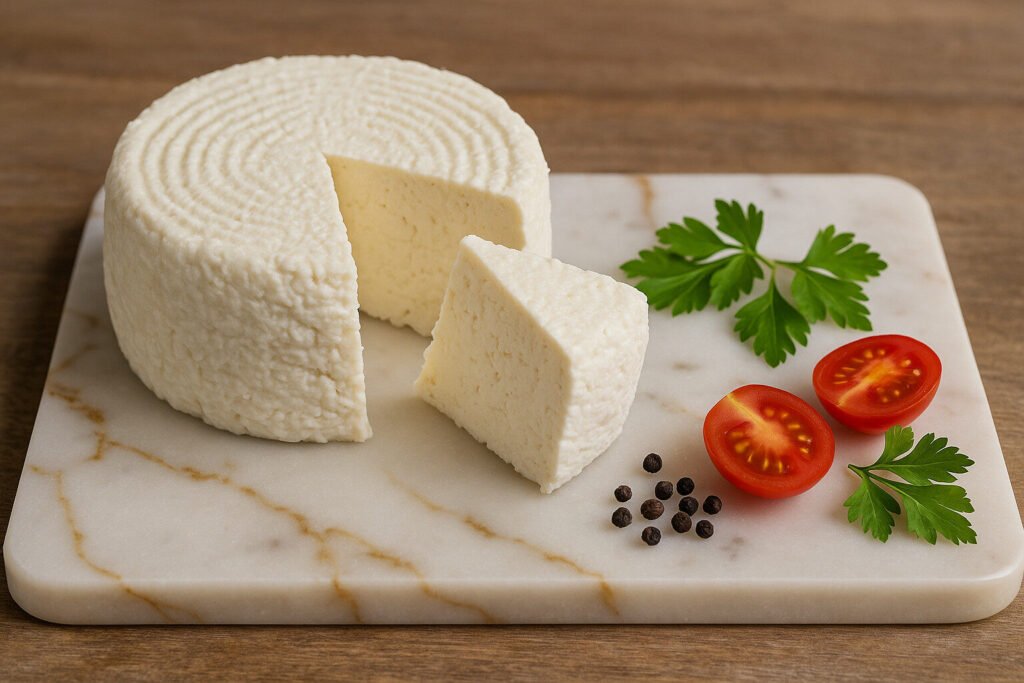
Fromage de Lait de Chèvre typically forms small wheels weighing between 200 and 500 grams. Its rind is thin and natural, often displaying a whitish to light beige color. The interior paste is bright white and possesses a soft, spreadable consistency. This cheese has a high humidity level, giving it a moist and creamy texture.
The flavor profile is distinctly tangy and slightly acidic, with fresh grassy notes. It contains approximately 45% fat in dry matter, contributing to its rich mouthfeel. Artisans age Fromage de Lait de Chèvre for a short period, usually two to four weeks. This brief aging develops its characteristic aroma without overpowering the delicate goat’s milk essence.
Fromage de Lait de Chèvre Varieties
Haitian producers create several varieties of Fromage de Lait de Chèvre to suit different tastes. The fresh variety is unaged and very moist, ideal for immediate consumption. Another common type is lightly salted and air-dried for a firmer texture. Some versions incorporate local herbs like thyme or pikliz spices for added flavor.
Regional adaptations include smoked Fromage de Lait de Chèvre, exposed to local wood smoke. Artisans in mountainous areas produce a denser, longer-aged version. Coastal producers sometimes add sea salt or citrus zest to the cheese. These variations reflect the diverse microclimates and culinary preferences across Haiti.
History and Traditions of Fromage de Lait de Chèvre
Fromage de Lait de Chèvre has deep roots in Haiti’s rural farming heritage. French colonists introduced dairy goats and cheese-making techniques centuries ago. Haitian farmers adapted these methods using local resources and breeds. The cheese became a staple protein source in many households.
This region is famous for its vibrant food culture, including dishes like griot and diri ak pwa. Fromage de Lait de Chèvre often appears at family gatherings and religious festivals. Traditional stories tell of cheese being shared during Haitian Independence celebrations. The cheese symbolizes resilience and self-sufficiency in Haitian agriculture.
Production Process and Producers
Producers source milk from Creole goats raised on small Haitian farms. They milk the animals by hand each morning for freshness. The milk undergoes gentle pasteurization or is used raw in traditional methods. Artisans add vegetable rennet to coagulate the milk into curds.
Workers drain the whey and press the curds into molds for shaping. The cheese ages on wooden shelves in cool, humid cellars. Main producers in Haiti include Fromagerie La Belle, Ferme Nourricière, and Artisanal Cheesemakers Cooperative. These producers maintain small-scale operations focused on quality and tradition.
Quality Labels and Certifications
As to our current knowledge, Fromage de Lait de Chèvre does not hold protected designation of origin status. Some producers may participate in local organic certification programs. These programs verify the use of natural feed and humane animal treatment.
Haitian agricultural authorities occasionally issue artisanal labels for traditional methods. These labels help consumers identify cheeses made with time-honored techniques. However, formal quality assurance systems are still developing in the region. Producers often rely on community trust and word-of-mouth for quality verification.
Wine or Beverage Pairings
Fromage de Lait de Chèvre pairs beautifully with crisp white wines like Sauvignon Blanc. The wine’s acidity complements the cheese’s tangy notes. Haitian Clairin rum offers a local spirit pairing with herbal undertones. Light Belgian-style ales from Haitian microbreweries also match well.
For non-alcoholic options, try fresh coconut water or passion fruit juice. These beverages highlight the cheese’s freshness and Caribbean origins. Sparkling water with lime cleanses the palate between bites. Regional coffee varieties provide a contrasting bitter note to the creamy cheese.
Suitable Fruit and Vegetables
Fresh mango slices bring sweetness that balances Fromage de Lait de Chèvre’s acidity. Ripe avocados contribute a creamy texture that enhances the cheese. Plantain chips offer a crispy contrast to the soft cheese. Haitian pikliz, a spicy pickled vegetable relish, adds exciting heat.
Grilled eggplant absorbs the cheese’s flavors beautifully in cooked dishes. Sweet peppers provide color and a mild crunch. Fresh tomatoes and basil create a classic Mediterranean-inspired combination. Local callaloo greens wilted with cheese make a nutritious side dish.
Suitable Meat and Fish Dishes
Fromage de Lait de Chèvre melts perfectly over grilled goat meat kabobs. The cheese adds richness to traditional Haitian lambi conch stew. Crumbled cheese enhances the flavor of tasso ham and bean dishes. It makes an excellent stuffing for roasted chicken or fish.
Try topping fried akra fish cakes with melted Fromage de Lait de Chèvre. The cheese pairs well with spicy pork griot in sandwich form. Incorporate it into seafood pasta sauces for extra creaminess. Use it as a binding agent in meatballs or burger patties.
Presentation of Fromage de Lait de Chèvre
Remove Fromage de Lait de Chèvre from refrigeration one hour before serving. The ideal serving temperature is 18 to 20 degrees Celsius. Present the cheese on a wooden cutting board or ceramic platter. Arrange whole small wheels or slices in a circular pattern.
Use a cheese wire or sharp knife for clean cuts through the soft texture. Provide small spreaders or cheese knives for guests to serve themselves. Accompany with Haitian cassava bread or crispy baguette slices. Garnish the plate with fresh herbs or edible flowers for color.
Questions and Answers about Fromage de Lait de Chèvre
What is Fromage de Lait de Chèvre?
Fromage de Lait de Chèvre is a traditional Haitian cheese made exclusively from goat’s milk. It features a soft texture and tangy flavor profile. Fromage de Lait de Chèvre represents an important part of Haiti’s dairy heritage.
How should I store Fromage de Lait de Chèvre?
Store Fromage de Lait de Chèvre in the refrigerator at 4 degrees Celsius. Keep it wrapped in wax paper inside an airtight container. Fromage de Lait de Chèvre stays fresh for up to two weeks when properly stored.
Can I freeze Fromage de Lait de Chèvre?
Freezing Fromage de Lait de Chèvre is not recommended as it alters the texture. The high moisture content causes ice crystals that damage the cheese structure. For best quality, consume Fromage de Lait de Chèvre fresh or properly refrigerated.
How do I cut Fromage de Lait de Chèvre?
Use a wire cutter or very sharp knife to cut Fromage de Lait de Chèvre. Cut small wedges from the wheel to preserve its shape. Fromage de Lait de Chèvre cuts best when slightly chilled but served at room temperature.
Where can I buy Fromage de Lait de Chèvre?
Purchase Fromage de Lait de Chèvre at Haitian specialty markets or local fromageries. Some producers sell directly at farmers markets in Port-au-Prince. International gourmet shops may carry Fromage de Lait de Chèvre in their cheese selections.
What is the shelf life of Fromage de Lait de Chèvre?
Fresh Fromage de Lait de Chèvre lasts about 10-14 days in refrigeration. Aged versions may keep for three to four weeks. Always check for off odors or mold before consuming Fromage de Lait de Chèvre.
Can I cook with Fromage de Lait de Chèvre?
Fromage de Lait de Chèvre melts beautifully in hot dishes and sauces. It adds creaminess to gratins and stuffed vegetables. Fromage de Lait de Chèvre also works well crumbled over salads or pizzas.
Is Fromage de Lait de Chèvre lactose-free?
Fromage de Lait de Chèvre contains less lactose than cow’s milk cheeses. The aging process further reduces lactose content. However, Fromage de Lait de Chèvre is not completely lactose-free and may affect sensitive individuals.
How is Fromage de Lait de Chèvre different from French chèvre?
Fromage de Lait de Chèvre uses Haitian goat breeds and local production methods. It often has a milder tang than French versions. The terroir gives Fromage de Lait de Chèvre unique Caribbean flavor notes.
What nutrients does Fromage de Lait de Chèvre provide?
Fromage de Lait de Chèvre offers high-quality protein and calcium. It contains beneficial fatty acids from goat’s milk. Fromage de Lait de Chèvre also provides vitamins A and B2 in significant amounts.
Recipe Ideas
Fromage de Lait de Chèvre and Plantain Tart
This tart combines the creaminess of Fromage de Lait de Chèvre with sweet Haitian plantains. The recipe showcases how well the cheese pairs with tropical fruits. It makes an impressive appetizer or light main course. Fromage de Lait de Chèvre adds a tangy contrast to the caramelized plantains.
You can prepare the tart in about 45 minutes with simple ingredients. The cheese melts beautifully over the plantain base. Serve it warm from the oven for the best texture. This dish highlights the versatility of Fromage de Lait de Chèvre in Caribbean cooking.
- 200g Fromage de Lait de Chèvre, crumbled
- 2 ripe plantains, sliced
- 1 pre-rolled puff pastry sheet
- 1 red onion, thinly sliced
- 2 tablespoons olive oil
- 1 teaspoon fresh thyme leaves
- Salt and pepper to taste
- Preheat your oven to 200 degrees Celsius.
- Lay the puff pastry on a baking sheet.
- Sauté plantain slices and onion in olive oil until golden.
- Spread the plantain mixture over the pastry.
- Sprinkle crumbled Fromage de Lait de Chèvre evenly.
- Bake for 20 minutes until pastry is puffed and golden.
- Garnish with fresh thyme before serving.
Grilled Fromage de Lait de Chèvre Salad
This salad features grilled slices of Fromage de Lait de Chèvre over fresh greens. The heating process enhances the cheese’s creamy texture. It creates a warm salad perfect for lunch or dinner. Fromage de Lait de Chèvre develops a delicious crust when grilled.
The recipe uses typical Haitian garden vegetables for authenticity. A simple vinaigrette ties all the flavors together beautifully. You can assemble the dish in under 30 minutes. Grilled Fromage de Lait de Chèvre adds protein and richness to the salad.
- 150g Fromage de Lait de Chèvre, cut into 4 slices
- 4 cups mixed salad greens
- 1 cucumber, sliced
- 1 mango, diced
- 2 tablespoons Haitian lime vinaigrette
- 1 tablespoon honey
- 2 teaspoons olive oil for grilling
- Brush cheese slices lightly with olive oil.
- Grill cheese for 2 minutes per side until marked.
- Toss greens, cucumber and mango with vinaigrette.
- Arrange salad on two plates.
- Top each salad with two grilled cheese slices.
- Drizzle with honey for added sweetness.
- Serve immediately while cheese is warm.
Similar Cheeses and Alternatives
French Chèvre offers the closest comparison to Fromage de Lait de Chèvre in texture and taste. However, the Haitian version typically has a milder acidity and creamier consistency. Dominican Queso de Hoja shares similar production methods but uses different local molds. Venezuelan Queso de Mano provides a firmer alternative with comparable tangy notes.
For those seeking non-goat options, Haitian Tomme-style cow’s milk cheeses might appeal. Greek Feta can substitute in salads though it is saltier and more crumbly. Fresh Mexican Queso Blanco works well in cooked dishes requiring melting. Always consider the specific recipe needs when choosing an alternative to Fromage de Lait de Chèvre.