
In this article
Distinctive Features of Fromage frais de Bamako
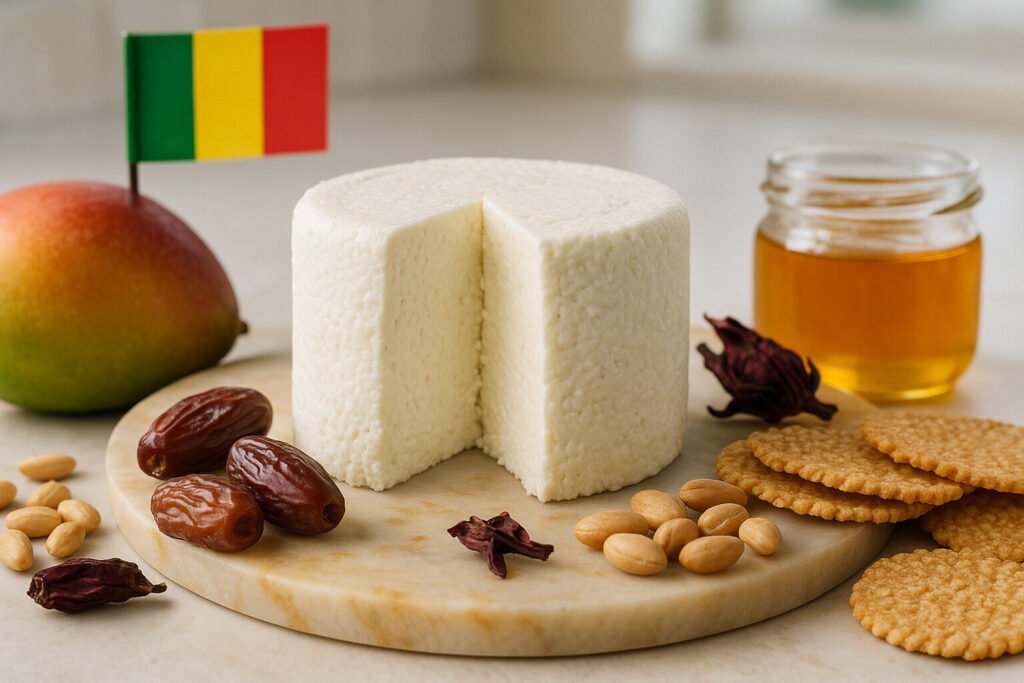
Fromage frais de Bamako typically presents in small, hand-formed disks weighing about 200 to 300 grams each. Its surface is pure white and slightly moist, with no developed rind due to its fresh nature. The cheese boasts a soft, spreadable texture that is both creamy and slightly grainy, similar to fine cottage cheese.
This cheese has a high humidity level, often around 65%, which contributes to its short shelf life. Its flavor profile is mild and lactic, with a gentle tang that reflects the quality of the local milk. Fromage frais de Bamako maintains a consistent, pale color throughout, without any added coloring or preservatives.
Cheese Varieties of Fromage frais de Bamako
Local adaptations of Fromage frais de Bamako include versions with added herbs like parsley or mint for enhanced flavor. Some producers in rural areas create a smoked variety by briefly exposing the cheese to wood smoke, adding a subtle depth. These variations remain true to the fresh, unpressed style of the original Bamako cheese.
Another variety incorporates chili peppers or local spices, catering to Mali’s preference for bold tastes. In neighboring regions, cheesemakers might use goat’s milk instead of cow’s milk, resulting in a slightly tangier product. Despite these differences, all varieties retain the high moisture and soft texture characteristic of Fromage frais de Bamako.
History and Traditions of Fromage frais de Bamako
Fromage frais de Bamako has roots in Mali’s urban centers, where dairy processing gained popularity in the 20th century. It emerged as a way to utilize surplus milk from local Zebu cattle herds in the Bamako region. The cheese became a staple in daily meals, reflecting Mali’s blend of agricultural and urban lifestyles.
Bamako is also famous for its vibrant markets and dishes like tô (millet porridge) and maafe (peanut stew). Traditions around Fromage frais de Bamako include serving it during family gatherings and religious festivals as a symbol of hospitality. Stories passed down through generations highlight its role in community feasts, where it is often shared fresh from the maker.
Production Process and Producers
Fromage frais de Bamako starts with fresh, unpasteurized cow’s milk sourced from local Mali herds. Cheesemakers heat the milk to about 30°C and add natural rennet to form curds, which are then gently cut and drained. The curds are not pressed or aged, resulting in a high-moisture cheese ready for consumption within hours.
Main producers in Mali include Laiterie du Mali, small-scale artisans in Bamako, and cooperatives in surrounding villages. These producers follow traditional methods, often hand-ladling the curds into molds. The cheese is typically sold locally in markets, emphasizing its fresh and artisanal qualities.
Quality Labels and Certifications
As to our current knowledge, Fromage frais de Bamako does not hold protected designations like PDO or PGI. However, some producers may adhere to Mali’s national food safety standards, which ensure hygiene and quality in dairy products. These local guidelines help maintain the cheese’s authenticity and safety for consumers.
Artisanal labels are sometimes used by small producers to highlight handmade techniques. While organic certifications are rare, a few farms may follow sustainable practices, though this is not widespread. Consumers often rely on trust in local makers rather than formal certifications for Fromage frais de Bamako.
Wine or Beverage Pairings
Fromage frais de Bamako pairs wonderfully with light, crisp white wines such as Sauvignon Blanc or Vinho Verde. These wines complement the cheese’s mild acidity and creamy texture without overpowering it. Regional beverages like bissap, a hibiscus infusion, or sweet palm wine also enhance its fresh qualities.
For a non-alcoholic option, mint tea or citrus-based juices work well with Fromage frais de Bamako. The cheese’s subtle tang balances the sweetness of these drinks, creating a refreshing combination. International pairings include Prosecco or light beers, which cleanse the palate between bites.
Suitable Fruit and Vegetables
Fromage frais de Bamako excels with fresh fruits like sliced mangoes, bananas, or papayas. These fruits add natural sweetness that contrasts with the cheese’s mild tang. Tomatoes and cucumbers also pair nicely, providing a crisp, hydrating element to cheese-based salads.
Leafy greens such as lettuce or spinach can be used as beds for serving Fromage frais de Bamako. Roasted vegetables like bell peppers or eggplants bring out its creamy texture in cooked dishes. The cheese’s versatility allows it to blend seamlessly with both raw and prepared produce.
Suitable Meat and Fish dishes
Fromage frais de Bamako complements grilled chicken or fish dishes common in Malian cuisine. Its creaminess can be used as a topping or stuffing for poultry, adding moisture and flavor. The cheese also pairs well with spicy sausages or beef brochettes, balancing their robust tastes.
In seafood applications, Fromage frais de Bamako works as a filling for baked fish or a sauce for shrimp. It should be added at the end of cooking to preserve its fresh texture. The cheese’s mildness does not overpower delicate proteins, making it a versatile addition to many meat and fish recipes.
Presentation of Fromage frais de Bamako
Present Fromage frais de Bamako on a simple ceramic or wooden plate to highlight its rustic charm. Remove it from the refrigerator 30 minutes before serving to reach an ideal temperature of 15-18°C. This allows the cheese’s flavors to fully develop and its texture to become creamier.
Arrange the cheese whole or sliced, accompanied by fruits, nuts, or bread for contrast. Use a cheese knife or spreader for preparation and serving to maintain its delicate structure. For eating, provide small forks or spoons to scoop the soft Fromage frais de Bamako easily.
Questions and Answers about Fromage frais de Bamako
What is Fromage frais de Bamako?
Fromage frais de Bamako is a fresh, soft cheese made in Bamako, Mali, from cow’s milk. It is known for its high moisture content and mild, tangy flavor. Fromage frais de Bamako is typically consumed shortly after production.
How should I store Fromage frais de Bamako?
Store Fromage frais de Bamako in the refrigerator at 4°C to maintain its freshness. Keep it in an airtight container to prevent drying out. Fromage frais de Bamako has a short shelf life of about 3-5 days.
Can I freeze Fromage frais de Bamako?
Freezing Fromage frais de Bamako is not recommended as it can alter its texture and cause separation. Fromage frais de Bamako is best enjoyed fresh to preserve its creamy consistency. Thawing may result in a watery product.
How do I cut Fromage frais de Bamako?
Cut Fromage frais de Bamako with a warm, sharp knife to avoid sticking. Fromage frais de Bamako is soft and spreadable, so gentle slicing works best. Serve it in wedges or scoops depending on the dish.
Where can I buy Fromage frais de Bamako?
Buy Fromage frais de Bamako in local markets in Mali or from specialty African grocery stores abroad. Fromage frais de Bamako may also be available online through importers. Always check for freshness when purchasing Fromage frais de Bamako.
What is the fat content of Fromage frais de Bamako?
Fromage frais de Bamako has a fat in dry matter of approximately 20-25%, depending on the milk used. This gives Fromage frais de Bamako a rich yet light mouthfeel. The cheese is not overly fatty, making it a healthy option.
Can I use Fromage frais de Bamako in cooking?
Yes, Fromage frais de Bamako is excellent in cooking, especially in sauces, fillings, or as a topping. Fromage frais de Bamako melts gently and adds creaminess to dishes. Avoid high heat to prevent Fromage frais de Bamako from curdling.
Is Fromage frais de Bamako suitable for vegetarians?
Fromage frais de Bamako may not be vegetarian if animal rennet is used in production. Check with the producer for details on Fromage frais de Bamako ingredients. Some versions of Fromage frais de Bamako use microbial rennet, making them vegetarian-friendly.
How long does Fromage frais de Bamako last after opening?
Fromage frais de Bamako should be consumed within 1-2 days after opening for optimal quality. Fromage frais de Bamako is highly perishable due to its fresh nature. Discard Fromage frais de Bamako if it develops an off smell or mold.
What dishes pair well with Fromage frais de Bamako?
Fromage frais de Bamako pairs well with salads, breads, and fruit platters. Fromage frais de Bamako can also be used in traditional Malian recipes like maafe. Its versatility makes Fromage frais de Bamako a favorite in many culinary applications.
Recipe Ideas
Fromage frais de Bamako and Herb Stuffed Tomatoes
This recipe highlights the creamy texture of Fromage frais de Bamako in a vibrant, vegetarian dish. The cheese blends beautifully with fresh herbs and juicy tomatoes, creating a refreshing appetizer or side. Fromage frais de Bamako adds a mild tang that balances the sweetness of the tomatoes, making it perfect for summer meals.
Using ripe, firm tomatoes ensures they hold their shape when baked or served raw. Fromage frais de Bamako should be at room temperature for easy mixing with other ingredients. This dish showcases how Fromage frais de Bamako can elevate simple, fresh produce into a gourmet experience.
- 4 large tomatoes
- 200 grams Fromage frais de Bamako
- 2 tablespoons chopped fresh parsley
- 1 tablespoon chopped mint
- 1 clove garlic, minced
- Salt and pepper to taste
- 1 tablespoon olive oil
- Preheat the oven to 180°C if baking.
- Cut the tops off the tomatoes and scoop out the seeds and pulp.
- In a bowl, mix Fromage frais de Bamako, parsley, mint, garlic, salt, and pepper.
- Stuff the tomato cavities with the cheese mixture.
- Drizzle with olive oil and bake for 15 minutes, or serve raw.
- Garnish with extra herbs before serving.
Grilled Fish with Fromage frais de Bamako Sauce
This recipe uses Fromage frais de Bamako to create a light, creamy sauce for grilled fish. The cheese’s freshness complements the smoky flavors of the grill without overpowering the delicate fish. Fromage frais de Bamako melts smoothly into the sauce, adding body and a subtle tang.
Choose firm white fish like tilapia or sea bass for best results. Fromage frais de Bamako should be added off the heat to prevent curdling. This dish demonstrates how Fromage frais de Bamako can be incorporated into main courses for a touch of Malian flair.
- 4 fish fillets (about 150 grams each)
- 150 grams Fromage frais de Bamako
- 1 lemon, juiced
- 2 tablespoons chopped cilantro
- 1 small onion, finely chopped
- 1 tablespoon vegetable oil
- Salt and pepper to taste
- Season fish fillets with salt, pepper, and half the lemon juice.
- Grill the fish over medium heat for 4-5 minutes per side until cooked.
- In a saucepan, heat oil and sauté onion until soft.
- Remove from heat and stir in Fromage frais de Bamako, remaining lemon juice, and cilantro.
- Pour the sauce over the grilled fish and serve immediately.
Similar Cheeses and Alternatives
Fromage frais de Bamako shares similarities with other fresh cheeses like French fromage blanc or Mexican queso fresco. These cheeses also feature high moisture, mild flavors, and a soft, spreadable texture, though they may use different milk types or cultural techniques. Chefs seeking alternatives might consider these for their comparable freshness and versatility in recipes.
In West Africa, similar cheeses include Nigerian wara or Ghanaian fresh cheese, which are often made from local milk and consumed quickly. These alternatives highlight the regional diversity of fresh dairy products, yet Fromage frais de Bamako remains distinct for its specific Malian origins and traditional production methods. For those unable to find Fromage frais de Bamako, these options provide a close match in texture and application.