
In this article
Distinctive Features of Jibneh
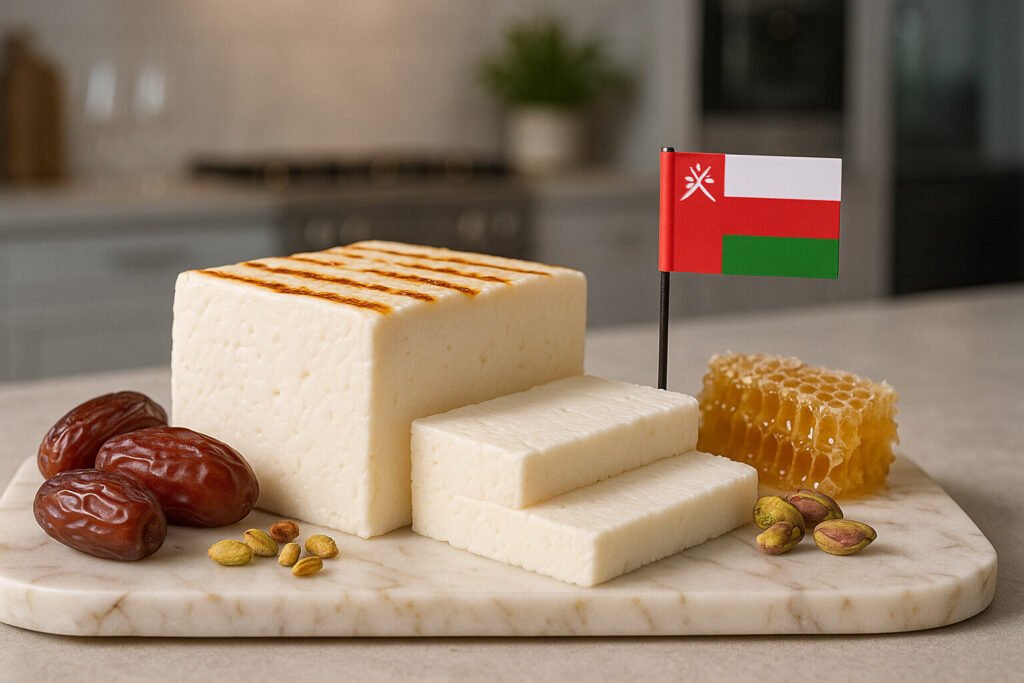
Jibneh typically forms small, round wheels weighing about 200 to 500 grams each. Its exterior is pure white with no rind, and the interior paste matches this bright color. The cheese has a high moisture content, giving it a soft, moist consistency that crumbles easily under pressure.
Its texture is smooth yet slightly grainy, similar to fresh curds. Jibneh contains approximately 45% fat in dry matter, contributing to its rich mouthfeel. The cheese is stored in brine, which preserves its freshness and enhances its characteristic salty taste.
Jibneh Cheese Varieties
Traditional Jibneh comes in fresh and aged versions across different Omani regions. Fresh Jibneh is consumed within days of production and has a very soft, spreadable texture. Aged Jibneh develops a firmer consistency and more intense flavor over several weeks.
Some producers in the Dhofar region make Jibneh with goat’s milk for a tangier profile. In coastal areas, Jibneh may be lightly smoked over date palm wood. These local adaptations reflect Oman’s diverse geography and culinary preferences.
History and Traditions of Jibneh
Jibneh has been produced in Oman for centuries, rooted in Bedouin and coastal fishing communities. Families made this cheese to preserve milk from their goats, cows, and camels in the arid climate. It became a vital protein source during long desert journeys and sea voyages.
Oman’s rich food culture also features dates, halwa, and shuwa, a slow-cooked marinated meat. Jibneh often accompanies these dishes during Eid and other celebrations. Storytellers recount how elders passed down Jibneh-making techniques through generations, symbolizing hospitality and heritage.
Production Process and Producers
Jibneh production starts with fresh milk from local Omani cows, goats, or a blend. The milk is heated to about 30°C before adding rennet to form curds. Workers drain the whey and press the curds into molds, then submerge the cheese in salt brine for preservation.
Ripening occurs in cool storage for a few days to several weeks, depending on the desired variety. Major producers in Oman include Al Mawaleh Dairy, Sohar Dairy, and numerous small-scale artisanal farms in the Al Batinah region. These producers maintain traditional methods while meeting modern quality standards.
Quality Labels and Certifications
As to our current knowledge, Jibneh does not hold a Protected Designation of Origin or similar European certification. However, some Omani producers adhere to national food safety standards set by the Ministry of Agriculture, Fisheries, and Water Resources. These guidelines ensure hygiene and quality throughout the production chain.
A few artisanal makers pursue organic certifications, avoiding synthetic additives. There is growing interest in geographical indication protection for Jibneh to safeguard its cultural heritage. Consumers can look for local quality seals on packaging that verify traditional preparation methods.
Wine or Beverage Pairings
Jibneh pairs excellently with non-alcoholic beverages common in Oman, such as sweet Omani tea or laban, a savory yogurt drink. Its salty notes balance the sweetness of fresh date juice or qahwa, the traditional Arabic coffee infused with cardamom. These combinations highlight Jibneh’s cultural context.
For international pairings, try a crisp Sauvignon Blanc or a light Pinot Grigio to contrast the saltiness. Fruity rosé wines also complement Jibneh’s mild flavor. Beer enthusiasts might enjoy a pale lager or wheat beer, which cleanses the palate between bites.
Suitable Fruit and Vegetables
Fresh dates and figs are classic partners for Jibneh, offering natural sweetness that offsets its saltiness. Sliced cucumbers and tomatoes add a refreshing crunch and acidity. These combinations are common in Omani mezze platters, served as appetizers or snacks.
Roasted bell peppers and eggplant bring smoky flavors that enhance Jibneh’s creaminess. Olives and capers introduce briny notes that harmonize with the cheese. Incorporate these into salads or side dishes for a balanced flavor profile.
Suitable Meat and Fish dishes
Jibneh crumbles beautifully over grilled lamb kebabs or shuwa, enriching the meat’s savory notes. It melts into rice dishes like machboos, a spiced Omani specialty with chicken or fish. The cheese adds moisture and depth to these hearty meals.
Flaky white fish, such as hamour, benefits from a topping of baked Jibneh and herbs. Stuff Jibneh into minced meat pastries for a creamy filling. These applications showcase Jibneh’s versatility in both traditional and modern recipes.
Presentation of Jibneh
Remove Jibneh from the refrigerator 30 minutes before serving to reach an ideal temperature of 18-20°C. This allows its flavors to fully develop. Present it on a ceramic or wooden platter to showcase its white color and rustic appeal.
Arrange Jibneh wedges or crumbles alongside accompaniments like dates, nuts, and flatbread. Use a cheese knife for slicing and a small fork for serving. Provide separate utensils if Jibneh is part of a shared mezze spread to maintain hygiene.
Questions and Answers about Jibneh
What is Jibneh cheese?
Jibneh cheese is a traditional Omani cheese known for its mild, salty flavor and soft, crumbly texture. It is often made from cow’s or goat’s milk and stored in brine. Jibneh cheese is a staple in many Middle Eastern cuisines.
How should I store Jibneh cheese?
Store Jibneh cheese in its original brine or a saltwater solution in an airtight container in the refrigerator. Keep Jibneh cheese at a consistent temperature of 4°C to maintain freshness. Properly stored Jibneh cheese can last for several weeks.
What is the shelf life of Jibneh cheese?
Unopened Jibneh cheese typically lasts up to one month when refrigerated in brine. Once opened, consume Jibneh cheese within two weeks for best quality. Always check for off odors or mold before using Jibneh cheese.
How do I cut Jibneh cheese?
Use a sharp knife to slice Jibneh cheese into wedges or cubes, depending on your recipe. For crumbles, press Jibneh cheese gently with a fork. Cutting Jibneh cheese while cold helps maintain its shape.
Can I freeze Jibneh cheese?
Freezing Jibneh cheese is not recommended as it can alter its texture and cause excessive crumbling. Thawed Jibneh cheese may become watery and lose its characteristic consistency. It is best to enjoy Jibneh cheese fresh or properly refrigerated.
Where can I buy Jibneh cheese?
You can buy Jibneh cheese in Middle Eastern grocery stores, specialty cheese shops, or online retailers. In Oman, Jibneh cheese is widely available in local markets and supermarkets. Look for brands that emphasize traditional production methods for authentic Jibneh cheese.
How is Jibneh cheese used in cooking?
Jibneh cheese is crumbled over salads, melted into sandwiches, or baked in pastries. It adds a salty, creamy element to dishes like mana’eesh or fatayer. Jibneh cheese can also be grilled or fried for a crispy exterior.
What milk is used for Jibneh cheese?
Jibneh cheese is primarily made from cow’s milk, though goat’s milk versions exist. The milk is pasteurized and curdled with rennet to create Jibneh cheese. Some artisanal producers use raw milk for a more robust flavor in Jibneh cheese.
Is Jibneh cheese vegetarian?
Traditional Jibneh cheese uses animal rennet, so it may not be suitable for strict vegetarians. However, some modern producers offer Jibneh cheese made with microbial rennet. Always check the label if you require vegetarian Jibneh cheese.
Can I make Jibneh cheese at home?
Yes, you can make Jibneh cheese at home with milk, rennet, and salt. The process involves curdling milk, draining whey, and brining the cheese. Homemade Jibneh cheese allows you to control ingredients and freshness.
Recipe Ideas
Jibneh and Herb Stuffed Dates
This appetizer combines the sweetness of dates with the salty creaminess of Jibneh. It is a popular choice for Omani hospitality gatherings and festive occasions. The recipe highlights the contrast between soft cheese and chewy fruit, creating a delightful bite-sized treat.
Fresh herbs like mint and parsley add a refreshing note to balance the richness. You can prepare these stuffed dates ahead of time for easy entertaining. They pair wonderfully with qahwa or sweet tea, enhancing the overall dining experience.
- 12 large Medjool dates
- 100 grams Jibneh cheese, crumbled
- 2 tablespoons fresh mint, finely chopped
- 1 tablespoon fresh parsley, finely chopped
- 1 teaspoon lemon zest
- Black pepper to taste
- Slice each date lengthwise and remove the pit carefully.
- In a bowl, mix Jibneh cheese, mint, parsley, lemon zest, and black pepper.
- Stuff each date with about one teaspoon of the cheese mixture.
- Arrange on a platter and chill for 10 minutes before serving.
Jibneh Grilled Sandwich
This sandwich offers a quick and satisfying meal, perfect for lunch or a light dinner. The grilling process melts the Jibneh slightly, making it creamy and warm. It is a modern twist on traditional Omani flatbreads filled with cheese.
Adding vegetables like tomatoes and spinach increases the nutritional value. The crisp exterior of the bread contrasts with the soft filling. Serve this sandwich with a side of yogurt or salad for a complete dish.
- 4 slices of thick bread or Arabic khubz
- 150 grams Jibneh cheese, sliced
- 1 tomato, thinly sliced
- Handful of fresh spinach leaves
- 1 tablespoon olive oil
- Optional: za’atar spice blend for seasoning
- Heat a grill pan or skillet over medium heat.
- Layer Jibneh cheese, tomato slices, and spinach between two bread slices.
- Brush the outer sides of the sandwich with olive oil.
- Grill for 3-4 minutes per side until golden and cheese is melting.
- Slice in half and serve immediately.
Similar Cheeses and Alternatives
Feta cheese from Greece shares Jibneh’s briny and crumbly characteristics, though feta is often made from sheep’s milk. Halloumi from Cyprus offers a similar saltiness but has a firmer texture suitable for grilling. These cheeses can substitute for Jibneh in many recipes, especially salads and baked dishes.
Within the Middle East, Akkawi from Lebanon and Syria is another brined cheese with a mild flavor. Nabulsi cheese from Palestine is sweeter and often flavored with mahlab or mastic. For a non-dairy alternative, try firm tofu marinated in salt and lemon juice to mimic Jibneh’s profile in vegan preparations.