
In this article
What Is Kasseri?
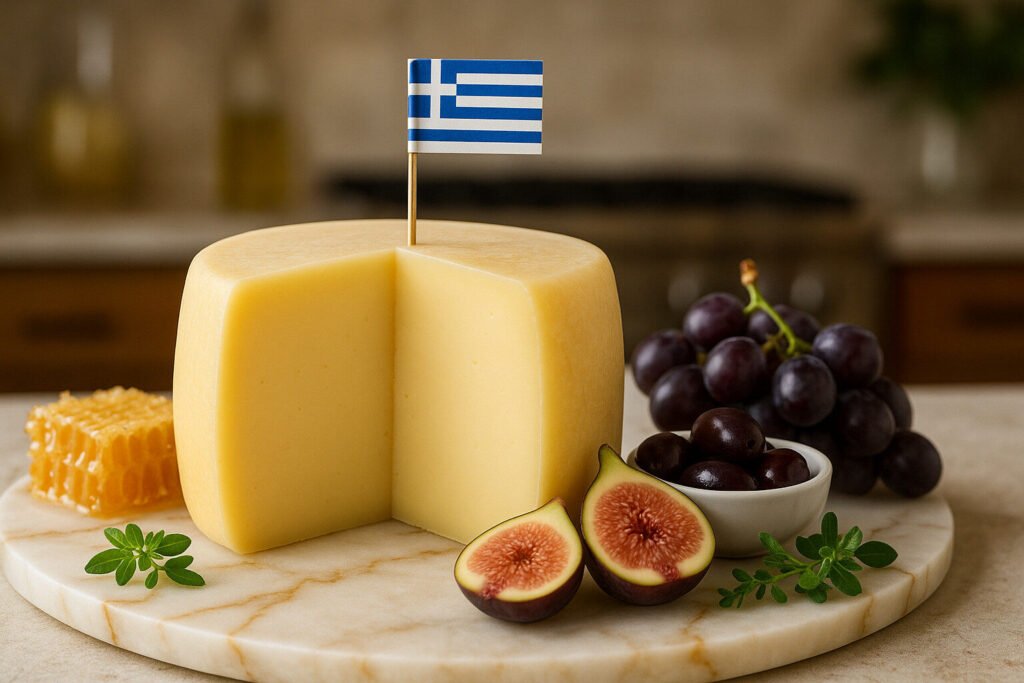
Kasseri is a semi-hard cheese originating from Greece, traditionally made from sheep’s milk. It is known for its pale yellow color and smooth, closed texture that makes it excellent for slicing and melting.
- Milk type: Primarily sheep’s milk, sometimes with up to 20% goat’s milk.
- Fat content in dry matter: Approximately 45-50%.
- Aging time: Typically 3 to 6 months.
- Texture: Semi-hard and elastic, not crumbly.
- Rind type: Natural, smooth, and thin, sometimes coated in wax.
- Shape: Cylindrical wheel.
- Typical wheel size: 8 to 10 kilograms.
- Usual serving temperature: 15 to 18 degrees Celsius.
- Protected status: PDO (Protected Designation of Origin) in Greece.
Kasseri production is strictly regulated in its designated regions of Greece, ensuring authenticity. The cheese develops a subtle complexity during its aging period, which enhances its appeal to gourmets. Its elastic texture allows it to be pulled into strings when heated, similar to mozzarella.
How Kasseri Is Made
Kasseri production follows traditional methods that have been refined over generations. The process emphasizes quality milk and careful aging to develop its characteristic flavor and texture.
- Milk selection: Producers use fresh, high-quality sheep’s milk, occasionally blended with a small percentage of goat’s milk.
- Milk treatment: The milk is gently heated to around 32 degrees Celsius and may be pasteurized depending on the producer.
- Coagulation: Rennet is added to the warm milk to form a firm curd over approximately 45 minutes.
- Cutting the curd: The curd is cut into small, rice-sized pieces to release whey.
- Molding: The curds are transferred into cylindrical molds that give Kasseri its distinctive shape.
- Pressing: The cheese is lightly pressed for several hours to expel excess whey and consolidate the form.
- Salting: The wheels are dry-salted or immersed in a brine solution for a few days to enhance flavor and preservation.
- Aging: Kasseri is aged in cool, humid cellars for 3 to 6 months, with regular turning to ensure even development.
Artisan producers often use raw milk for a more complex flavor profile, while larger facilities may opt for pasteurization. The aging environment is crucial, as it allows the development of Kasseri’s mild tanginess without overpowering saltiness. This careful process results in a cheese that is both firm and pliable, ideal for various culinary uses.
Flavor Profile: What Makes Kasseri Special?
Kasseri offers a mild, milky aroma with subtle tangy notes that invite the senses. Its flavor is predominantly salty and slightly sharp, balanced by a gentle nuttiness and low acidity. The cheese lacks significant sweetness or bitterness, providing a clean, savory experience that is not overwhelming.
The rind of Kasseri is edible and adds a slightly firmer texture and more concentrated saltiness compared to the paste. The semi-hard, elastic texture melts smoothly in the mouth, enhancing the perception of its creamy undertones. This texture also makes it excellent for cooking, as it holds its shape well while becoming deliciously stringy when heated.
Potential Health Benefits and Nutrition values of Kasseri
Kasseri can be a valuable source of protein and calcium in a balanced diet. Per 100 grams, it provides approximately 1500 kilojoules (360 kilocalories) of energy, 25 grams of protein, and 30 grams of fat, of which about 20 grams are saturated. It contains minimal carbohydrates, typically less than 2 grams, with no sugar, and around 1.5 grams of salt, alongside 800 milligrams of calcium.
A typical serving size is 30 to 50 grams, which can be enjoyed a few times per week as part of a varied diet. The protein in Kasseri may support muscle maintenance, while calcium can contribute to bone health. However, its salt and saturated fat content mean it should be consumed in moderation, especially by individuals monitoring sodium intake or heart health.
Quality Labels and Certifications
Kasseri holds a Protected Designation of Origin (PDO) status within the European Union, as far as current information suggests. This certification ensures that only cheese produced in specific regions of Greece using traditional methods can bear the name Kasseri. The PDO label guarantees authenticity, linking the cheese to its geographical origin and cultural heritage.
Some producers may also adhere to organic certifications, which involve strict standards for animal welfare and sustainable farming practices. As far as can be verified at present, these additional labels are less common but highlight a commitment to quality and environmental responsibility. Consumers can look for these seals to identify cheeses made with minimal additives and ethical considerations.
Wine or Beverage Pairings
Kasseri pairs wonderfully with Greek white wines like Assyrtiko, which offer crisp acidity that cuts through the cheese’s richness. For red wine lovers, a light-bodied Xinomavro complements Kasseri’s salty notes without overpowering its mild flavor. Regional pairings often include Retsina, a resinated wine that echoes the cheese’s traditional roots.
Non-alcoholic options include sparkling mineral water with high mineral content to cleanse the palate between bites. Herbal teas such as chamomile or mint tea can provide a soothing contrast to Kasseri’s saltiness. These beverages enhance the tasting experience by balancing the cheese’s texture and flavor profile.
Suitable Fruit and Vegetables
Fresh fruits like figs and grapes offer a natural sweetness that contrasts beautifully with Kasseri’s saltiness. Their juicy texture provides a refreshing balance to the cheese’s firmness on a cheese board. Apples and pears, with their crisp bite and mild acidity, also pair well, enhancing the overall flavor complexity.
Vegetables such as cherry tomatoes and Kalamata olives bring a savory depth that complements Kasseri in salads or meze platters. Roasted bell peppers or grilled eggplant add a smoky sweetness that melds perfectly with the cheese in cooked dishes. These combinations highlight Kasseri’s versatility in both raw and prepared forms.
Suitable Meat and Fish dishes
Kasseri excels in cold preparations, such as layered in sandwiches with cured meats like salami or ham. Its melting quality makes it ideal for wraps and pitas, where it binds ingredients together. On charcuterie boards, thin slices of Kasseri pair well with prosciutto and other dry-cured meats for a balanced appetizer.
In hot dishes, Kasseri is famously used in Saganaki, where it is fried until golden and served sizzling. It adds creaminess to pasta bakes and casseroles, blending well with meats like lamb or chicken. Baked fish dishes, such as cod topped with Kasseri, benefit from the cheese’s ability to form a flavorful, melted crust.
Kasseri Presentation
Present Kasseri on a wooden or marble cheese board to showcase its cylindrical shape and pale color. Remove it from the refrigerator at least 30 minutes before serving to reach the ideal temperature of 15 to 18 degrees Celsius. Cut it into thin slices or small cubes to make it easy for guests to enjoy, and arrange it with space between pieces to appreciate its texture.
Use a sharp cheese knife or wire cutter for clean slices, especially if serving it firm. For cooked presentations, a grater can be handy if incorporating Kasseri into dishes. Proper tools ensure the cheese maintains its integrity and enhances the dining experience, whether served cold or heated.
Kasseri Questions and Answers
How should I store Kasseri?
Wrap Kasseri tightly in wax paper or plastic wrap and store it in the refrigerator’s vegetable drawer. This method helps maintain its moisture and prevents it from absorbing other odors. Always keep Kasseri away from strong-smelling foods to preserve its delicate flavor.
Can I freeze Kasseri?
Yes, you can freeze Kasseri for up to three months, but it may alter the texture slightly upon thawing. Freeze Kasseri in airtight containers or freezer bags to prevent freezer burn. Thaw it slowly in the refrigerator before use to minimize texture changes.
What is the shelf life of Kasseri?
Unopened Kasseri typically lasts for several weeks in the refrigerator, while opened cheese should be consumed within one to two weeks. Check for any mold or off odors as indicators of spoilage. Proper storage extends the shelf life of Kasseri significantly.
How do I cut Kasseri properly?
Cut Kasseri into slices or wedges using a sharp knife, following the natural shape of the wheel. For even portions, slice it horizontally if it’s a tall cylinder. This technique ensures each piece has a balanced mix of rind and paste for optimal flavor.
Where can I buy Kasseri?
You can find Kasseri in specialty cheese shops, Greek markets, or well-stocked supermarkets, especially those with international articles. Look for the PDO label to ensure authenticity when purchasing Kasseri. Online retailers also offer Kasseri for delivery to your home.
Is Kasseri suitable for cooking?
Yes, Kasseri is excellent for cooking due to its melting properties and mild flavor. It works well in grilled dishes, casseroles, and as a topping for pizzas. Kasseri retains its elasticity when heated, making it a versatile ingredient in various recipes.
What is the best way to serve Kasseri?
Serve Kasseri at room temperature on a cheese board with accompaniments like olives and bread. Alternatively, fry it for a traditional Saganaki dish. Allowing Kasseri to warm up enhances its aroma and texture for the best tasting experience.
Can I eat the rind of Kasseri?
Yes, the rind of Kasseri is edible and adds a slightly firmer texture and more intense flavor. It is safe to consume and often enjoyed as part of the cheese. However, you can trim it off if you prefer a milder taste from the paste alone.
How does Kasseri compare to other cheeses?
Kasseri is similar to Provolone or Kashkaval in texture and melting ability, but it has a distinct mild saltiness from its sheep’s milk base. Unlike harder cheeses, Kasseri offers a pliable consistency that makes it unique. Its PDO status sets it apart from imitations in terms of quality and origin.
What are common uses for Kasseri?
Common uses for Kasseri include grating over pasta, slicing for sandwiches, or frying as an appetizer. It is also popular in baked dishes and as a table cheese for snacking. Kasseri’s adaptability makes it a favorite in both traditional and modern Greek recipes.
Recipe Ideas
Kasseri Saganaki
Kasseri Saganaki is a classic Greek appetizer where the cheese is fried until golden and served sizzling hot. This dish highlights Kasseri’s excellent melting qualities and mild saltiness, making it a crowd-pleaser. It is typically flambéed with a splash of ouzo or lemon juice for an extra burst of flavor.
The cheese forms a crisp exterior while staying soft and stringy inside, perfect for dipping with bread. Serve it immediately to enjoy the contrast in textures and the aromatic notes from the cooking process. This recipe is simple yet impressive, ideal for entertaining or a quick treat.
- 200 grams Kasseri cheese, cut into 1-centimeter thick slices
- 2 tablespoons all-purpose flour
- 2 tablespoons olive oil
- 1 lemon, cut into wedges
- Optional: 30 milliliters ouzo for flambéing
- Dredge the Kasseri slices in flour, shaking off any excess.
- Heat the olive oil in a small frying pan over medium-high heat.
- Fry the cheese for 1-2 minutes per side until golden brown and bubbly.
- If using ouzo, carefully pour it over the cheese and ignite to flambé briefly.
- Serve immediately with lemon wedges for squeezing over the top.
Kasseri and Spinach Pie
This savory pie combines Kasseri with spinach and phyllo pastry for a comforting dish. The cheese melts into the filling, providing a creamy texture that balances the earthy spinach. It is a versatile recipe that can be served as a main course or cut into smaller pieces for appetizers.
Kasseri’s elasticity ensures the pie holds together well without becoming greasy. The dish can be prepared in advance and baked fresh, making it convenient for gatherings. Its rich flavor profile appeals to both adults and children, offering a nutritious meal option.
- 500 grams fresh spinach, washed and chopped
- 200 grams Kasseri cheese, grated
- 1 onion, finely chopped
- 2 eggs, beaten
- 200 grams phyllo pastry sheets
- 100 milliliters olive oil
- Salt and pepper to taste
- Preheat the oven to 180 degrees Celsius and grease a baking dish.
- Sauté the onion in a pan with a little olive oil until soft, then add spinach and cook until wilted. Allow to cool.
- Mix the spinach mixture with grated Kasseri, eggs, salt, and pepper in a bowl.
- Layer phyllo sheets in the dish, brushing each with olive oil, then spread the filling evenly.
- Top with more phyllo layers, brush with oil, and bake for 30-35 minutes until golden and crisp.
Similar Cheeses and Alternatives
Kasseri shares similarities with Kashkaval, a Balkan cheese also made from sheep’s milk, but Kasseri is typically milder and less salty. Both cheeses have a semi-hard texture and good melting properties, making them interchangeable in many recipes. However, Kasseri’s PDO status ensures a specific production method that may not be replicated in alternatives.
Provolone from Italy offers a comparable elasticity and mild flavor, though it is often made from cow’s milk and aged longer. For a firmer option, Graviera from Greece provides a nuttier taste but similar versatility. When substituting, consider the milk type and aging time to match Kasseri’s profile in dishes like gratins or cheese boards.