
In this article
Distinctive Features of Kurutob
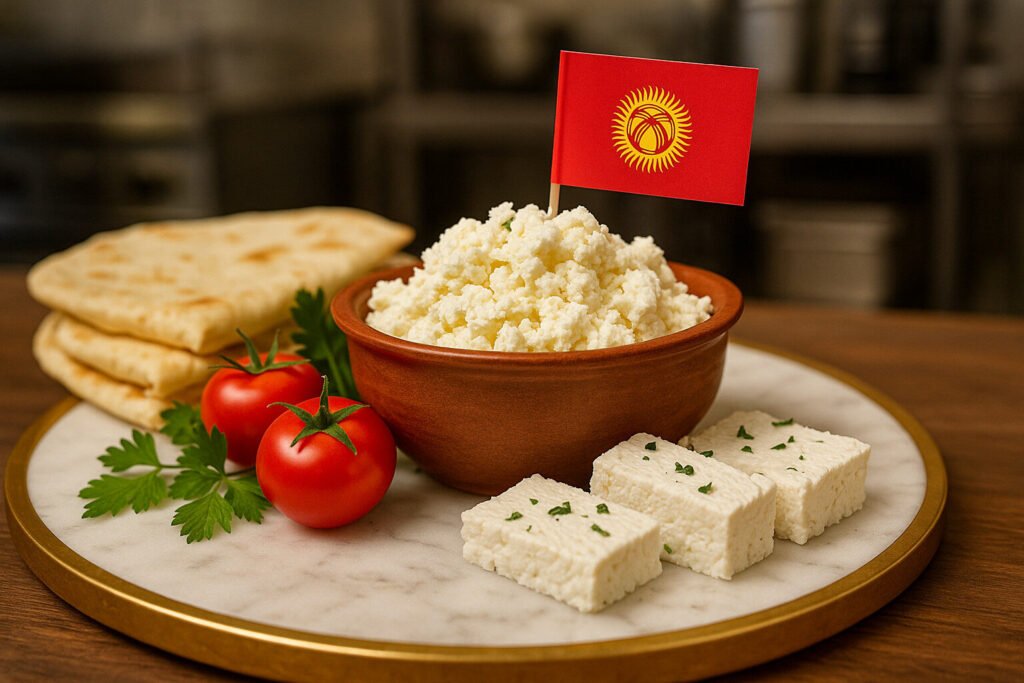
Kurutob presents as a deconstructed dish rather than a solid cheese wheel. It typically consists of pieces of flatbread topped with a moist, crumbly mixture of kurut and oil. The texture is soft and slightly granular from the dissolved yogurt balls. Its color ranges from white to pale yellow, depending on the kurut and added ingredients. Kurutob has a high humidity level due to the rehydrated dairy component. The consistency is creamy yet firm enough to hold its shape on bread.
This dish offers a pronounced tangy flavor from the fermented kurut. It often includes finely chopped raw onions and fresh herbs like cilantro or dill. The aroma is fresh and lactic, with herbal notes from the garnishes. Kurutob is served at room temperature and does not develop a rind. Its simplicity belies a complex taste profile shaped by traditional methods. Each bite combines the chewiness of bread with the creamy acidity of kurut.
Kurutob Varieties
Regional variations of Kurutob exist across Kyrgyzstan, adapting to local tastes and ingredients. In the Chui Valley, cooks might add a sprinkle of red pepper for mild heat. The Issyk-Kul region sometimes incorporates walnuts or other nuts for crunch. These differences reflect the diverse microclimates and agricultural practices of Kyrgyzstan.
Another variety includes meat-enhanced Kurutob, where boiled lamb or beef is layered over the kurut mixture. Urban versions in Bishkek may use store-bought flatbread for convenience. Some families prepare a lighter Kurutob with less oil for everyday meals. These adaptations ensure Kurutob remains a versatile and beloved dish throughout the country.
History and Traditions of Kurutob
Kurutob originated from the nomadic herders of Kyrgyzstan who needed preserved dairy for long journeys. They developed kurut by drying yogurt into balls that could be stored without refrigeration. This method allowed them to carry nutritious food across the mountainous terrain. Kurutob evolved as a way to quickly prepare a satisfying meal using these stored ingredients.
The dish is deeply tied to Kyrgyz hospitality and communal dining traditions. It is often served during festivals, family gatherings, and to honor guests. Kyrgyzstan is also famous for other foods like beshbarmak and fermented beverages like kumis. Kurutob symbolizes resourcefulness and the enduring pastoral lifestyle of the region.
Production Process and Producers
Kurutob production starts with high-fat sheep’s or cow’s milk, which is fermented into yogurt. The yogurt is strained and shaped into small balls called kurut, then sun-dried for preservation. To make Kurutob, these dried balls are soaked in warm water or milk until soft. They are then mixed with vegetable oil or melted butter to form a paste.
This mixture is spooned over freshly baked flatbread, such as nan or boorsok. Traditional producers include local households and small-scale dairies across Kyrgyzstan. Key regions for artisanal production are the Naryn and Talas areas. Well-known producers, as to our current knowledge, include family-run enterprises like Dairy Art KG and traditional makers in rural communities.
Quality Labels and Certifications
As to our current knowledge, Kurutob does not hold formal protected designations like PDO or PGI. However, it is part of Kyrgyzstan’s intangible cultural heritage, recognized for its traditional preparation methods. Some producers may use local quality seals that emphasize artisanal and natural ingredients. These labels help consumers identify authentic Kurutob made with traditional techniques.
Organic certifications are rare but emerging among small farms supplying milk for kurut. Sustainability labels are not widely applied, but the dish inherently uses minimal processing. Animal welfare labels might be relevant if sourced from pasture-raised livestock. Overall, Kurutob’s authenticity relies more on community practices than standardized certifications.
Wine or Beverage Pairings
Kurutob pairs excellently with traditional Kyrgyz beverages like kumis, a fermented mare’s milk. Its tangy profile complements the slight fizz and acidity of kumis. Green tea, commonly consumed in Central Asia, also balances the richness of Kurutob. For wine lovers, a crisp Sauvignon Blanc or dry Riesling can contrast the dish’s creaminess.
Local options include shoro, a fermented grain drink, which enhances the savory notes. International pairings might include light beers or sparkling water with lemon. The key is to choose beverages that cleanse the palate between bites. Avoid heavy red wines that could overwhelm Kurutob’s delicate flavors.
Suitable Fruit and Vegetables
Fresh tomatoes and cucumbers are ideal companions for Kurutob, adding crunch and freshness. Their mild acidity complements the tangy kurut without dominating the dish. Radishes and spring onions provide a peppery contrast that enhances the overall experience. These vegetables are often served raw alongside Kurutob in a typical meal.
Fruits like apples or pears can be sliced and eaten after Kurutob to refresh the palate. Grapes and melons offer a sweet counterpoint to the savory elements. In summer, berries may be incorporated for a seasonal twist. Always choose ripe, in-season produce to maintain balance with the dairy components.
Suitable Meat and Fish Dishes
Kurutob is commonly served with boiled lamb or beef, reflecting Kyrgyz nomadic traditions. The meat is typically seasoned with salt and simmered until tender. It is then placed on top of the Kurutob assembly, adding protein and depth. This combination makes for a hearty meal suitable for cold climates.
Fish dishes are less traditional but can include grilled trout from Kyrgyz mountain rivers. The light, flaky texture of fish contrasts well with the creamy kurut. Avoid strongly flavored meats like game, which might overpower the dish. Kurutob acts as a base that harmonizes with simple, well-cooked proteins.
Presentation of Kurutob
Kurutob should be presented on a large, flat platter or traditional wooden board. Remove it from preparation at room temperature, as chilling can harden the oils. The ideal serving temperature is around 18-20°C to preserve its creamy texture. Arrange the flatbread pieces first, then spoon the kurut mixture evenly over them.
Garnish generously with chopped onions and fresh herbs for color and aroma. Use a large spoon or ladle for serving onto individual plates. For eating, provide forks or encourage using hands in the traditional manner. The presentation should invite sharing and highlight the dish’s communal nature.
Questions and Answers about Kurutob
What is Kurutob?
Kurutob is a traditional Kyrgyz dish made from rehydrated kurut served over flatbread. It often includes onions and herbs for added flavor. Kurutob is a staple in Kyrgyz cuisine and reflects nomadic heritage.
How should I store Kurutob?
Store Kurutob in an airtight container in the refrigerator for up to two days. The kurut mixture can dry out, so cover it well. For longer storage, keep dried kurut balls in a cool, dry place.
Can I freeze Kurutob?
Freezing Kurutob is not recommended as it can alter the texture of the kurut. The dairy component may become grainy upon thawing. It is best enjoyed fresh or refrigerated briefly.
What is the shelf life of Kurutob?
Freshly prepared Kurutob lasts about 1-2 days in the fridge. Dried kurut balls can be stored for several months. Always check for off smells or mold before consuming Kurutob.
How do I cut Kurutob for serving?
Kurutob is not cut but assembled; break the flatbread into pieces and top with kurut mixture. Use a knife to portion the bread if needed. Serve it in a way that allows easy scooping with utensils.
Where can I buy Kurutob ingredients?
Buy Kurutob ingredients at Central Asian markets or online stores specializing in Kyrgyz foods. Kurut balls are available in dried form. Fresh flatbread can be found in bakeries or made at home.
Is Kurutob eaten hot or cold?
Kurutob is typically eaten at room temperature. Heating it can cause the oils to separate. Serve Kurutob freshly assembled for the best texture and flavor.
Can I make Kurutob with different milks?
Yes, Kurutob can be made with cow’s, sheep’s, or goat’s milk kurut. Each milk type imparts a unique taste and fat content. Traditional Kurutob often uses sheep’s milk for richness.
What are common mistakes when preparing Kurutob?
Common mistakes include over-soaking the kurut, making it too watery. Using stale bread can ruin the texture. Always use fresh herbs and quality oil for authentic Kurutob.
Is Kurutob suitable for vegetarians?
Kurutob is vegetarian if made without meat toppings. The base consists of dairy and bread. Check that the kurut is produced without animal rennet for strict vegetarian diets.
Recipe Ideas
Classic Kyrgyz Kurutob
This recipe stays true to the traditional method of preparing Kurutob. It uses simple ingredients to highlight the tangy flavor of kurut. The dish is quick to assemble and perfect for sharing with family or guests. You can adjust the herb quantities based on personal preference. Always use fresh flatbread for the best results.
Kurutob is often served as a main course during lunch or dinner. It provides a balanced mix of carbohydrates, protein, and fats. The rehydration process softens the kurut without cooking it. This preserves the probiotic benefits of the fermented dairy. Enjoy it with a side of fresh vegetables for a complete meal.
- 200 g dried kurut balls
- 500 ml warm water
- 3 tablespoons vegetable oil
- 1 large flatbread (nan or similar)
- 1 medium onion, finely chopped
- Handful of fresh cilantro, chopped
- Salt to taste
- Place the dried kurut balls in a bowl and cover with warm water.
- Let them soak for 20-30 minutes until soft and pliable.
- Drain excess water and mash the kurut with a fork.
- Mix in the vegetable oil until a creamy paste forms.
- Tear the flatbread into bite-sized pieces on a serving platter.
- Spread the kurut mixture evenly over the bread.
- Top with chopped onion and cilantro.
- Season with salt if desired and serve immediately.
Modern Kurutob with Walnuts
This variation adds walnuts for extra crunch and nutrition. It is inspired by regional twists found in the Issyk-Kul area. The nuts complement the creamy texture of the kurut beautifully. This version is great for those seeking a more substantial dish. It can be served as an appetizer or light meal.
Walnuts are rich in omega-3 fatty acids, enhancing the health profile. They are lightly toasted to bring out their flavor. This recipe maintains the traditional base while introducing new elements. It showcases how Kurutob can adapt to modern tastes. Always use high-quality, fresh walnuts for the best outcome.
- 200 g dried kurut balls
- 500 ml warm water
- 3 tablespoons vegetable oil
- 1 large flatbread
- 1 medium onion, finely chopped
- 50 g walnuts, chopped and toasted
- Handful of fresh dill, chopped
- Salt to taste
- Soak the kurut balls in warm water for 20-30 minutes until soft.
- Drain and mash the kurut, then mix with oil to form a paste.
- Arrange torn flatbread pieces on a platter.
- Spread the kurut mixture over the bread.
- Sprinkle with chopped onion, toasted walnuts, and dill.
- Add salt to taste and serve at room temperature.
Similar Cheeses and Alternatives
Kurutob shares similarities with other Central Asian dairy dishes like Afghan qurutob, which also uses dried yogurt and bread. Both emphasize the use of preserved dairy in nomadic cuisines. However, Afghan versions might include more spices and meat variations. Another alternative is Turkish ayran soup, a cold yogurt-based soup with grains. These dishes highlight the regional diversity of dairy-based meals. For those unfamiliar with kurut, Greek strained yogurt served on bread can offer a comparable tangy experience. The key difference lies in the drying and rehydration process unique to Kurutob. Exploring these alternatives can provide a broader understanding of Eurasian culinary traditions.