
In this article
Distinctive Features of Queso de Cuajada
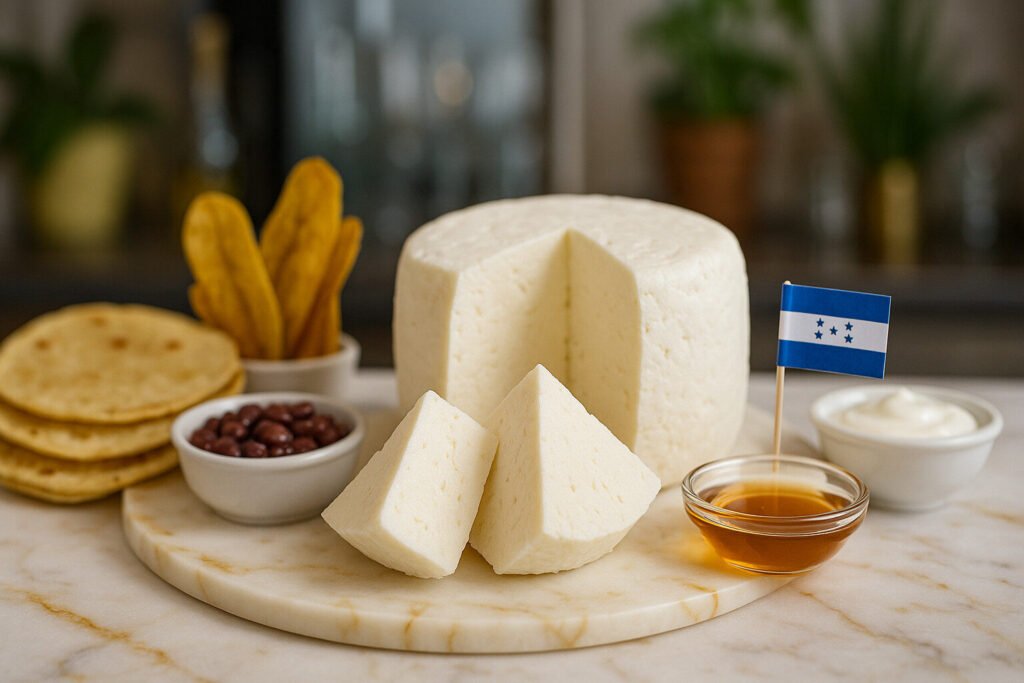
Queso de Cuajada typically forms small, round wheels weighing about 200 to 300 grams each. Its color is a consistent pale white, indicating its fresh, unaged nature. The texture is notably soft and moist, allowing it to crumble easily with gentle pressure.
This cheese has a high humidity level, often around 50 to 60 percent, which contributes to its short shelf life. It lacks a developed rind and feels smooth to the touch. The consistency is firm yet yielding, perfect for crumbling over dishes or eating fresh.
Cheese Varieties of Queso de Cuajada
While Queso de Cuajada is generally uniform, some regional adaptations exist within Honduras. In the Comayagua Valley, producers might incorporate local herbs like cilantro for added flavor. Other areas may adjust the milk fat content slightly, resulting in a richer or lighter cheese.
There are no formally recognized varieties, but artisanal versions can feature subtle differences in saltiness or moisture. Some producers use pasteurized milk for food safety, while rural makers often stick to raw milk traditions. These variations reflect local tastes and available resources.
History and Traditions of Queso de Cuajada
Queso de Cuajada has deep roots in Honduran rural life, where small-scale dairy farming thrives. It originated as a practical method to preserve milk quickly without lengthy aging processes. Families often prepare it daily to enjoy with meals or share during community gatherings.
Honduras is also famous for its coffee plantations and banana exports, which complement the dairy industry. Traditions include making Queso de Cuajada for holidays like Independence Day and family celebrations. This cheese symbolizes hospitality and resourcefulness in Honduran culture.
Production Process and Producers of Queso de Cuajada
The milk for Queso de Cuajada comes from Honduran dairy cows, often grass-fed in regions like Comayagua and Olancho. Producers heat the milk to about 35°C and add natural rennet or acidic agents like lemon juice to form curds. The curds are then drained in cloth bags without pressing, shaping them into small wheels.
Ripening is minimal, usually lasting only a few hours to one day before consumption. Main producers include local dairies such as Lácteos Hondureños, Quesos La Pradera, and numerous small-scale farms across the country. These producers supply markets and households with fresh Queso de Cuajada year-round.
Quality Labels and Certifications
As to our current knowledge, Queso de Cuajada does not hold protected designations of origin or geographical indications in Honduras. It is typically produced under traditional, artisanal methods without formal certification seals. This lack of labels reflects its grassroots, everyday nature in local cuisine.
Some producers may adhere to basic food safety standards, but no widespread quality assurance labels apply. Artisanal versions might be labeled as “hecho a mano” (handmade) to emphasize craftsmanship. However, consumers rely on local reputation rather than certified marks for quality.
Wine or Beverage Pairings
Queso de Cuajada pairs excellently with light Honduran beers such as Salva Vida or Port Royal. Its mild flavor complements the crisp, refreshing character of these lagers. Fruity white wines like Sauvignon Blanc or unoaked Chardonnay also enhance its subtle tanginess.
Traditional beverages like horchata (a rice-based drink) or tamarind juice are ideal matches. The sweetness of these drinks balances the cheese’s acidity beautifully. For a non-alcoholic option, fresh fruit smoothies made with mango or pineapple work wonderfully.
Suitable Fruit and Vegetables
Fresh fruits like ripe mangoes, pineapples, and bananas pair wonderfully with Queso de Cuajada. Their natural sweetness contrasts nicely with the cheese’s mild tang. Tomatoes and avocados are also excellent, especially in salads or salsas where the cheese can be crumbled.
Vegetables such as bell peppers, onions, and cucumbers provide a crisp texture that complements the soft cheese. Leafy greens like lettuce or spinach can be used as beds for serving. Grilled vegetables like zucchini or corn bring out the cheese’s creamy aspects.
Suitable Meat and Fish dishes
Queso de Cuajada is commonly used in Honduran dishes like baleadas, where it is crumbled over refried beans and meat. It works well with grilled chicken or beef, adding a creamy element. The cheese can be melted into stews or soups for extra richness.
For fish dishes, it pairs nicely with fried fish or seafood empanadas common in coastal areas. Its mild flavor does not overpower delicate fish like tilapia or snapper. Crumbled Queso de Cuajada can also top tacos or tostadas with shredded meat.
Presentation of Queso de Cuajada
Queso de Cuajada should be served at room temperature to fully appreciate its flavor and texture. Remove it from the refrigerator about 30 minutes before serving. Present it on a wooden or ceramic plate to maintain its rustic, authentic appeal.
Arrange the cheese whole for a centerpiece or crumbled for easy serving. Use a cheese knife for cutting if served intact. For eating, provide simple utensils like forks or accompany with tortilla chips for a hands-on experience.
Questions and Answers about Queso de Cuajada
What is Queso de Cuajada?
Queso de Cuajada is a fresh, soft cheese from Honduras made from cow’s milk. It has a mild, tangy flavor and a crumbly texture. Queso de Cuajada is often used in traditional Honduran dishes like baleadas.
How should I store Queso de Cuajada?
Queso de Cuajada should be stored in the refrigerator at 4°C to maintain freshness. Keep it in an airtight container to prevent drying out. Queso de Cuajada has a short shelf life of about 3 to 5 days.
Can I freeze Queso de Cuajada?
Freezing Queso de Cuajada is not recommended as it can alter its texture and make it watery. Queso de Cuajada is best consumed fresh for optimal flavor. Thawing may cause it to lose its characteristic crumbly consistency.
How do I cut Queso de Cuajada?
Use a sharp knife to cut Queso de Cuajada into slices or crumbles. Queso de Cuajada is soft, so gentle pressure works well. For serving, crumble it with your hands or a fork for even distribution.
Where can I buy Queso de Cuajada?
Queso de Cuajada is available in local markets and supermarkets across Honduras. Some specialty stores in other countries may carry it. Look for it in the dairy article, often labeled as fresh cheese.
What is the fat content of Queso de Cuajada?
Queso de Cuajada typically has a fat in dry matter of around 20 to 30 percent. This varies slightly by producer and milk source. The moderate fat content contributes to its creamy mouthfeel.
Is Queso de Cuajada used in cooking?
Yes, Queso de Cuajada is versatile and used in many Honduran recipes. It can be crumbled over dishes, melted into sauces, or eaten fresh. Queso de Cuajada adds a mild, tangy flavor to meals.
How long does Queso de Cuajada last?
Queso de Cuajada has a short shelf life and should be consumed within 3 to 5 days of purchase. Always check for signs of spoilage like off smells or mold. Proper storage helps extend its freshness.
Can I make Queso de Cuajada at home?
Yes, you can make Queso de Cuajada at home with cow’s milk, rennet, and basic kitchen tools. The process involves curdling the milk and draining the curds. Homemade Queso de Cuajada offers a fresh, authentic taste.
What dishes feature Queso de Cuajada?
Queso de Cuajada is a key ingredient in Honduran baleadas, tortillas, and salads. It is also used in soups, stews, and as a topping for various meats. Queso de Cuajada enhances both simple and elaborate dishes.
Recipe Ideas
Queso de Cuajada Baleadas
Baleadas are a quintessential Honduran street food enjoyed for breakfast or snacks. They consist of warm flour tortillas filled with refried beans and crumbled Queso de Cuajada. This combination creates a satisfying blend of textures and flavors that is both comforting and delicious.
This recipe is quick to prepare and highlights the cheese’s creamy, tangy notes. Queso de Cuajada melts slightly when warmed, enhancing the overall experience. It is a versatile dish that can be customized with additional toppings like avocado or crema.
- 4 large flour tortillas
- 200 grams Queso de Cuajada, crumbled
- 1 cup refried beans
- 1 avocado, sliced (optional)
- 2 tablespoons crema or sour cream (optional)
- Warm the flour tortillas on a skillet over medium heat for 1-2 minutes per side.
- Spread a quarter cup of refried beans evenly on each tortilla.
- Sprinkle 50 grams of crumbled Queso de Cuajada over the beans.
- Add optional toppings like avocado slices or a drizzle of crema.
- Fold the tortilla in half and serve immediately while warm.
Queso de Cuajada and Tomato Salad
This fresh salad showcases the mild flavor and crumbly texture of Queso de Cuajada. It combines ripe tomatoes, crisp vegetables, and the cheese for a light, refreshing dish. Perfect for warm days, it highlights the simplicity of Honduran ingredients.
The salad is easy to assemble and can be adapted with local produce. Queso de Cuajada adds a creamy contrast to the juicy tomatoes and crunchy onions. A simple lime vinaigrette ties all the elements together beautifully.
- 200 grams Queso de Cuajada, crumbled
- 2 large tomatoes, diced
- 1 small red onion, thinly sliced
- 1 cucumber, sliced
- Juice of 1 lime
- 2 tablespoons olive oil
- Salt and pepper to taste
- In a large bowl, combine the diced tomatoes, sliced onion, and cucumber.
- Add the crumbled Queso de Cuajada and gently toss to mix.
- In a small bowl, whisk together lime juice, olive oil, salt, and pepper.
- Drizzle the dressing over the salad and toss lightly to coat.
- Serve immediately as a side dish or light main course.
Similar Cheeses and Alternatives
Queso de Cuajada shares similarities with other fresh Latin American cheeses like Queso Fresco from Mexico or Queso Blanco from Central America. These cheeses also feature a soft, crumbly texture and mild, slightly tangy flavors. They are commonly used in similar culinary applications, such as crumbling over dishes or eating fresh.
Alternatives from other regions include Italian Ricotta or French Fromage Blanc, though they may have different moisture levels and production methods. For those outside Honduras, seeking local fresh cheeses made from cow’s milk can provide a comparable experience. The key characteristics to look for are freshness, mildness, and a crumbly consistency that enhances a variety of dishes.