
In this article
Distinctive Features of Queso Llanero
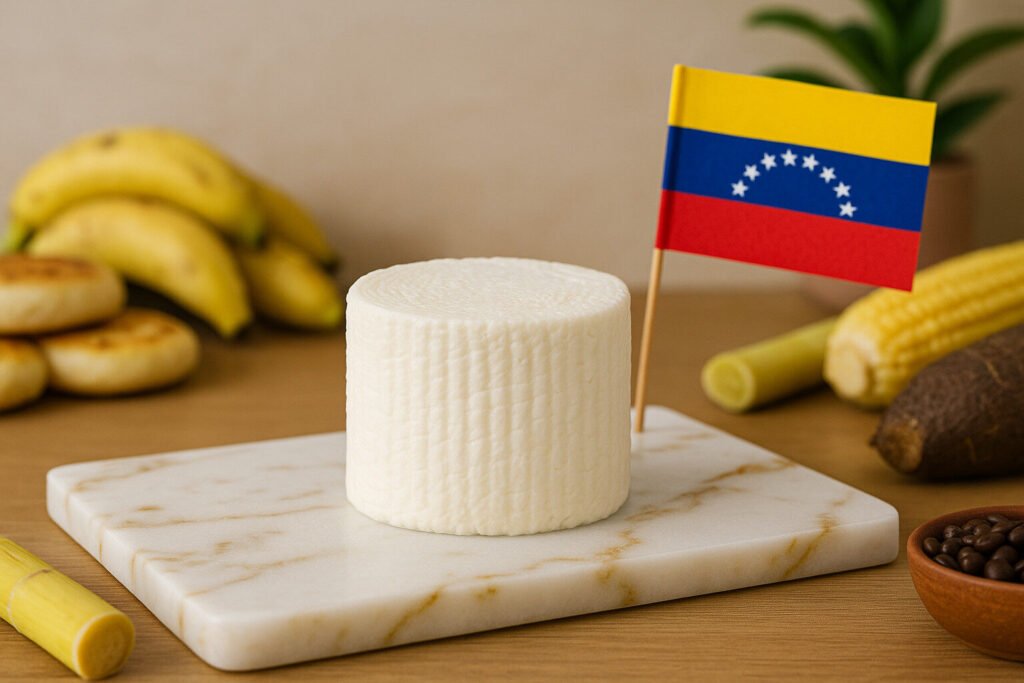
Queso Llanero typically forms into rectangular blocks or small wheels weighing 500 grams to 2 kilograms. The paste displays a uniform pale yellow color with a smooth, slightly elastic texture. Its consistency is semi-hard, offering a pleasant resistance when sliced yet softening easily with heat.
The cheese has a moderate humidity level, around 40 to 45 percent, which contributes to its moist but firm feel. Fat in dry matter usually ranges from 45 to 50 percent, giving Queso Llanero a rich mouthfeel without excessive oiliness. It lacks a pronounced rind, allowing the pure, milky flavor to dominate with a subtle salty finish.
Queso Llanero Varieties
Fresh Queso Llanero is consumed shortly after production and retains high moisture for a softer bite. Lightly aged Queso Llanero undergoes two to four weeks of maturation, developing a firmer texture and slightly sharper taste. Some regional versions incorporate spices like cumin or local peppers for added complexity.
Smoked Queso Llanero is another variety, where the cheese is exposed to natural wood smoke for a deeper, aromatic profile. Artisanal producers in the Andes might craft smaller batches with herb infusions. These adaptations reflect local tastes and available ingredients while maintaining the cheese’s core characteristics.
History and Traditions of Queso Llanero
Queso Llanero originated in the Venezuelan Llanos, vast plains where cattle ranching dates back to Spanish colonial times. Settlers introduced dairy farming, and locals developed cheese-making techniques suited to the tropical climate. The Llanos region is also famous for its beef, horsemanship traditions, and vibrant joropo music festivals.
This cheese became a dietary cornerstone for llanero cowboys, providing sustenance during long workdays. Families often prepare Queso Llanero for festive occasions like weddings and religious holidays, symbolizing hospitality. Oral histories recount how it was traded along routes linking rural areas to urban markets, cementing its cultural importance.
Production Process and Producers
Queso Llanero starts with fresh cow’s milk from Zebu or crossbred herds grazing in the Llanos. Producers heat the milk to about 32°C, add rennet to form curds, and then cut and press them into molds. The cheese is dry-salted or brined briefly before aging in cool, humid conditions for up to one month.
Main producers in Venezuela include Quesos Los Llanos, Lácteos La Vaquita, and numerous small-scale artisanal farms across Barinas and Apure states. These makers prioritize traditional methods, often using open vats and manual pressing. Their output supplies local markets and national distributors, ensuring Queso Llanero’s widespread availability.
Quality Labels and Certifications
As to our current knowledge, Queso Llanero does not hold a protected designation of origin or geographical indication. It is typically produced under Venezuela’s national food safety standards, which regulate hygiene and labeling. Some artisanal producers may adhere to informal quality seals that emphasize traditional, small-batch craftsmanship.
Organic certifications are uncommon, though a few farms might follow sustainable practices without formal recognition. The absence of major labels does not detract from Queso Llanero’s authenticity, as its production remains deeply rooted in regional heritage. Consumers often rely on producer reputation to gauge quality.
Wine or Beverage Pairings
Locally, Queso Llanero pairs beautifully with light Venezuelan beers like Polar Pilsen or crisp white wines such as Albariño. The cheese’s mild saltiness complements the citrus and mineral notes in these beverages. For a traditional touch, serve it with chicha, a fermented corn drink popular in the Andes.
Internationally, Sauvignon Blanc or unoaked Chardonnay enhances Queso Llanero’s creamy texture without overwhelming it. Sparkling wines like Cava or Prosecco cut through the richness, offering a refreshing contrast. Non-alcoholic options include tamarind juice or coffee, both staples in Venezuelan cuisine.
Suitable Fruit and Vegetables
Queso Llanero excels with sweet, tropical fruits like mango, papaya, and guava, which balance its saltiness. Plantains, whether fried or baked, provide a starchy counterpoint that highlights the cheese’s melt-in-the-mouth quality. Fresh tomatoes and avocados add creaminess and acidity for a vibrant combination.
Roasted bell peppers or corn on the cob bring smoky sweetness that pairs well with grilled Queso Llanero. Leafy greens such as spinach or watercress offer a bitter contrast that cleanses the palate. Incorporate these into salads or side dishes for a balanced meal.
Suitable Meat and Fish Dishes
Queso Llanero melts perfectly into shredded beef for traditional pabellón criollo, Venezuela’s national dish. It also tops grilled chicken or pork, adding a creamy layer that enhances juiciness. In stews like hervido, the cheese thickens the broth while contributing subtle dairy notes.
For fish, Queso Llanero works well in baked snapper or trout, where it forms a golden crust. Incorporate it into seafood empanadas for a rich, savory filling. The cheese’s mild flavor does not overpower delicate fish, making it a versatile addition to many recipes.
Presentation of Queso Llanero
Remove Queso Llanero from the refrigerator at least 30 minutes before serving to reach an ideal temperature of 18-20°C. Present it on a wooden or ceramic platter to showcase its rustic appeal. Arrange slices or cubes alongside accompaniments like fruits and crackers for visual variety.
Use a sharp cheese knife for clean cuts, and provide small forks or picks for easy eating. For cooked dishes, grate or slice Queso Llanero evenly to ensure consistent melting. Always allow the cheese to breathe briefly after cutting to release its full aroma.
Questions and Answers about Queso Llanero
What is Queso Llanero?
Queso Llanero is a traditional Venezuelan cheese made from cow’s milk. It features a semi-hard texture and mild, salty flavor. Queso Llanero is widely used in cooking and as a table cheese.
How should I store Queso Llanero?
Store Queso Llanero in the refrigerator wrapped in parchment paper or in an airtight container. Keep it away from strong odors to preserve its delicate taste. Proper storage extends Queso Llanero’s shelf life to about three weeks.
Can I freeze Queso Llanero?
Freezing Queso Llanero is not recommended as it can alter the texture and cause crumbiness. Thawed Queso Llanero may lose some of its creamy consistency. It is best enjoyed fresh or refrigerated for short periods.
How do I cut Queso Llanero properly?
Use a sharp, non-serrated knife to slice Queso Llanero into even portions. Cut against the grain for smoother slices when serving. For grating, ensure the cheese is cold to achieve fine shreds.
Where can I buy Queso Llanero outside Venezuela?
Queso Llanero is available in Latin American grocery stores or online specialty shops in many countries. Look for imports from Venezuelan producers to ensure authenticity. Some stores may stock similar cheeses if Queso Llanero is unavailable.
What is the fat content of Queso Llanero?
Queso Llanero typically contains 45 to 50 percent fat in dry matter. This gives it a rich mouthfeel without being overly greasy. The exact fat content can vary slightly between producers.
Is Queso Llanero suitable for vegetarians?
Queso Llanero is not vegetarian as it uses animal rennet in traditional production. Some modern versions might employ microbial rennet, so check labels if needed. Always verify with the producer for specific dietary concerns.
How long does Queso Llanero last after opening?
Opened Queso Llanero remains fresh for about one to two weeks when stored correctly. Discard it if you notice mold or off odors. Keeping it well-wrapped helps maintain quality.
Can I use Queso Llanero for grilling?
Yes, Queso Llanero grills excellently due to its good melting properties. It holds its shape well on skewers or in sandwiches. Grill it over medium heat to avoid burning while achieving a golden crust.
What milk is used in Queso Llanero?
Queso Llanero is made exclusively from cow’s milk, often from Zebu or mixed-breed herds. The milk is typically pasteurized for safety in commercial production. Artisanal versions might use raw milk for deeper flavor.
Recipe Ideas with Queso Llanero
Queso Llanero Arepas
Arepas are a cornerstone of Venezuelan cuisine, and Queso Llanero adds a creamy, savory element to these corn cakes. The cheese melts smoothly into the dough, creating a soft interior with a crisp exterior. This recipe highlights the versatility of Queso Llanero in everyday meals.
Using pre-cooked cornmeal ensures the arepas hold their shape while cooking. Queso Llanero’s mild saltiness balances the neutral flavor of the corn. Serve these arepas warm for breakfast or as a snack with various fillings.
- 2 cups pre-cooked white cornmeal (harina PAN)
- 2 1/2 cups warm water
- 1 teaspoon salt
- 200 grams Queso Llanero, grated
- 2 tablespoons vegetable oil
- Mix cornmeal, water, and salt in a bowl until a smooth dough forms.
- Knead in the grated Queso Llanero until evenly distributed.
- Divide the dough into 8 equal portions and shape into thick discs.
- Heat oil in a skillet over medium heat.
- Cook arepas for 5-7 minutes per side until golden brown.
- Serve immediately with butter or desired toppings.
Queso Llanero and Plantain Casserole
This casserole combines sweet ripe plantains with savory Queso Llanero for a comforting dish. The cheese layers melt into the plantains, creating a rich, gooey texture. It is a popular side dish for family gatherings in Venezuela.
Ripe plantains caramelize during baking, enhancing the sweetness that contrasts with Queso Llanero. The recipe is simple yet impressive, requiring minimal ingredients. It pairs well with roasted meats or can stand alone as a vegetarian main course.
- 4 ripe plantains, peeled and sliced lengthwise
- 300 grams Queso Llanero, sliced thinly
- 1 cup milk
- 2 eggs, beaten
- 1/4 teaspoon nutmeg
- Butter for greasing
- Preheat oven to 180°C and grease a baking dish with butter.
- Layer plantain slices and Queso Llanero slices alternately in the dish.
- Whisk milk, eggs, and nutmeg together, then pour over the layers.
- Bake for 25-30 minutes until the top is golden and bubbly.
- Let rest for 5 minutes before serving warm.
Similar Cheeses and Alternatives
Queso Blanco, common in Latin America, shares a similar mild flavor and melting capability with Queso Llanero. Panela cheese from Mexico offers a comparable fresh, semi-soft texture but is often saltier. For a European alternative, Italian Scamorza provides a comparable melt and mild taste, though it may be smokier. In recipes, Mozzarella can substitute for Queso Llanero due to its elastic texture and gentle flavor. Always consider the salt content and moisture level when swapping cheeses to achieve the desired result in dishes.