
In this article
Distinctive Features of Quesong Iloko
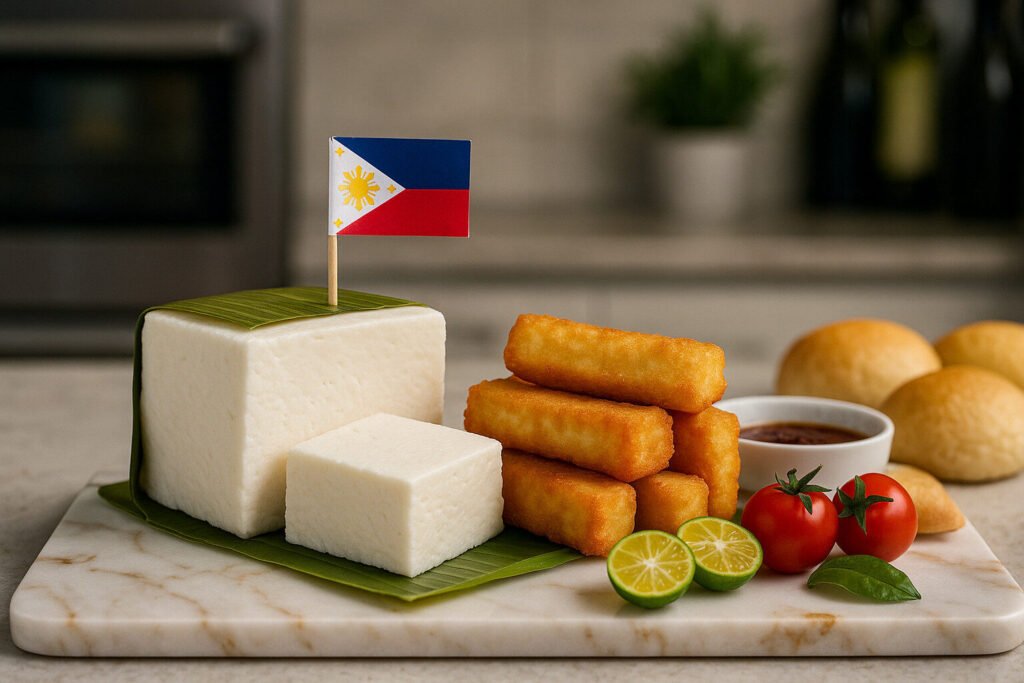
Quesong Iloko typically presents as small, round discs weighing between 100 and 200 grams each. Its pure white color and slightly glossy surface hint at its high moisture content. The cheese feels soft and crumbly to the touch, easily breaking apart without a firm rind.
This cheese boasts a tender consistency that melts smoothly when heated. It contains about 45% fat in dry matter, contributing to its rich mouthfeel. Fresh Quesong Iloko has a humidity level around 60%, ensuring it stays succulent and spreadable.
Cheese Varieties of Quesong Iloko
Traditional Quesong Iloko remains largely unchanged, but some artisans produce herbed versions with local spices like pepper or garlic. These variants maintain the base cheese’s soft texture while adding subtle flavor layers. They are often sold in markets as specialty items for festive occasions.
Another variety includes Quesong Iloko made with partial cow’s milk blends in areas where carabao milk is scarce. This adaptation slightly alters the flavor profile, making it milder. However, purists prefer the original carabao milk version for its authentic taste and cultural significance.
History and Traditions of Quesong Iloko
Quesong Iloko originated in the Ilocos region during the Spanish colonial era as a practical method to preserve carabao milk. Local families developed the cheese to complement staple foods like rice and root crops. It became a symbol of Ilocano resourcefulness and culinary pride.
The Ilocos region is also famous for dishes like bagnet and empanada, which often feature Quesong Iloko as a key ingredient. Festivals such as the Kannawidan Ylocos Festival celebrate this cheese through cooking competitions and tastings. Elders pass down cheese-making techniques, ensuring the tradition thrives in modern times.
Production Process and Producers
Producers source fresh carabao milk from local farms in Ilocos Norte and Ilocos Sur. The milk is gently heated to about 30°C before adding natural coagulants like vinegar or rennet. Curds form within hours and are hand-drained in cloth bags to achieve the desired moisture level.
After draining, the curds are molded into rounds and lightly salted, with no aging process. Main producers include Ilocos Dairy Cooperative, Heritage Artisans Group, and Norte Cheese Makers. These entities uphold traditional methods, often involving family-run operations that prioritize quality over volume.
Quality Labels and Certifications
As to our current knowledge, Quesong Iloko does not hold protected designations like PDO or PGI. However, it is recognized under Philippine traditional food initiatives that promote local heritage products. Some producers may seek organic certifications if they adhere to chemical-free farming practices for carabao feed.
Informal artisanal labels are common, emphasizing handcrafted techniques and small-batch production. While no national quality seal specifically covers Quesong Iloko, efforts are underway to document its geographical indication. Consumers often rely on producer reputation to ensure authenticity and quality.
Wine or Beverage Pairings
Local Filipino beverages like lambanog, a coconut palm wine, pair excellently with Quesong Iloko. The clean, slightly sweet notes of lambanog contrast the cheese’s mild saltiness. Light Philippine beers such as San Miguel Pale Pilsen also complement its freshness without overpowering it.
Internationally, crisp white wines like Sauvignon Blanc or unoaked Chardonnay enhance Quesong Iloko’s delicate profile. Non-alcoholic options include calamansi juice or fresh buko water for a tropical twist. Sparkling water with a lime wedge can cleanse the palate between bites of the cheese.
Suitable Fruit and Vegetables
Fresh tropical fruits like mangoes and pineapples bring out the sweetness in Quesong Iloko. Their juicy texture contrasts the cheese’s crumbliness, creating a balanced bite. Ripe bananas or papayas also work well, adding natural sugars that highlight the dairy’s mildness.
Vegetables such as cherry tomatoes and cucumber slices provide a refreshing crunch alongside Quesong Iloko. Lightly grilled eggplant or zucchini can be topped with the cheese for a warm appetizer. Leafy greens like arugula add a peppery note that complements the cheese’s simplicity.
Suitable Meat and Fish dishes
Quesong Iloko melts beautifully over grilled chicken or pork dishes, adding creaminess. It is commonly stuffed into empanadas or used as a topping for bagnet, a crispy pork belly. The cheese’s mild flavor allows the meat’s richness to shine through without competition.
For fish, Quesong Iloko pairs well with grilled tilapia or bangus, where it can be crumbled as a garnish. It also works in seafood stews, gently melting into the broth for added depth. Smoked fish varieties like tinapa benefit from the cheese’s fresh contrast, balancing smoky notes.
Presentation of Quesong Iloko
Serve Quesong Iloko at room temperature to maximize its flavor and texture. Remove it from refrigeration at least 30 minutes before serving to allow it to warm gently. Present it on a wooden board or ceramic platter to emphasize its artisanal origins.
Arrange the cheese whole or sliced, accompanied by fruits, nuts, or bread. Use a soft cheese knife for cutting to prevent crumbling. For eating, provide small plates and forks, though many enjoy it with fingers for a casual experience.
Questions and Answers about Quesong Iloko
What is Quesong Iloko?
Quesong Iloko is a traditional Filipino cheese made from carabao milk in the Ilocos region. It features a soft, crumbly texture and a mild, slightly salty taste. Quesong Iloko is often consumed fresh and used in various local dishes.
How is Quesong Iloko produced?
Quesong Iloko is produced by curdling fresh carabao milk with natural acids or rennet. The curds are drained and molded into small rounds without aging. Quesong Iloko relies on simple, traditional methods to preserve its fresh character.
Where can I buy Quesong Iloko?
You can buy Quesong Iloko in local markets across the Ilocos region or from specialty Filipino stores. Online retailers may also offer Quesong Iloko for delivery. Always check for freshness when purchasing Quesong Iloko.
How should I store Quesong Iloko?
Store Quesong Iloko in the refrigerator at 4°C to maintain its quality. Keep it wrapped in wax paper or an airtight container to prevent drying. Quesong Iloko is best consumed within 3-5 days for optimal freshness.
What is the shelf life of Quesong Iloko?
The shelf life of Quesong Iloko is short, typically 3-5 days when refrigerated. Quesong Iloko does not contain preservatives, so it should be eaten promptly. Freezing Quesong Iloko is not recommended as it alters the texture.
Can Quesong Iloko be used in cooking?
Yes, Quesong Iloko can be used in cooking for dishes like pastries, salads, and melts. It adds creaminess without overpowering other ingredients. Quesong Iloko is versatile and enhances both traditional and modern recipes.
What are the nutritional benefits of Quesong Iloko?
Quesong Iloko provides protein, calcium, and healthy fats from carabao milk. It is a good source of energy for active individuals. Quesong Iloko contains essential nutrients that support bone health and muscle function.
Is Quesong Iloko similar to other cheeses?
Quesong Iloko is similar to fresh cheeses like ricotta or queso fresco in texture. However, Quesong Iloko has a distinct flavor due to carabao milk. Its cultural background sets Quesong Iloko apart from international varieties.
How do I serve Quesong Iloko?
Serve Quesong Iloko at room temperature with bread, fruits, or as part of a cheese board. Quesong Iloko can be crumbled over salads or melted into hot dishes. Presenting Quesong Iloko simply allows its natural qualities to shine.
What makes Quesong Iloko unique?
Quesong Iloko is unique for its use of carabao milk and its role in Ilocano cuisine. The cheese reflects the region’s agricultural heritage and resourcefulness. Quesong Iloko offers a taste of Filipino tradition that is hard to replicate.
Recipe Ideas
Quesong Iloko Ensaymada
This recipe transforms Quesong Iloko into a sweet and savory pastry popular in Filipino bakeries. The cheese adds a creamy filling that contrasts with the soft, buttery bread. Ensaymada is often enjoyed as a merienda or snack with coffee or tea.
Using Quesong Iloko ensures an authentic flavor that pairs well with the slight sweetness of the dough. The cheese melts gently during baking, creating a moist interior. This dish showcases the versatility of Quesong Iloko in both traditional and innovative ways.
Ingredients
- 200 grams Quesong Iloko, crumbled
- 500 grams all-purpose flour
- 100 grams sugar
- 2 large eggs
- 150 milliliters warm milk
- 7 grams active dry yeast
- 100 grams butter, softened
- 1 teaspoon salt
- Extra butter and sugar for topping
Method
- Dissolve yeast in warm milk and let it sit for 5 minutes until frothy.
- Mix flour, sugar, and salt in a large bowl, then add eggs and yeast mixture.
- Knead the dough for 10 minutes until smooth, then incorporate softened butter.
- Let the dough rise in a warm place for 1 hour or until doubled in size.
- Divide dough into portions, flatten each, and place crumbled Quesong Iloko in the center.
- Roll up the dough, shape into spirals, and place on a baking tray.
- Proof for another 30 minutes, then bake at 180°C for 20-25 minutes until golden.
- Brush with butter and sprinkle sugar while warm before serving.
Quesong Iloko and Mango Salad
This refreshing salad highlights the tropical pairing of Quesong Iloko and ripe mangoes. The cheese’s saltiness balances the fruit’s sweetness for a light yet satisfying dish. It is perfect as a starter or side for grilled meats and seafood.
Quesong Iloko crumbles easily over the salad, adding protein and creaminess. The combination is popular in summer gatherings for its vibrant colors and flavors. This recipe demonstrates how Quesong Iloko can elevate simple ingredients into a gourmet experience.
Ingredients
- 150 grams Quesong Iloko, crumbled
- 2 ripe mangoes, peeled and diced
- 100 grams mixed greens (e.g., arugula, lettuce)
- 1 small red onion, thinly sliced
- 50 grams toasted peanuts
- 2 tablespoons calamansi juice
- 1 tablespoon fish sauce
- 1 tablespoon honey
- 2 tablespoons olive oil
Method
- Whisk together calamansi juice, fish sauce, honey, and olive oil for the dressing.
- In a large bowl, combine mixed greens, diced mangoes, and sliced red onion.
- Drizzle the dressing over the salad and toss gently to coat.
- Top with crumbled Quesong Iloko and toasted peanuts just before serving.
- Serve immediately to maintain the crispness of the greens and cheese.
Similar Cheeses and Alternatives
Quesong Iloko shares similarities with other fresh, white cheeses like kesong puti from the Philippines. Both are made from carabao milk and feature a soft, spreadable texture ideal for quick consumption. However, kesong puti is often saltier and may include variations in shaping and size.
Internationally, Italian ricotta or Mexican queso fresco can serve as substitutes for Quesong Iloko in recipes. These cheeses offer comparable mildness and melting properties, though they use cow’s or goat’s milk. For an authentic experience, seeking out Filipino specialty stores is recommended to find Quesong Iloko or its closest relatives.