
In this article
St. Tola Distinctive Features
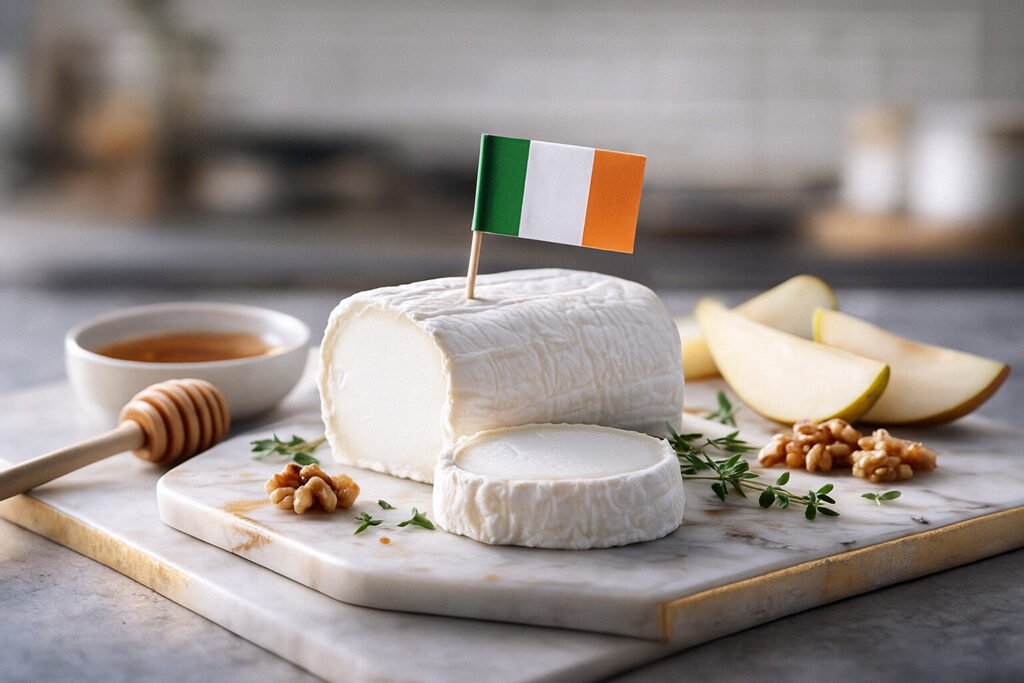
St. Tola cheese typically comes in log shapes weighing around 200 grams. Its rind is natural and develops a delicate white or light grey mould. The paste is soft and moist with a humidity level of about 50 percent.
The texture of St. Tola cheese is smooth and spreadable when young. It firms up slightly with age but remains creamy. Its color ranges from bright white to pale ivory depending on the aging period.
St. Tola Cheese Varieties
St. Tola cheese includes a fresh variety aged for just one week. This version is mild and moist with a clean lactic flavor. It is perfect for immediate consumption or use in salads.
The mature St. Tola cheese ages for several weeks to develop complexity. It gains a firmer texture and a more pronounced tangy note. Some producers also offer a ash-coated variant for added earthy tones.
St. Tola History and Traditions
St. Tola cheese originated in the Burren region of County Clare in the 1970s. It was developed to revive traditional Irish goat farming and cheese-making. The area is famous for its limestone landscapes and rich agricultural heritage.
County Clare is also renowned for its seafood and Irish whiskey production. St. Tola cheese became a symbol of local pride and sustainable farming. It is often featured in Irish food festivals and farm tours.
Production Process and Producers
St. Tola cheese uses pasteurized milk from a herd of Saanen and Toggenburg goats. The milk is heated to 30 degrees Celsius before adding vegetarian rennet. Curds are hand-ladled into molds and drained for 24 hours.
The cheese is then dry-salted and aged in humidity-controlled rooms for one to eight weeks. Main producers include St. Tola Irish Goat Cheese in Inagh, County Clare. This farm follows artisanal methods to ensure consistent quality.
Quality Labels and Certifications
As to our current knowledge, St. Tola cheese holds an Organic certification from the Irish Organic Association. This label guarantees that the goats are raised on organic feed without synthetic pesticides. It also ensures sustainable farming practices throughout production.
Additionally, St. Tola may feature the Origin Green sustainability label. This Irish program promotes environmental stewardship and traceability. These certifications help consumers identify high-quality, ethically produced cheeses.
Wine or Beverage Pairings
St. Tola cheese pairs excellently with Irish craft beers like a dry stout. The beer’s roasted notes complement the cheese’s creamy tang. Local Irish cider also enhances its fresh, lactic flavors.
For wine lovers, a crisp Sauvignon Blanc from the Loire Valley works well. Its acidity cuts through the richness of St. Tola. Alternatively, a light Pinot Noir offers a fruity contrast without overpowering the cheese.
Suitable Fruit and Vegetables
Fresh apples and pears are ideal companions for St. Tola cheese. Their crisp sweetness balances the cheese’s tangy profile. Serve them sliced alongside for a refreshing contrast.
Roasted beetroot and caramelized onions also pair beautifully. Their earthy flavors enhance the cheese’s creamy texture. Add some walnuts for a crunchy element that complements the dish.
Suitable Meat and Fish dishes
St. Tola cheese works wonderfully in salads with grilled chicken. Crumble the cheese over the top for a creamy finish. It adds a tangy depth to the savory meat.
For fish dishes, try St. Tola with smoked salmon on rye bread. The cheese’s creaminess pairs well with the fish’s smoky notes. It can also be melted into a sauce for baked white fish.
St. Tola Presentation
Remove St. Tola cheese from the refrigerator one hour before serving. This allows it to reach the ideal temperature of 18 to 20 degrees Celsius. Serve it on a wooden or slate cheese board for an rustic appeal.
Arrange the cheese whole or sliced with a cheese wire for clean cuts. Use a small knife for spreading and a fork for serving. Place it alongside accompaniments like crackers and fruits for a balanced presentation.
St. Tola Questions and Answers
What is St. Tola cheese?
St. Tola cheese is a Irish goat’s cheese made in County Clare. It has a creamy texture and a tangy flavor. St. Tola cheese is known for its artisanal production methods.
How should I store St. Tola cheese?
Store St. Tola cheese in the refrigerator at 4 degrees Celsius. Keep it wrapped in wax paper to maintain humidity. St. Tola cheese should be consumed within two weeks of purchase.
Can I freeze St. Tola cheese?
Freezing St. Tola cheese is not recommended as it alters the texture. St. Tola cheese is best enjoyed fresh. Thawing may cause it to become crumbly and lose flavor.
Where can I buy St. Tola cheese?
You can buy St. Tola cheese at specialty cheese shops in Ireland. It is also available online through artisanal food retailers. St. Tola cheese may be found in some international gourmet stores.
How do I cut St. Tola cheese?
Use a cheese wire to slice St. Tola cheese cleanly. Cut it into even portions to preserve its shape. St. Tola cheese can also be spread with a knife if soft.
What is the fat content of St. Tola cheese?
St. Tola cheese has a fat in dry matter of about 45 percent. This contributes to its rich and creamy mouthfeel. The actual fat content varies slightly with aging.
Is St. Tola cheese suitable for vegetarians?
St. Tola cheese uses vegetarian rennet in its production. It is suitable for vegetarians who consume dairy. Always check the label for the most current information on St. Tola cheese.
How long does St. Tola cheese age?
St. Tola cheese ages from one week for fresh versions to eight weeks for mature ones. The aging process develops its flavor and texture. St. Tola cheese is monitored carefully during this period.
Can I cook with St. Tola cheese?
Yes, St. Tola cheese melts well in cooked dishes. It adds creaminess to sauces and gratins. St. Tola cheese should be added towards the end of cooking to prevent separation.
What makes St. Tola cheese unique?
St. Tola cheese is unique due to its Irish origin and goat’s milk base. It combines traditional methods with modern quality controls. St. Tola cheese stands out for its consistent quality and flavor profile.
Recipe Ideas
St. Tola and Apple Salad
This salad highlights the creamy texture of St. Tola cheese with crisp apples. It makes a refreshing starter or light lunch. The combination is popular in Irish gastronomy for its balance of flavors.
Use fresh St. Tola cheese for the best results. The cheese should be crumbled gently to maintain its structure. Serve the salad immediately to prevent wilting.
- 100 grams St. Tola cheese, crumbled
- 2 crisp apples, thinly sliced
- 50 grams mixed salad greens
- 30 milliliters olive oil
- 15 milliliters apple cider vinegar
- Salt and pepper to taste
- Wash and dry the salad greens thoroughly.
- Slice the apples into thin wedges.
- In a bowl, whisk olive oil, vinegar, salt, and pepper.
- Toss the greens and apples with the dressing.
- Sprinkle crumbled St. Tola cheese on top.
- Serve immediately on chilled plates.
Baked St. Tola with Herbs
This baked dish showcases the melting qualities of St. Tola cheese. It is perfect as a warm appetizer or side dish. The herbs enhance the cheese’s natural tanginess.
Choose mature St. Tola cheese for a stronger flavor. Baking it briefly ensures it stays creamy. This recipe is easy to prepare for gatherings.
- 200 grams St. Tola cheese, sliced
- 2 cloves garlic, minced
- 10 grams fresh thyme
- 10 grams fresh rosemary
- 30 milliliters olive oil
- Crusty bread for serving
- Preheat the oven to 180 degrees Celsius.
- Place St. Tola cheese slices in a small baking dish.
- Drizzle with olive oil and sprinkle minced garlic and herbs.
- Bake for 10 minutes until cheese is soft and bubbly.
- Serve hot with slices of crusty bread.
Similar Cheeses and Alternatives
St. Tola cheese shares similarities with other Irish goat cheeses like Ardsallagh. Both offer creamy textures and are made with pasteurized milk. However, St. Tola has a distinct tangier profile due to its specific aging process.
For international alternatives, French Chèvre is a close match. It also uses goat’s milk and has a soft, spreadable consistency. Spanish Garrotxa provides a firmer texture but similar earthy notes. These cheeses can be substituted in recipes calling for St. Tola.